

Traveling With Baby: Easy Meal Ideas on the Go
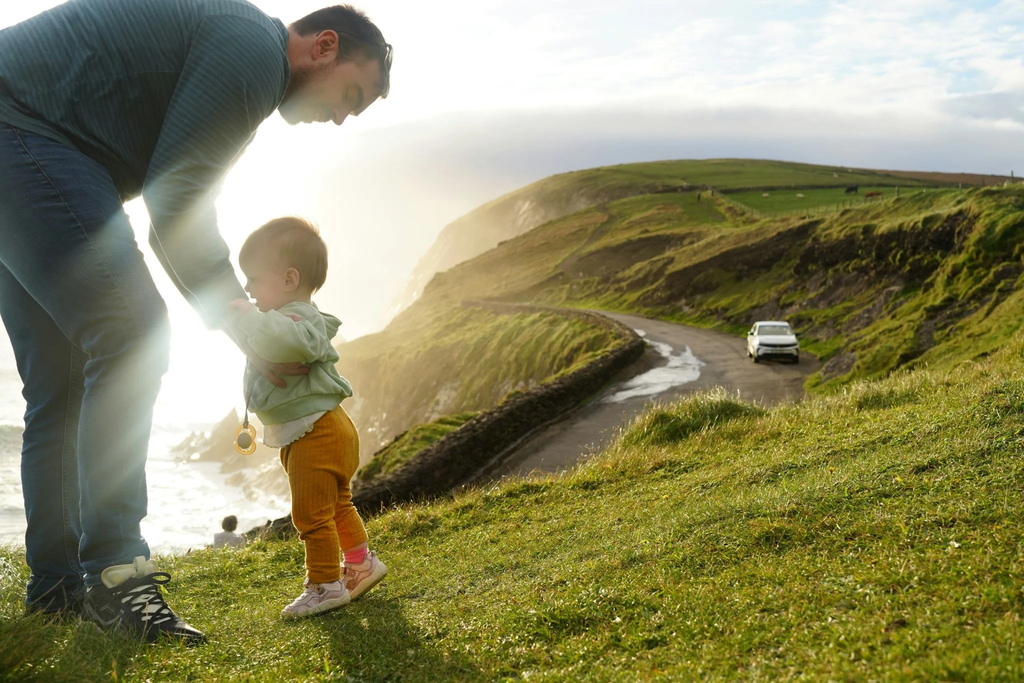
Packing for a trip with a baby often feels like preparing for a small expedition. Between diapers, clothes, toys, and sleep essentials, food can become an afterthought until you’re stranded at an airport gate with a hungry infant and nothing to offer. A little planning around meals makes travel smoother for everyone, and it doesn’t require complicated preparation or hauling a portable kitchen through security.
Table of contents
Why Feeding on the Road Feels Tricky
Travel disrupts routines, and babies notice. Unfamiliar surroundings, different time zones, and irregular schedules can throw off eating patterns. Add in limited access to refrigeration, restrictions on what you can bring through airport security, and the challenge of finding suitable food options at rest stops or tourist destinations, and mealtime becomes a puzzle.
The good news is that feeding a baby while traveling has become more manageable than it was a generation ago. Portable options abound, and with some forethought, parents can keep their little ones fed and content whether they’re crossing the country by car or flying overseas.
Packing Smart: What to Bring
The key to stress-free travel feeding is bringing items that are portable, don’t require refrigeration, and won’t create a mess in your bag. For younger babies who are just starting solids, baby food jars work well because they’re sealed, easy to portion, and simple to feed from directly. Pouches are another lightweight option, especially for older babies who can hold them independently.
Consider packing more than you think you’ll need. Delays happen, and having extra food on hand prevents the scramble of searching for suitable options in an unfamiliar place. A small cooler bag with an ice pack can extend your options if you want to bring items that need to stay cold, like cheese sticks or yogurt for older babies.
Don’t forget feeding supplies. A few silicone bibs that fold flat, a couple of spoons, and a pack of wipes will handle most situations. Some parents find that bringing a portable high chair or fabric seat that straps to a regular chair makes restaurant meals more manageable.
Items Worth Keeping in Your Bag
A running list of travel-friendly foods for babies might include:
- Single-serve purees in jars or pouches
- Soft crackers designed for little ones
- Banana or avocado (both travel reasonably well)
- Small containers of dry cereal
- Squeeze pouches of applesauce
- Shelf-stable cheese bites for older babies
Flying With Baby Food
Air travel comes with its own set of rules around food and liquids, but parents generally have more flexibility than regular travelers. Formula, breast milk, and baby food are typically exempt from the standard liquid restrictions. You can bring reasonable quantities in your carry-on, though security officers may need to inspect them separately.
Packing baby food in a clear, accessible bag speeds up the screening process. Keep jars and pouches together so you can easily pull them out if asked. Most airport security staff are familiar with traveling parents and handle these checks quickly.
Road Trip Strategies
Long car rides offer more flexibility than flying since you control the stops. Planning your route with meal breaks in mind lets you pull over at parks or rest areas where your baby can eat without being strapped into a car seat. A picnic blanket in the trunk turns any grassy spot into a dining area.
For the car itself, keeping food accessible prevents the need to unpack everything at each stop. A small bag within arm’s reach of whoever isn’t driving means snacks are ready when hunger strikes. Silicone bibs with a catch pocket are especially useful in the car since they contain crumbs and spills reasonably well.
If your baby is eating finger foods, soft options that won’t pose a choking hazard during bumpy stretches are safest. Puffs, soft-cooked vegetables, and small pieces of ripe fruit work well. Save anything that requires close attention for when the car is parked.
Making Meals Work at Your Destination
Once you arrive, scope out your food options early. If you’re staying somewhere with a kitchen or kitchenette, a quick grocery run on the first day stocks you with basics. Even a mini fridge opens up possibilities like yogurt, cheese, and fresh fruit.
Hotels without kitchens are more limiting, but many restaurants will accommodate requests like steamed vegetables or plain rice. Calling ahead or checking menus online helps identify places likely to have suitable options. In many countries, markets and grocery stores offer prepared foods that work well for babies, from soft breads to ripe fruits.
When eating out, timing matters. Hitting restaurants early, before the dinner rush, often means better service and a more relaxed atmosphere. A well-fed baby who isn’t overtired tends to handle restaurant environments more easily than one who’s been pushed past their limits.
Handling Time Zone Changes
Crossing time zones throws off everyone’s internal clock, and babies are no exception. Hunger cues may come at odd hours as their bodies adjust. Keeping portable snacks on hand during the transition period means you can respond to hunger whenever it appears, even at 3 a.m.
Gradually shifting meal times toward the new schedule helps, though some parents find it easier to simply follow their baby’s lead for the first few days and let the adjustment happen naturally.
When Plans Fall Apart
Even the best preparation can’t prevent every hiccup. Bags get lost, flights get canceled, and that restaurant you researched turns out to be closed for renovation. Building flexibility into your approach helps manage the unexpected.
Having a few shelf-stable options tucked into different bags provides backup if your main food supply becomes inaccessible. Knowing that most grocery stores, pharmacies, and even convenience stores carry some form of baby food offers reassurance that you can find something workable almost anywhere.
Traveling with a baby takes extra effort, but it doesn’t have to mean sacrificing good meals. With a bit of planning and the willingness to adapt, feeding your little one on the go becomes just another part of the adventure.
Remember, never travel without travel insurance! And never overpay for travel insurance!
I use HeyMondo. You get INSTANT quotes. Super cheap, they actually pay out, AND they cover almost everywhere, where most insurance companies don't (even places like Central African Republic etc!). You can sign-up here. PS You even get 5% off if you use MY LINK! You can even sign up if you're already overseas and traveling, pretty cool.
Also, if you want to start a blog...I CAN HELP YOU!
Also, if you want to start a blog, and start to change your life, I'd love to help you! Email me on johnny@onestep4ward.com. In the meantime, check out my super easy blog post on how to start a travel blog in under 30 minutes, here! And if you just want to get cracking, use BlueHost at a discount, through me.
Also, (if you're like me, and awful with tech-stuff) email me and my team can get a blog up and running for you, designed and everything, for $699 - email johnny@onestep4ward.com to get started.
Do you work remotely? Are you a digital nomad/blogger etc? You need to be insured too.
I use SafetyWing for my digital nomad insurance. It covers me while I live overseas. It's just $10 a week, and it's amazing! No upfront fees, you just pay week by week, and you can sign up just for a week if you want, then switch it off and on whenever. You can read my review here, and you can sign-up here!

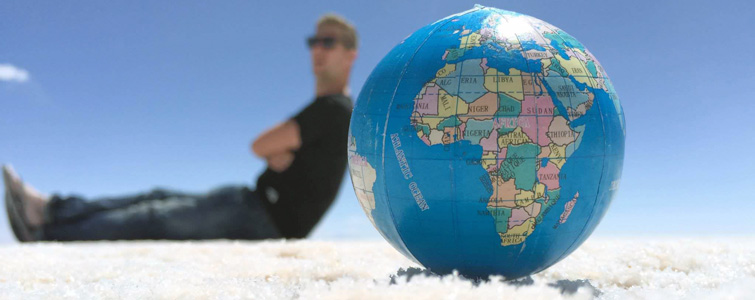


 As you know, blogging changed my life. I left Ireland broke, with no plan, with just a one-way ticket to Thailand
and no money. Since then, I started a blog, then a digital media company, I've made
more than $1,500,000 USD, bought 4 properties and visited (almost) every country in the world. And I did it all from my laptop as I
travel the world and live my dream. I talk about how I did it, and how you can do it too, in my COMPLETELY FREE
Ebook, all 20,000
words or so. Just finish the process by putting in your email below and I'll mail it right out to you immediately. No spam ever too, I promise!
As you know, blogging changed my life. I left Ireland broke, with no plan, with just a one-way ticket to Thailand
and no money. Since then, I started a blog, then a digital media company, I've made
more than $1,500,000 USD, bought 4 properties and visited (almost) every country in the world. And I did it all from my laptop as I
travel the world and live my dream. I talk about how I did it, and how you can do it too, in my COMPLETELY FREE
Ebook, all 20,000
words or so. Just finish the process by putting in your email below and I'll mail it right out to you immediately. No spam ever too, I promise!