


How to Prep Your Car for Cross-Country Trips
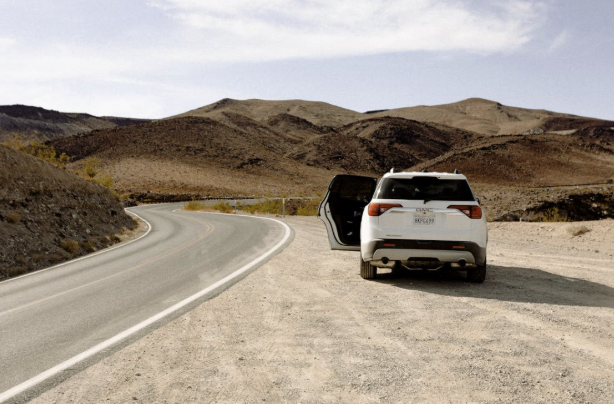
A cross-country drive offers something a flight cannot: the flexibility to stop wherever the view is worth stopping for. However, covering thousands of miles in a single trip puts demands on a vehicle that short commutes never will. Heat, elevation changes, long hours at highway speeds, and heavy cargo loads all wear on components that might otherwise hold up fine under daily use.
Modern vehicles also rely on electronic control modules to manage everything from fuel delivery to transmission shifting, and as specialists at Car Computer Exchange point out, a failing module can leave a car stranded just as quickly as a mechanical breakdown.
A little preparation before departure can prevent the kind of breakdown that turns a vacation into a logistical headache. The sections below cover the mechanical inspections, emergency supplies, and driving habits that help keep a long trip on schedule.
Table of contents
Inspect the Essentials Before Departure
The components most likely to fail under sustained stress should be given priority. A short drive to the grocery store will not reveal a slow coolant leak or a battery nearing the end of its life, but a 600-mile day will.
- Tires: Tread depth, bulges, and uneven wear are common issues, and pressure should match the manufacturer’s recommendation. The spare deserves inspection as well, since it often sits untouched for months or even years.
- Fluids: Check and top up all key vehicle fluids, including engine oil, coolant, brake fluid, power steering fluid, and windshield washer fluid. An oil change due in the near future is better handled before departure than on the road.
- Battery: Corrosion on the terminals is a warning sign, and batteries older than 3 years should be charged and tested.
- Belts and hoses: Cracks, fraying, or soft spots indicate something close to failing. Replacing a serpentine belt at home costs far less than a tow in an unfamiliar town.
- Lights and wipers: Headlights, brake lights, turn signals, and wiper blades all need to function before night driving or sudden storms make problems obvious.
Most independent shops offer a pre-trip inspection that covers these items in a single appointment, which is a reasonable option for drivers who prefer a second set of eyes on the vehicle.
Pack the Right Emergency Supplies
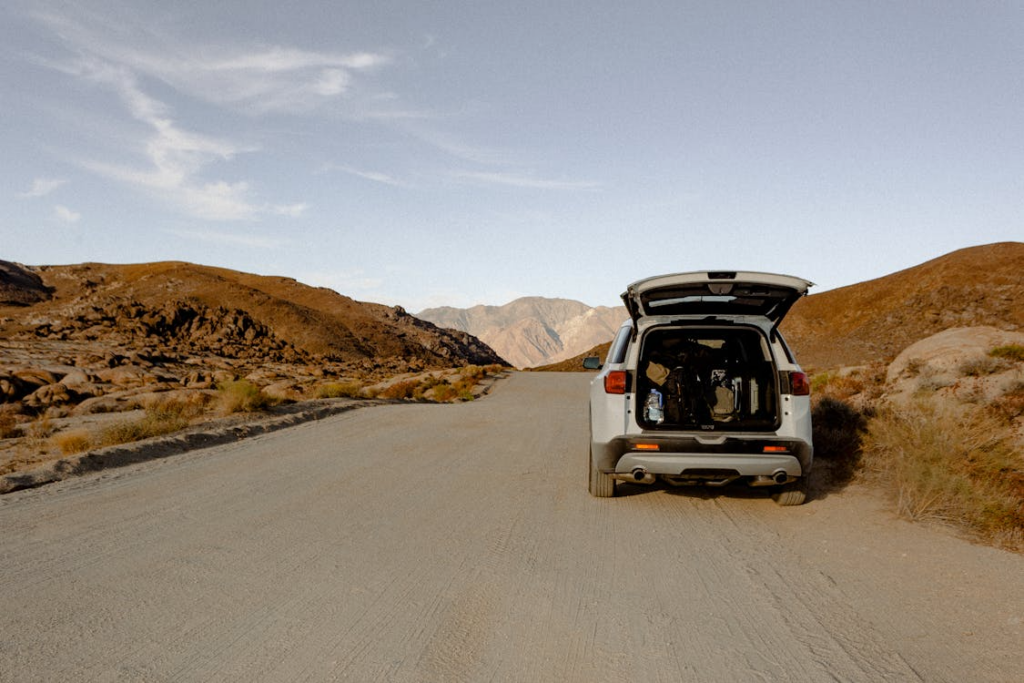
Even a well-maintained car can have an off day. A small kit stored in the trunk covers most situations likely to come up between cities.
- Jumper cables or a portable jump starter
- A flashlight with fresh batteries
- A basic tool set with pliers, screwdrivers, and an adjustable wrench
- Carry a tire pressure gauge and a plug kit so you are prepared for minor tire punctures.
- Reflective triangles or road flares
- A first aid kit and a few days’ worth of bottled water
- Non-perishable snacks and a spare phone charger
Keeping these items in a single bag or bin avoids the problem of digging through luggage when something goes wrong.
Organize the Cabin for Comfort and Visibility
A cluttered interior makes long drives harder than they need to be. A clean windshield inside and out, vacuumed floors, and a clear dashboard all contribute to easier driving conditions. Maps, snacks, sunglasses, and phone chargers belong within reach of the driver. A small trash bag tucked behind a front seat prevents wrappers and receipts from piling up on the floorboards.
Roof cargo should be secured with proper straps and covered to reduce drag. Roof boxes and loose luggage both hurt fuel economy, so packing inside the cabin is the better option when space allows.
Adjust Driving Habits for the Long Haul
Driving style matters as much as the car’s condition. A few habits reduce fatigue and keep the trip predictable.
- Pacing: Realistic daily mileage depends on how long a driver can comfortably stay behind the wheel, and eight to ten hours is a common limit.
- Regular breaks: A stop every two to three hours for stretching, refueling, or switching drivers helps prevent drowsiness that builds up on straight stretches of highway.
- Steady speed: A consistent pace near the limit is easier on fuel and engine temperatures than frequent acceleration.
- Early refueling: Filling up at the halfway mark matters most in rural areas where gas stations are spaced far apart.
Start the Trip with Confidence
Cross-country driving rewards preparation. A thorough inspection, a stocked emergency kit, a clean cabin, and sensible pacing cover the factors most likely to affect the drive. Handling them before departure shifts the trip’s focus to the route ahead rather than the problems behind.
Remember, never travel without travel insurance! And never overpay for travel insurance!
I use HeyMondo. You get INSTANT quotes. Super cheap, they actually pay out, AND they cover almost everywhere, where most insurance companies don't (even places like Central African Republic etc!). You can sign-up here. PS You even get 5% off if you use MY LINK! You can even sign up if you're already overseas and traveling, pretty cool.
Also, if you want to start a blog...I CAN HELP YOU!
Also, if you want to start a blog, and start to change your life, I'd love to help you! Email me on johnny@onestep4ward.com. In the meantime, check out my super easy blog post on how to start a travel blog in under 30 minutes, here! And if you just want to get cracking, use BlueHost at a discount, through me.
Also, (if you're like me, and awful with tech-stuff) email me and my team can get a blog up and running for you, designed and everything, for $699 - email johnny@onestep4ward.com to get started.
Do you work remotely? Are you a digital nomad/blogger etc? You need to be insured too.
I use SafetyWing for my digital nomad insurance. It covers me while I live overseas. It's just $10 a week, and it's amazing! No upfront fees, you just pay week by week, and you can sign up just for a week if you want, then switch it off and on whenever. You can read my review here, and you can sign-up here!









 As you know, blogging changed my life. I left Ireland broke, with no plan, with just a one-way ticket to Thailand
and no money. Since then, I started a blog, then a digital media company, I've made
more than $1,500,000 USD, bought 4 properties and visited (almost) every country in the world. And I did it all from my laptop as I
travel the world and live my dream. I talk about how I did it, and how you can do it too, in my COMPLETELY FREE
Ebook, all 20,000
words or so. Just finish the process by putting in your email below and I'll mail it right out to you immediately. No spam ever too, I promise!
As you know, blogging changed my life. I left Ireland broke, with no plan, with just a one-way ticket to Thailand
and no money. Since then, I started a blog, then a digital media company, I've made
more than $1,500,000 USD, bought 4 properties and visited (almost) every country in the world. And I did it all from my laptop as I
travel the world and live my dream. I talk about how I did it, and how you can do it too, in my COMPLETELY FREE
Ebook, all 20,000
words or so. Just finish the process by putting in your email below and I'll mail it right out to you immediately. No spam ever too, I promise!