


How Travelers Plan a Walking Tour Trip in Portugal
Portugal has quietly become one of the most-booked walking-tour destinations in Europe over the past decade. The combination of a temperate year-round climate, an established trail network from the Algarve coast through the Alentejo into the Douro Valley, and a tour-operator category that has matured around the international walker has produced something genuinely worth planning a trip around. The traveler who already loves Lisbon, Sintra, and the Algarve as classic sightseeing destinations is often a season or two away from the next step: a multi-day walking trip that uses the same regions as the spine of a deeper experience.
Table of contents
- How Travelers Plan a Walking Tour Trip in Portugal
- Why Does a Portugal Walking Tour Look Different From a Standard Guided Tour?
- What Are the Main Walking-Tour Regions in Portugal?
- How Should Travelers Book a Portugal Walking Tour?
- What Should Travelers Look For in a Portugal Walking-Tour Operator?
- Common Mistakes Travelers Make Around Portugal Walking Tours
- Frequently Asked Questions From Portugal Walking-Tour Travelers
- A Final Note for Travelers Planning a Portugal Walking Tour
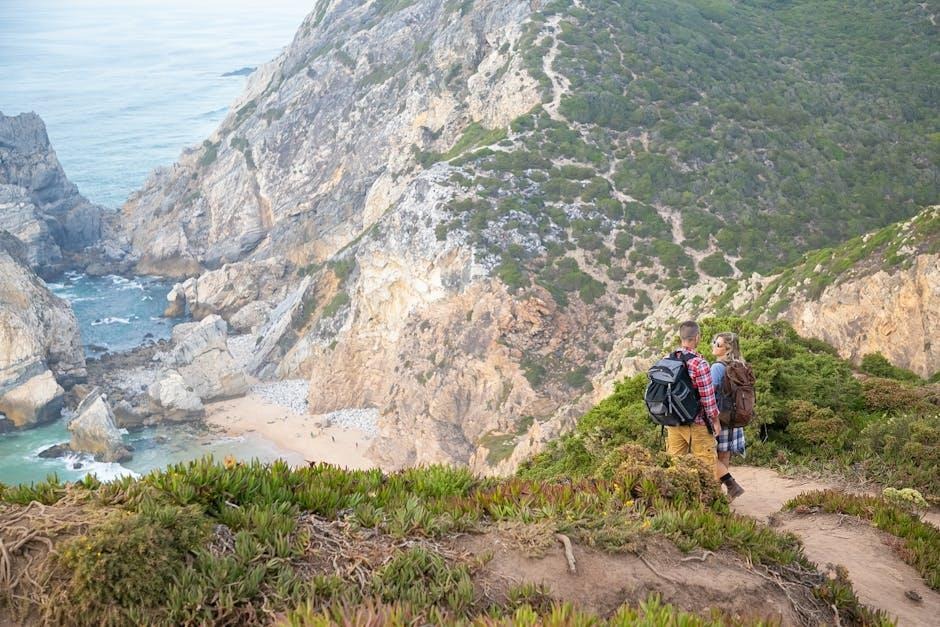
Alt text: A hiker walking along a coastal trail with cliffs in Portugal
Travelers approaching that next step benefit from a clearer view of how Portugal walking tours actually work in practice, how to pick an operator, and what the planning timeline looks like. The itineraries offered by specialised operators like Top Walking Tours in Portugal have standardised on a recognisable set of route designs, pricing patterns, and booking practices that are different enough from the standard guided-tour category to be worth understanding before booking.
Why Does a Portugal Walking Tour Look Different From a Standard Guided Tour?
The first thing to understand is that a walking tour in Portugal sits in a specific category between independent hiking and coach-based guided tourism. The tour-operator carries the navigation, the accommodation booking, the luggage transfer, and the optional guide presence, but the actual walking is on the traveler’s own legs at the traveler’s own pace. The pace and the daily distance are the part of the trip that makes the most difference to the experience.
Operators serving the Portugal walking category typically design tours within a recognisable shape: a 6 to 12 day itinerary with daily walking distances of 12 to 25 kilometres, accommodation booked ahead at small hotels or quintas (Portuguese country estates), luggage transferred between accommodations so the walker carries only a day pack, breakfast and most dinners included in the headline price, and a route that follows established trails (the Rota Vicentina, the Camino Português, the Algarve Way, or one of the regional valleys) with detailed route notes and GPS files provided.
A definition useful here: a self-guided walking tour is a structured trip where the operator provides the route, accommodation, and luggage transfer but the walker covers the daily route alone or with companions, without a live guide. A guided walking tour is the same trip with a professional walking guide accompanying the group each day. Self-guided is the more popular choice in Portugal because the routes are well-marked and the walker has the flexibility to set their own pace.
Travelers already weighing the practical-planning side of an Iberian trip often start with the Spain travel insurance guide, since the same coverage framework applies almost identically to Portugal. The walking-tour layer then produces a different relationship with the country, one where the terrain, the food, and the regional accents have time to settle in rather than passing as a coach-window blur.
What Are the Main Walking-Tour Regions in Portugal?
Portugal’s walking-tour category clusters around four main regions, each with a distinctive profile.
- The Algarve coast (Rota Vicentina): the most-walked region in southern Portugal, with the Fishermen’s Trail running along the dramatic Atlantic cliffs from Porto Covo to Lagos and the Historical Way moving inland through cork oak forests and small villages. The Algarve walking season is October through May (summer is too hot for most walkers).
- The Alentejo plains and hills: the underwalked centre of the country, with rolling agricultural countryside, white-washed villages, and a slower pace than the coastal trails. The Alentejo is most rewarding in spring (March–May) when the wildflowers are at their peak and the heat is still manageable.
- The Douro Valley: the wine-region walking experience, with terraced vineyards, river-valley accommodation, and evening port-tasting routines that turn the walking into a food-and-wine trip as much as a hiking trip. April–June and September–October are the standard windows.
- The Camino Português: the Portuguese branch of the Santiago de Compostela pilgrimage, walking north from Lisbon (or more commonly Porto) into Galicia, Spain. The full Lisbon-to-Santiago run takes 5 to 6 weeks; the Porto-to-Santiago run takes 12 to 14 days and is what most international walkers actually book.
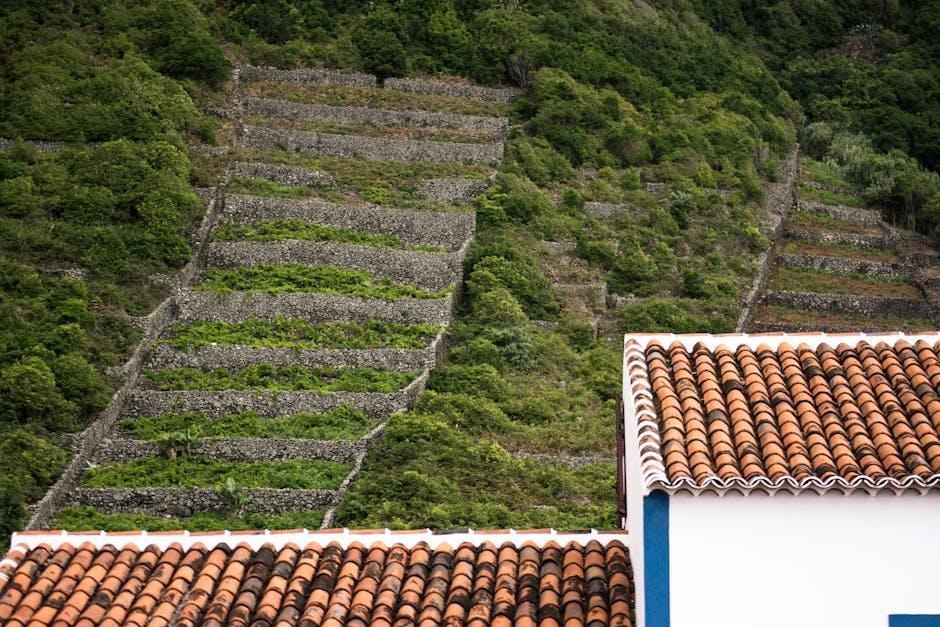
Alt text: A walking trail through the Portuguese countryside with vineyards
Madeira sits as a separate category, with its own trail-network profile (the levada irrigation channels) and a different fitness requirement because of the elevation. The same operator-and-planning approach applies, and the complete guide to hiking Madeira covers the levada-walking specifics in more depth than is possible here.
The U.S. State Department’s Portugal country information page covers the broader entry and emergency-contact framework that walking-tour travelers should know, and UNESCO’s World Heritage listing for the Alto Douro Wine Region covers the cultural context that makes the Douro Valley walking experience particularly worth the time.
How Should Travelers Book a Portugal Walking Tour?
The booking pattern that produces the best outcomes follows a recognisable timeline.
The first decision is the region and the season. A walker who wants the Algarve cliffs needs to book for autumn or spring; a walker who wants the Douro Valley needs to book for late spring or early autumn; a walker who wants the Camino Português has more flexibility but should still avoid the peak summer crowds.
The second decision is the operator. The category has matured to the point that most international walkers choose between four to six well-reviewed Portuguese operators rather than between dozens. The differences are real: route quality, accommodation standard, luggage-transfer reliability, and the support-line availability when something goes wrong on the trail.
The third decision is the itinerary length. A first-time walker often does best with a 6 to 8 day trip; an experienced walker can comfortably extend to 10 or 12 days. Longer than that often produces fatigue that takes the joy out of the last few days.
The booking timeline that works:
- 4 to 6 months ahead for the most-popular routes in peak season (Algarve in March–April, Douro in May–June)
- 2 to 3 months ahead for shoulder-season trips on the same routes
- 6 weeks ahead for less-popular routes or off-season windows
Booking inside a month of departure is sometimes possible but usually means accommodation compromises and a reduced choice of operator.
What Should Travelers Look For in a Portugal Walking-Tour Operator?
A short checklist for picking an operator before the trip is paid.
A documented route description with daily distances, elevation profiles, and photographs of representative sections. Operators who produce this in a clear PDF tend to also produce a clear trip on the ground.
Accommodation that is consistent across the trip. The walker who alternates between a four-star hotel one night and a hostel the next loses the rhythm of the trip; the better operators standardise on a single tier (small hotels, quintas, or guesthouses) so each evening feels predictable.
A documented luggage-transfer protocol with named pickup times and a phone number for the day-of-transfer contact. Lost luggage on a self-guided walking tour is the most common operator failure and the easiest to avoid by checking the protocol before booking.
A clear cancellation and weather-contingency policy. Portugal’s weather is generally cooperative, but the Atlantic coast can produce a windy or wet stretch that makes a particular day’s walk genuinely unpleasant. The operator’s policy on rest days, alternative routes, or refunds for weather-affected trips should be documented in writing.
Reviews from international walkers (US, UK, Australia, Germany) rather than only domestic Portuguese reviews. The international walker’s experience is a useful filter for the operator’s English-language support, currency-handling, and customer-service responsiveness.
A reasonable price range. A 7-day self-guided walking tour in Portugal in 2026 typically runs €750 to €1,400 per person inclusive of accommodation, breakfast, most dinners, luggage transfer, and route documentation. A premium operator with four-star accommodation and a fuller meal package runs €1,500 to €2,200. A price meaningfully below €750 usually signals corner-cutting on accommodation or route quality.
Common Mistakes Travelers Make Around Portugal Walking Tours
A short list of recurring mistakes that surface in operator post-trip surveys.
Underestimating the heat in summer. Portugal walking season for the southern routes really does end in mid-May. Walkers who book July or August trips on the Algarve or in the Alentejo often discover that the daytime temperatures (32–38 degrees Celsius) make the walking genuinely dangerous, not just uncomfortable.
Booking too short an itinerary for a long-haul flight. A traveler flying from North America or Australia who books only a 5-day walking tour spends as much of the trip in transit as on the trail. The 8 to 12 day window is what produces the trip-to-flight value ratio worth the journey.
Skipping the training. Portugal walking distances of 15 to 25 kilometres per day for 6 to 10 consecutive days are achievable for most reasonably fit adults, but only with some preparation. Walkers who arrive without having done a few practice walks of similar distance discover the limitations on day three rather than at home.
Choosing the wrong footwear. The single most common cause of trip-curtailing injury is blisters from inadequate footwear. Trail-running shoes or properly broken-in walking boots are the standard, and the day to discover this is not the day before the flight.
Mixing the walking trip with too many side trips. The walker who plans a Lisbon city break, then the walking tour, then a Porto city break, then a Douro day trip often arrives at each segment more tired than the last. The walking trip needs to be the centre of gravity for the visit, not one of four equal-weight segments.
Ignoring the food angle. Portugal’s regional cuisines (Algarve seafood, Alentejo pork, Douro game) are part of what makes the walking-tour evenings worth the previous day’s effort. Operators who include dinner at quality regional restaurants rather than generic hotel dining produce trips that walkers remember a year later.
Frequently Asked Questions From Portugal Walking-Tour Travelers
What level of fitness do I need for a Portugal walking tour?
Most operator itineraries assume a baseline of “comfortable walking 15 to 20 kilometres on rolling terrain over a single day.” A walker who already does occasional 10-kilometre weekend walks can usually train up to that standard with 6 to 8 weeks of preparation. Walkers with knee or hip issues should consider the Algarve coast or the Camino Português (flatter) before the Douro Valley or the Alentejo hills.
How should I handle laundry on a 7 to 10 day walking tour?
Most accommodation in Portugal walking-tour territory either offers laundry service for a small fee or has a guest washing area. The standard packing approach is three sets of walking clothes (one being worn, one drying, one clean), which keeps the day-pack light and the laundry burden manageable.
Can I do a Portugal walking tour with a non-walking partner?
Yes. The better operators offer hybrid arrangements where one partner walks each day’s route while the other takes a transfer to the next accommodation, with both meeting up at the evening hotel. The pricing usually reflects the hybrid structure cleanly.
What if I get injured mid-trip and cannot complete the route?
The standard operator protocol is a transfer to the next accommodation by taxi or operator-arranged car, with the missed day’s walking simply skipped. Travel insurance covers any injury-related medical costs. Most operators do not refund the missed day directly but allow flexible re-routing for the rest of the trip.
A Final Note for Travelers Planning a Portugal Walking Tour
Portugal is one of the cleaner European walking-tour destinations to organise from overseas, and the trip works best when the planning happens with enough lead time to choose the right region, the right season, and the right operator rather than settling for whatever is available six weeks out. The travelers who book carefully (with the right region for the season, the right operator for the itinerary, and the right itinerary length for the flight investment) come back from Portugal with a relationship to the country that the standard sightseeing trip does not produce. The walking-tour category has matured enough that the choice between operators now matters more than the choice between countries, and the planning effort required is small compared with the experience-quality difference at the end of the trip.
Remember, never travel without travel insurance! And never overpay for travel insurance!
I use HeyMondo. You get INSTANT quotes. Super cheap, they actually pay out, AND they cover almost everywhere, where most insurance companies don't (even places like Central African Republic etc!). You can sign-up here. PS You even get 5% off if you use MY LINK! You can even sign up if you're already overseas and traveling, pretty cool.
Also, if you want to start a blog...I CAN HELP YOU!
Also, if you want to start a blog, and start to change your life, I'd love to help you! Email me on johnny@onestep4ward.com. In the meantime, check out my super easy blog post on how to start a travel blog in under 30 minutes, here! And if you just want to get cracking, use BlueHost at a discount, through me.
Also, (if you're like me, and awful with tech-stuff) email me and my team can get a blog up and running for you, designed and everything, for $699 - email johnny@onestep4ward.com to get started.
Do you work remotely? Are you a digital nomad/blogger etc? You need to be insured too.
I use SafetyWing for my digital nomad insurance. It covers me while I live overseas. It's just $10 a week, and it's amazing! No upfront fees, you just pay week by week, and you can sign up just for a week if you want, then switch it off and on whenever. You can read my review here, and you can sign-up here!








 As you know, blogging changed my life. I left Ireland broke, with no plan, with just a one-way ticket to Thailand
and no money. Since then, I started a blog, then a digital media company, I've made
more than $1,500,000 USD, bought 4 properties and visited (almost) every country in the world. And I did it all from my laptop as I
travel the world and live my dream. I talk about how I did it, and how you can do it too, in my COMPLETELY FREE
Ebook, all 20,000
words or so. Just finish the process by putting in your email below and I'll mail it right out to you immediately. No spam ever too, I promise!
As you know, blogging changed my life. I left Ireland broke, with no plan, with just a one-way ticket to Thailand
and no money. Since then, I started a blog, then a digital media company, I've made
more than $1,500,000 USD, bought 4 properties and visited (almost) every country in the world. And I did it all from my laptop as I
travel the world and live my dream. I talk about how I did it, and how you can do it too, in my COMPLETELY FREE
Ebook, all 20,000
words or so. Just finish the process by putting in your email below and I'll mail it right out to you immediately. No spam ever too, I promise!