


Exploring Japan’s Travel Wonders with Omio – Your Ultimate Multi-Modal Guide
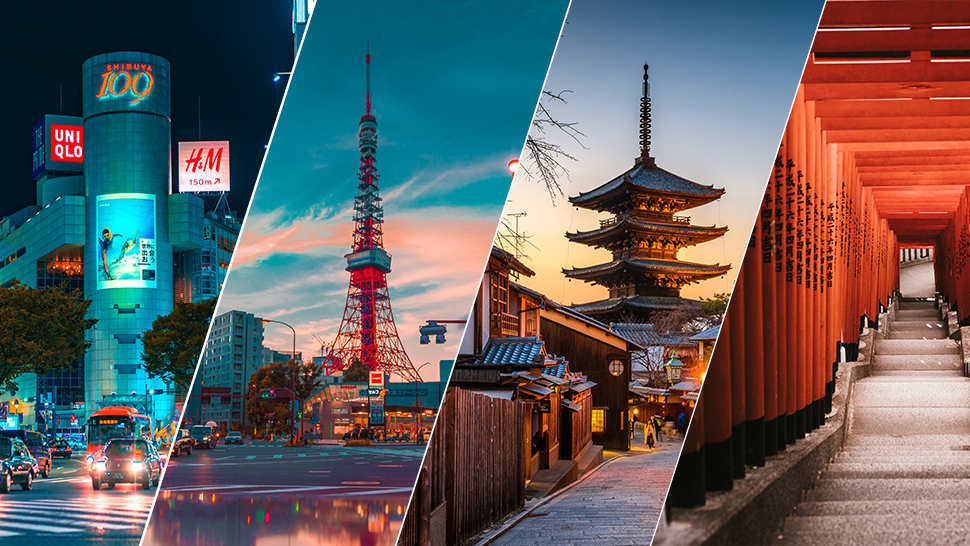
Japan stands as one of the most captivating travel destinations on the planet. From the neon-lit streets of Tokyo to the ancient temples of Kyoto, from the culinary paradise of Osaka to the poignant memorials of Hiroshima, this island nation offers travelers an extraordinary blend of tradition and innovation found nowhere else on earth.
Yet planning a trip across Japan can feel daunting. The country’s extensive rail network, multiple transportation options, and unfamiliar booking systems often overwhelm first-time visitors. Understanding how to navigate bullet trains, local railways, buses, and ferries efficiently with omio can mean the difference between a stressful journey and an unforgettable adventure.
This comprehensive guide breaks down everything you need to know about exploring Japan’s travel wonders with omio, from must-visit destinations and transportation options to practical tips that will help you travel like a seasoned explorer supported by omio.
Why Japan Remains the Ultimate Travel Destination
Japan consistently ranks among the top travel destinations worldwide, and for good reason. The country offers something for every type of traveler. History enthusiasts discover centuries-old shrines and castles. Food lovers experience world-renowned cuisine from Michelin-starred restaurants to humble ramen shops. Nature seekers find breathtaking landscapes ranging from snow-capped mountains to tropical beaches. Technology enthusiasts witness cutting-edge innovations seamlessly integrated into daily life.
What truly sets Japan apart is how these elements coexist. You can start your morning at a 600-year-old Zen temple, grab lunch at a robot-themed restaurant, spend the afternoon in a traditional tea house, and end the evening at a karaoke bar in a neon-drenched entertainment district. This constant interplay between old and new creates an experience unlike any other country.
The safety and cleanliness of Japanese cities further enhance the travel experience. Streets remain spotless despite the absence of public trash bins. Violent crime rates sit among the lowest globally. Public transportation runs with legendary punctuality, often arriving within seconds of scheduled times. These factors combine to create an environment where travelers can focus entirely on enjoying their journey rather than worrying about logistics or safety.
Understanding Japan’s Transportation Network
Japan operates one of the most efficient transportation systems in the world. Understanding how different modes connect allows travelers to maximize their time and minimize unnecessary expenses.
High-Speed Rail: The Backbone of Japan Travel
The Shinkansen bullet train network forms the foundation of long-distance travel in Japan. These trains connect major cities at speeds reaching 320 kilometers per hour, transforming what would be lengthy journeys into quick, comfortable trips.
The Tokyo to Kyoto route takes approximately 2 hours and 15 minutes. Tokyo to Osaka requires about 2 hours and 30 minutes. Osaka to Hiroshima is roughly 1 hour and 30 minutes. These travel times rival or beat domestic flights when accounting for airport security, check-in procedures, and transfers to city centers.
Beyond speed, bullet trains offer exceptional comfort. Spacious seats with ample legroom, no seatbelt requirements, freedom to walk around, onboard food service, and stunning views of the Japanese countryside make the journey itself part of the experience. On clear days, travelers on the Tokaido Shinkansen line enjoy magnificent views of Mount Fuji rising majestically above the landscape.
Major Shinkansen Lines:
The Tokaido Shinkansen connects Tokyo with Nagoya, Kyoto, and Osaka, serving as the busiest high-speed rail corridor in the world. The Sanyo Shinkansen continues westward from Osaka to Hiroshima and Hakata (Fukuoka). The Tohoku Shinkansen runs northward from Tokyo through Sendai to Aomori. The Hokkaido Shinkansen extends to Hakodate on Japan’s northern island. The Hokuriku Shinkansen connects Tokyo with Kanazawa via Nagano. The Joetsu Shinkansen links Tokyo with Niigata on the Japan Sea coast. The Kyushu Shinkansen serves southern Japan from Hakata to Kagoshima.
Types of Bullet Train Services:
Different service levels operate on each line, varying in speed and number of stops. The fastest services (Nozomi on Tokaido/Sanyo, Hayabusa on Tohoku) stop only at major stations. Mid-tier services (Hikari, Hayate) make additional stops while maintaining high speeds. Local services (Kodama, Yamabiko) stop at every station along the route.
Understanding these distinctions helps travelers choose appropriate trains. When time matters most, fastest services shave valuable minutes off journeys. When flexibility matters more, slower services often have more available seats and require no reservations.
Local and Regional Railways
Beyond the Shinkansen, Japan operates an extensive network of local and regional railways. These trains connect smaller cities, suburbs, and rural areas not served by bullet trains.
JR (Japan Railways) companies operate the majority of these services across six regional divisions: JR East, JR Central, JR West, JR Hokkaido, JR Shikoku, and JR Kyushu. Private railway companies like Odakyu, Kintetsu, Hankyu, and Keio fill gaps in the network, particularly around major metropolitan areas.
Local trains prove essential for reaching destinations like Nara (from Kyoto or Osaka), Nikko (from Tokyo), Kamakura (from Tokyo), and countless other attractions not directly connected to bullet train stations.
Bus Networks
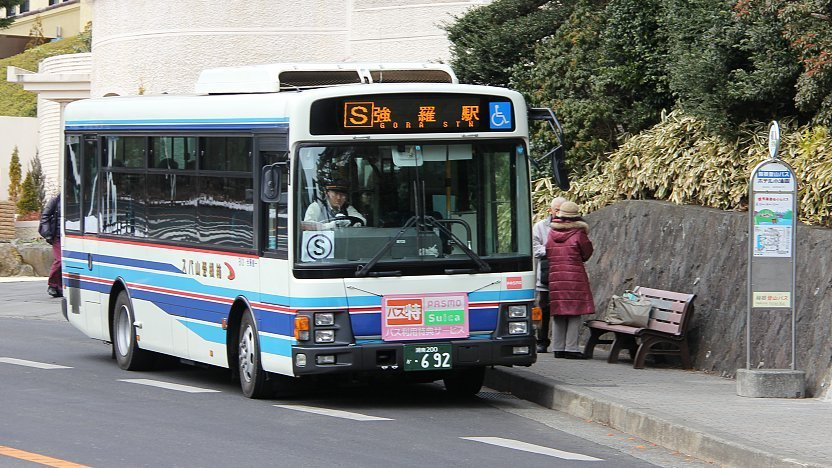
Buses serve two primary functions in Japan travel. Highway buses provide economical alternatives to trains for long-distance travel, often operating overnight routes that save on accommodation costs. Local buses reach destinations inaccessible by rail, including mountain resorts, remote temples, and scenic viewpoints.
For budget-conscious travelers, overnight buses between Tokyo and Osaka or Kyoto offer significant savings compared to Shinkansen tickets, though at the cost of travel time and comfort.
Ferry Services
Ferries connect Japan’s numerous islands and provide scenic transportation options along coastal routes. The JR Miyajima Ferry transports visitors to the famous shrine island near Hiroshima. Ferries serve the Seto Inland Sea islands, including the art-focused Naoshima. Longer routes connect the main islands with Okinawa, Hokkaido, and remote island chains.
The Japan Rail Pass: Is It Worth It?
The Japan Rail Pass (JRP) represents one of the most valuable tools for tourists planning extensive travel across Japan. This pass offers unlimited rides on most JR trains, including the majority of Shinkansen services, for a fixed period of 7, 14, or 21 consecutive days.
What the Pass Covers:
JRP holders can ride freely on most Shinkansen lines (with the exception of Nozomi and Mizuho services, which require an additional ticket). The pass covers all JR local and express trains nationwide, JR buses on local routes, and even the JR ferry to Miyajima Island. Airport transfers on JR lines are included, such as the Narita Express from Narita Airport, Tokyo Monorail from Haneda Airport, and Haruka Express from Kansai Airport.
Seat reservations on covered trains are free and unlimited, allowing travelers to secure guaranteed seating on popular routes without additional charges.
Calculating Value:
Whether the Japan Rail Pass saves money depends entirely on your itinerary. Consider these sample one-way Shinkansen fares (approximate):
- Tokyo to Kyoto: ¥13,320 ($90 USD)
- Tokyo to Osaka: ¥13,870 ($94 USD)
- Osaka to Hiroshima: ¥10,230 ($69 USD)
- Tokyo to Hiroshima: ¥18,380 ($124 USD)
A 7-day Ordinary Car pass costs approximately ¥50,000 ($338 USD). A simple Tokyo-Kyoto-Hiroshima-Osaka-Tokyo loop easily exceeds this amount in individual ticket costs, making the pass worthwhile.
However, travelers staying primarily in one city or making only one or two long-distance journeys may find individual tickets more economical. Always calculate your specific routes before purchasing.
Pass Types:
The JRP comes in two classes: Ordinary Car (standard class) and Green Car (first class with wider seats, more legroom, and quieter cabins). Both classes offer the same route coverage; the difference lies purely in onboard comfort.
How to Purchase and Use:
The Japan Rail Pass must be purchased before arriving in Japan (with some limited exceptions for purchases at major airports and stations). You receive an Exchange Order that you redeem at a JR ticket office in Japan upon arrival. At that time, you select your activation date, which can be any day within 30 days of the exchange.
Once activated, simply show your pass when entering and exiting stations through staffed gates. For reserved seats, visit ticket windows or automated machines to obtain seat assignments at no additional cost.
Regional Passes:
For travelers focusing on specific areas, regional JR passes often provide better value than the nationwide pass. Options include:
- JR East Pass (Tohoku area or Nagano/Niigata area)
- JR West Pass (Sanyo-San’in, Kansai, Kansai Wide, Hokuriku areas)
- JR Kyushu Pass (Northern Kyushu or All Kyushu)
- JR Hokkaido Pass
These passes cover unlimited travel within their designated regions at lower prices than the nationwide pass.
Essential Destinations for Your Japan Itinerary
Japan rewards both focused exploration of individual cities and ambitious multi-city itineraries. The following destinations represent the essential experiences most travelers prioritize.
Tokyo: Where Future Meets Tradition
As the world’s most populous metropolitan area with over 37 million residents, Tokyo defies simple categorization. The city functions as a collection of distinct neighborhoods, each with unique character and attractions.
Shibuya pulses with youth culture, fashion, and the famous Shibuya Crossing where up to 3,000 people cross simultaneously at peak times. The observation deck at Shibuya Sky offers panoramic city views, particularly stunning at sunset. Nearby Harajuku showcases avant-garde street fashion along Takeshita Street and serene beauty at Meiji Shrine, set within a tranquil forest.
Shinjuku houses the busiest train station in the world (over 3.5 million daily passengers) alongside towering skyscrapers, the historic Golden Gai bar district, and the beautiful Shinjuku Gyoen garden. The Tokyo Metropolitan Government Building offers free observation deck access with views stretching to Mount Fuji on clear days.
Asakusa preserves old Tokyo atmosphere around Senso-ji Temple, the city’s oldest Buddhist temple. The approach through Nakamise Shopping Street offers traditional crafts, snacks, and souvenirs. Nearby Tokyo Skytree, the world’s tallest tower at 634 meters, provides observation decks with breathtaking views.
Ginza represents luxury shopping and fine dining at its finest, while Akihabara caters to electronics enthusiasts and anime fans. Ueno contains world-class museums and a zoo within its expansive park. Yanaka offers a glimpse of old-fashioned Tokyo with narrow lanes, traditional shops, and historic cemeteries.
Recommended Time: Minimum 3-4 days for highlights; 5-7 days for comprehensive exploration.
Kyoto: The Cultural Heart of Japan
For over 1,000 years, Kyoto served as Japan’s imperial capital, accumulating an unparalleled collection of temples, shrines, gardens, and traditional arts. Unlike many Japanese cities, Kyoto largely escaped World War II bombing, preserving its historical treasures intact.
Higashiyama District contains the highest concentration of traditional atmosphere. Kiyomizu-dera Temple perches dramatically on a hillside, its wooden stage offering sweeping city views. The narrow lanes of Ninenzaka and Sannenzaka wind past traditional wooden buildings housing shops, restaurants, and tea houses. Gion, the famous geisha district, reveals glimpses of geiko and maiko (geishas and apprentices) hurrying to evening appointments.
Fushimi Inari Shrine captivates visitors with its seemingly endless tunnel of 10,000 vermillion torii gates winding up Mount Inari. The full hike takes 2-3 hours, though shorter walks still provide magical photo opportunities. Early morning or late afternoon visits avoid the heaviest crowds.
Kinkaku-ji (Golden Pavilion) reflects brilliantly in its surrounding pond, the gold-leaf covered structure ranking among Japan’s most photographed sights. Ginkaku-ji (Silver Pavilion) offers a more subdued aesthetic with its beautiful moss garden and sand patterns.
Arashiyama in western Kyoto features the iconic Bamboo Grove, where towering stalks create an otherworldly green corridor. The district also contains Tenryu-ji Temple (UNESCO World Heritage Site), traditional rickshaw rides, and the Togetsukyo Bridge spanning the Katsura River.
Recommended Time: Minimum 2-3 days; 4-5 days allows deeper exploration including day trips.
Osaka: Japan’s Kitchen and Entertainment Capital
Osaka operates on a different energy than Tokyo or Kyoto. The city embraces a straightforward, fun-loving character reflected in its food culture, entertainment districts, and local dialect.
Dotonbori epitomizes Osaka’s spirit with its neon signs, giant mechanical crabs, and endless food stalls. This canal-side entertainment district comes alive at night when crowds pack the pedestrian streets sampling takoyaki (octopus balls), okonomiyaki (savory pancakes), and countless other local specialties.
Kuromon Market, known as “Osaka’s Kitchen,” stretches over 600 meters with approximately 170 shops selling fresh seafood, produce, and prepared foods. Visitors can sample sashimi, grilled scallops, tamagoyaki (egg omelet), and seasonal fruits while browsing.
Osaka Castle dominates the city skyline from its hilltop position, the reconstructed tower housing a museum covering the castle’s history and the warlord Toyotomi Hideyoshi who built the original structure.
For pop culture enthusiasts, Universal Studios Japan features attractions including The Wizarding World of Harry Potter and Super Nintendo World, drawing visitors from across Asia.
Shinsekai district preserves retro Showa-era atmosphere with its iconic Tsutenkaku Tower, kushikatsu (deep-fried skewers) restaurants, and nostalgic entertainment halls.
Recommended Time: 2-3 days covers major attractions; combine with nearby Kyoto and Nara.
Hiroshima: Peace, Resilience, and Beauty
Hiroshima carries profound historical significance as the first city to experience atomic bombing. Rather than dwelling solely on tragedy, modern Hiroshima has emerged as a powerful symbol of peace and human resilience.
Peace Memorial Park occupies the hypocenter area, transformed into expansive green space dotted with monuments and memorials. The A-Bomb Dome (Genbaku Dome) stands preserved in its ruined state, a haunting reminder and UNESCO World Heritage Site. The Peace Memorial Museum presents artifacts, personal stories, and historical context with remarkable sensitivity.
Beyond its historical sites, Hiroshima thrives as a modern city with excellent food (particularly Hiroshima-style okonomiyaki with layered noodles), reconstructed Hiroshima Castle, and beautiful Shukkeien Garden.
Recommended Time: 1-2 days including Miyajima day trip.
Miyajima Island: Japan’s Floating Shrine
A short ferry ride from Hiroshima (approximately 10 minutes from Miyajimaguchi Station), Miyajima ranks among Japan’s three most scenic views. The island’s iconic Itsukushima Shrine features a massive torii gate that appears to float on water during high tide.
Beyond the famous gate, Miyajima offers friendly wild deer roaming the streets, hiking trails to Mount Misen summit, traditional shopping streets, and peaceful temples. Momijidani Park blazes with color during autumn foliage season.
Visitors can easily explore the island in a half-day trip from Hiroshima, though overnight stays allow witnessing the shrine gate illuminated after dark and experiencing the island’s tranquil atmosphere once day-trippers depart.
Recommended Time: Half-day minimum; overnight for full experience.
Nara: Ancient Capital and Friendly Deer
Predating even Kyoto as Japan’s capital, Nara preserves remarkable 8th-century Buddhist temples and is famous for the 1,200+ freely roaming deer considered sacred messengers of the gods.
Todai-ji Temple houses the world’s largest bronze Buddha statue within one of the world’s largest wooden buildings. Nara Park sprawls across 1,200 acres, containing multiple UNESCO World Heritage Sites alongside the beloved deer. Kasuga Taisha Shrine features thousands of stone and bronze lanterns lining its approaches.
Nara works perfectly as a day trip from Kyoto (approximately 45 minutes by train) or Osaka (approximately 30-50 minutes depending on route).
Recommended Time: Full day trip.
Mount Fuji: Japan’s Iconic Peak
No symbol represents Japan more universally than Mount Fuji, the perfectly symmetrical volcanic cone rising 3,776 meters above the surrounding landscape. While climbing the summit requires significant planning (and is only possible during July-August climbing season), viewing Fuji proves accessible year-round.
Hakone offers hot spring resorts, mountain railways, cable cars, and lake cruises with potential Fuji views (weather permitting). The Fuji Five Lakes region on the mountain’s northern side provides numerous viewpoints, with Lake Kawaguchiko being most popular and accessible.
The Chureito Pagoda near Kawaguchiko creates perhaps the most famous Fuji photograph, the five-storied pagoda framing the mountain beyond.
Day trips from Tokyo to Fuji viewing areas are feasible, though overnight stays allow more time and better chances of clear mountain views (early morning typically offers best visibility).
Recommended Time: 1-2 days from Tokyo.
Sample Japan Itineraries
One Week: Classic Golden Route
Day 1-3: Tokyo Explore Shibuya, Harajuku, Shinjuku on day one. Visit Asakusa, Senso-ji, Tokyo Skytree on day two. Day three covers Ueno museums, Akihabara, or Ginza based on interests.
Day 4-5: Kyoto Early morning Fushimi Inari to avoid crowds. Afternoon in Higashiyama district. Day two covers Arashiyama Bamboo Grove, Kinkaku-ji, and evening in Gion.
Day 6: Nara Day Trip Morning train from Kyoto. Visit Todai-ji, Nara Park, deer encounters, Kasuga Shrine. Return to Kyoto evening.
Day 7: Osaka Transfer to Osaka (or Tokyo for departure). Explore Dotonbori, Osaka Castle, Kuromon Market.
Two Weeks: Extended Exploration
Days 1-4: Tokyo Add day trip to Nikko or Kamakura. More neighborhood exploration.
Days 5-7: Kyoto Deeper exploration including Ginkaku-ji, Philosopher’s Path, Nishiki Market, tea ceremony experience.
Day 8: Nara Day Trip
Days 9-10: Hiroshima and Miyajima Peace Memorial Park and Museum. Overnight on Miyajima or day trip from Hiroshima.
Days 11-12: Osaka Full exploration of food culture, entertainment districts, Universal Studios Japan option.
Days 13-14: Return to Tokyo Last-minute shopping, missed neighborhoods, departure preparations.
Three Weeks: Comprehensive Journey
Add destinations such as:
- Kanazawa (traditional gardens, geisha districts, samurai houses)
- Takayama (preserved Edo-period streets, Japanese Alps access)
- Hakone or Fuji Five Lakes (hot springs, Mount Fuji views)
- Himeji (Japan’s finest original castle)
- Naoshima (contemporary art island)
- Koyasan (Buddhist mountain temple stay)
Practical Tips for Traveling in Japan
Transportation Cards
Beyond the Japan Rail Pass, IC cards like Suica (JR East), Pasmo (Tokyo Metro/private lines), or ICOCA (JR West) prove essential. These rechargeable cards work on virtually all trains, subways, and buses nationwide, plus convenience stores, vending machines, and many shops. Simply tap on entry and exit; fares deduct automatically.
Purchase IC cards at any major station from ticket machines (English language option available).
Luggage Forwarding
Japan’s efficient takkyubin (luggage forwarding) services transform travel logistics. Rather than hauling suitcases through crowded stations and onto trains, send luggage ahead to your next hotel for approximately ¥2,000-3,000 ($15-20 USD) per bag. Most hotels, convenience stores, and designated locations offer sending services. Luggage typically arrives next day.
This service proves particularly valuable when making day trips or moving between cities with multiple stops planned.
Luggage Storage
Coin lockers exist at virtually every train station in various sizes. Small lockers accommodate day bags (¥300-400), medium lockers fit carry-on suitcases (¥500-600), and large lockers handle full-size luggage (¥700-800). Some stations offer attended luggage storage facilities as well.
Cash Still Matters
While credit card acceptance has improved dramatically, cash remains important in Japan. Smaller restaurants, shops, and attractions often accept cash only. ATMs at 7-Eleven, Family Mart, and Japan Post locations reliably accept international cards, though some bank ATMs do not.
Language Considerations
English signage exists throughout major tourist areas and transportation networks. However, English spoken outside hotels and major attractions remains limited. Learning basic phrases (thank you: arigatou gozaimasu, excuse me: sumimasen) proves helpful. Translation apps with camera features help decipher menus and signs.
Connectivity
Pocket WiFi rentals and SIM cards for tourists are available at airports and online with advance booking. Reliable internet access proves invaluable for navigation, translation, and real-time travel information. Most hotels offer free WiFi, and free hotspots exist at major stations and convenience stores.
Etiquette Essentials
Remove shoes when entering homes, traditional ryokan accommodations, many temples, and some restaurants (look for raised floors and shoe storage areas). Avoid eating while walking. Queue orderly for trains. Speak quietly on public transportation. Tip absolutely nowhere (it can cause confusion or offense).
Onsen (Hot Spring) Culture
Japan’s volcanic geology creates abundant natural hot springs, and public bathing represents an important cultural tradition. Tattoos remain prohibited at many onsen facilities due to historical yakuza associations, though attitudes are slowly changing and some facilities now accept tattooed visitors.
Onsen etiquette requires thorough washing before entering communal baths. Swimsuits are not worn. Small modesty towels may be used but should not enter the water.
Best Times to Visit Japan
Cherry Blossom Season (Late March – Early April)
The most popular tourist season brings spectacular sakura blooms nationwide. Exact timing varies by location and year; cherry blossom forecasts published months in advance help with planning. Expect peak crowds and prices; book accommodations and transportation months ahead.
Autumn Foliage (November)
Koyo (autumn colors) rivals cherry blossoms in beauty, with fewer crowds in many locations. Kyoto’s temples surrounded by blazing red maples create unforgettable scenes. Northern regions peak earlier; southern areas extend into early December.
Spring and Early Summer (May – June)
Pleasant temperatures, fewer crowds than peak seasons, reasonable prices. Late June brings tsuyu rainy season to most regions except Hokkaido.
Summer (July – August)
Hot, humid conditions make summer challenging in cities. However, this period offers mountain climbing season on Mount Fuji, vibrant festivals (matsuri) nationwide, and excellent conditions in Hokkaido.
Winter (December – February)
Excellent for skiing and snowboarding in regions like Nagano, Niigata, and Hokkaido. Cities experience moderate winter conditions (cold but manageable). Fewer tourists create peaceful temple visits. Illumination events brighten winter nights.
Using Multi-Modal Booking Platforms
Modern travel platforms like Omio simplify the complex task of planning multi-city Japan itineraries. Rather than navigating multiple Japanese railway websites, airline portals, and bus company pages, these platforms aggregate options into single searchable databases.
The advantages prove particularly valuable for Japan travel:
Comparison Shopping: See train, bus, and flight options side-by-side for any route. Sometimes bullet trains offer superior value; other times budget flights or overnight buses make sense.
Japan Rail Pass Purchases: Legitimate resellers offer JRP vouchers with clear pricing, refund policies, and customer support in your language.
Mobile Ticketing: Store tickets digitally rather than managing paper tickets in foreign languages.
Real-Time Information: Access schedules, platform information, and delay notifications in English.
Multi-Currency Support: Pay in your home currency with transparent pricing.
While booking directly with Japanese operators sometimes offers marginally lower prices, the convenience, language accessibility, and consolidated ticket management of aggregator platforms typically outweigh small savings for international visitors.
Final Thoughts: Your Japan Adventure Awaits
Japan offers travelers an unparalleled combination of ancient culture and modern innovation, natural beauty and urban excitement, culinary excellence and artistic tradition. The country’s world-class transportation network makes ambitious itineraries surprisingly manageable, whisking visitors between contrasting destinations in hours rather than days.
Whether you seek the electric energy of Tokyo, the timeless beauty of Kyoto, the culinary adventures of Osaka, or the profound peace of Hiroshima, Japan delivers experiences that linger long after returning home.
The key to successful Japan travel lies in thoughtful planning balanced with flexibility for spontaneous discovery. Research your must-see destinations and transportation options, but leave room in your itinerary for unexpected temples glimpsed from train windows, recommended restaurants from fellow travelers, and quiet moments in gardens you stumble upon by chance.
Japan rewards both meticulous planners and adventurous wanderers. Armed with the knowledge in this guide, you possess everything needed to begin crafting your own unforgettable Japanese journey.
The ancient temples, bullet trains, bustling cities, and serene countryside await. Your adventure begins now.
Disclaimer: This article may contain affiliate links, and we may earn a commission if you make a purchase through these links.
Remember, never travel without travel insurance! And never overpay for travel insurance!
I use HeyMondo. You get INSTANT quotes. Super cheap, they actually pay out, AND they cover almost everywhere, where most insurance companies don't (even places like Central African Republic etc!). You can sign-up here. PS You even get 5% off if you use MY LINK! You can even sign up if you're already overseas and traveling, pretty cool.
Also, if you want to start a blog...I CAN HELP YOU!
Also, if you want to start a blog, and start to change your life, I'd love to help you! Email me on johnny@onestep4ward.com. In the meantime, check out my super easy blog post on how to start a travel blog in under 30 minutes, here! And if you just want to get cracking, use BlueHost at a discount, through me.
Also, (if you're like me, and awful with tech-stuff) email me and my team can get a blog up and running for you, designed and everything, for $699 - email johnny@onestep4ward.com to get started.
Do you work remotely? Are you a digital nomad/blogger etc? You need to be insured too.
I use SafetyWing for my digital nomad insurance. It covers me while I live overseas. It's just $10 a week, and it's amazing! No upfront fees, you just pay week by week, and you can sign up just for a week if you want, then switch it off and on whenever. You can read my review here, and you can sign-up here!








 As you know, blogging changed my life. I left Ireland broke, with no plan, with just a one-way ticket to Thailand
and no money. Since then, I started a blog, then a digital media company, I've made
more than $1,500,000 USD, bought 4 properties and visited (almost) every country in the world. And I did it all from my laptop as I
travel the world and live my dream. I talk about how I did it, and how you can do it too, in my COMPLETELY FREE
Ebook, all 20,000
words or so. Just finish the process by putting in your email below and I'll mail it right out to you immediately. No spam ever too, I promise!
As you know, blogging changed my life. I left Ireland broke, with no plan, with just a one-way ticket to Thailand
and no money. Since then, I started a blog, then a digital media company, I've made
more than $1,500,000 USD, bought 4 properties and visited (almost) every country in the world. And I did it all from my laptop as I
travel the world and live my dream. I talk about how I did it, and how you can do it too, in my COMPLETELY FREE
Ebook, all 20,000
words or so. Just finish the process by putting in your email below and I'll mail it right out to you immediately. No spam ever too, I promise!