

How to Plan a Trip to Peru: Everything You Need to Know Before You Go
Peru is one of the top destinations in South America, so planning your first trip can feel a bit overwhelming. There is so much to see and do, and the country offers much more than just Machu Picchu. You can explore the Pacific coast near Lima, the highlands of Cusco, the Sacred Valley, the Amazon, Lake Titicaca, and many other places along the way.
One of the best ways to experience Peru is by following a classic route that takes you through some of the country’s most popular destinations. For your first visit, combining Lima, Cusco, the Sacred Valley, and Machu Picchu is a great starting point. If you have extra time, you can also visit places like Rainbow Mountain, Puno, or Lake Titicaca without feeling rushed.
Based on our experience helping travelers plan trips to Peru, it is important to allow enough time between destinations, especially around Cusco, where adjusting to the altitude can take a while. This guide will help you figure out how many days you need, where to go, when to visit, and whether to hike the Inca Trail or take the train to Machu Picchu.
Where Should You Go on Your First Trip to Peru?
If it is your first time in Peru, one of the easiest ways to plan your trip is to think of it as a journey through several very different parts of the country: the coast, the Andes, and the area around Machu Picchu.
Start in Lima
Most international flights arrive in Lima, so it is the natural starting point for your trip. The city is at sea level and offers a warm welcome to Peru’s capital, so it is worth spending at least a little time here before heading into the Andes.
Downtown Lima is a great place to explore, and many tours include a city tour where you can visit Plaza Mayor, the Government Palace, and other historic landmarks. You can also walk around neighborhoods like Miraflores and Barranco and try some of Peru’s famous food. Lima is one of the best places to get a taste of Peruvian cuisine, and even a short visit is worthwhile.
If you have another day available, consider a full-day trip to the Ballestas Islands and Huacachina. It is quite a contrast to Lima: you start with the Pacific coast and its marine wildlife, then head inland to the desert dunes and oasis of Huacachina.
From Lima, most travelers fly to Cusco.
Give Yourself Time in Cusco
Cusco is known as the gateway to Machu Picchu and sits at around 3,350 meters (11,000 feet) above sea level. The first thing to consider is how to adjust to the altitude, but Cusco deserves more than just a quick overnight stay. It is also where you will begin getting used to the higher elevation.
On your first day, take things fairly easy. A relaxed afternoon city tour is a good way to see some of Cusco’s historic and Inca sites without making your first day too demanding.
Once you have had some time to adjust, head into the Sacred Valley. Pisac and Ollantaytambo are two of the most popular stops, and staying overnight in Ollantaytambo makes sense if Machu Picchu or the Inca Trail is next on your itinerary.
Decide How You Want to Reach Machu Picchu
This is where you can shape the trip around your own interests.
If you enjoy hiking and want the full trekking experience, the 4-Day Classic Inca Trail takes you through the Andes before reaching Machu Picchu. If four days of trekking sounds like too much, the 2-Day Short Inca Trail Hike offers a shorter alternative while still giving you the chance to walk part of the historic route.
Both options include Machu Picchu, but the experience is quite different. And if hiking is not your thing, taking the train is a much easier way to reach the citadel.
Consider Visiting Rainbow Mountain or Lake Titicaca
After Machu Picchu, you can return to Cusco and spend another day exploring the surrounding mountains. Rainbow Mountain is one of the most popular day trips, although keep in mind that it sits at a much higher altitude than Cusco.
If your schedule allows for a longer trip, you can continue south to Puno and Lake Titicaca instead of flying straight back to Lima. You can visit the lake on a day trip, or spend a night with a local family on one of the islands for a more immersive experience.
From Puno, you can fly back to Lima and connect with your international flight home.
A Popular Peru Route at a Glance
Lima
- City & food
- Ballestas Islands & Huacachina
- Cusco
- City Tour & acclimatization
- Sacred Valley
- Overnight in Ollantaytambo
- Classic Inca Trail or Short Inca Trail
- Machu Picchu
- Cusco
- Rainbow Mountain
- Lima, or continue to Puno & Lake Titicaca
- Lima to Home
You do not have to follow this route exactly. Use it as a starting point and adjust it based on how much time you have and what interests you most.
How Many Days Do You Need in Peru?
There is no one-size-fits-all answer, but spending 10 to 14 days lets you see Lima, Cusco, the Sacred Valley, and Machu Picchu at a relaxed pace for your first trip.
If you have about 7 days, you can still enjoy a great trip, but you will need to focus your plans. Lima, Cusco, the Sacred Valley, and Machu Picchu can fit into a week, but there will not be much time for extra excursions.
With 10 to 12 days, you can add a trek, visit Rainbow Mountain, or spend an extra day in Lima or Cusco.
If you have 14 to 16 days or more, you can travel at a slower pace and think about adding Puno and Lake Titicaca to your trip.
If you like having the main details planned ahead, you can look into Peru tour packages and pick an itinerary that matches your schedule and travel style.
The biggest mistake is trying to see everything in one trip. Peru is a big country, and some journeys take longer than they seem on a map. Allowing yourself more time can help you enjoy your trip instead of feeling rushed.
How Long Should You Spend in Cusco?
It’s highly recommended to spend at least 2 to 3 days in Cusco before starting a longer trek. The exact time depends on when you arrive and how you adjust to the altitude.
Cusco is about 3,400 meters (11,150 feet) above sea level, so it’s not a good idea to arrive from sea level and start a tough trek right away.
On your first day, take things easy. Stroll around the city, eat well, drink lots of water, and get some rest. Many travelers find that a gentle afternoon city tour is a nice way to begin.
Once you feel comfortable, the Sacred Valley is a great next stop. Many visitors explore the valley before heading to Machu Picchu.
If you plan to hike the Classic Inca Trail, keep in mind that the trek takes four days. Make sure your schedule allows time to get used to the altitude before you begin.
When Is the Best Time to Visit Peru?
You can visit Peru any time of year, but the best time depends on where you want to go and what you want to do.
If you want to trek in the Andes, May to September is usually the driest time and is popular with hikers. Days are often sunny, but nights at high altitude can get quite cold.
April and October are good months for a mix of weather. They can offer a nice balance if you want to avoid the busiest part of the dry season.
From about November to March, it rains more often in the Andes. The mountains are greener, but if you plan to trek, be ready for wet conditions.
One important exception is February, when the Classic Inca Trail closes each year for maintenance and conservation. Machu Picchu stays open, and you can still reach it by other routes.
How Do You Get to Machu Picchu?
After you arrive in the Cusco and Sacred Valley area, you have a few ways to get to Machu Picchu.
For many travelers, the easiest way is to take the train, usually from the Sacred Valley or Ollantaytambo to Aguas Calientes, the town just below Machu Picchu.
If you want the journey to be part of the adventure, you can hike. The Classic Inca Trail takes four days, while the Short Inca Trail takes two days and is a shorter trek.
The best option depends on your schedule, fitness level, and how much of the journey you want to do on foot.
If you want to compare the different routes and transportation options in more detail, OneStep4Ward’s guide on how to get to Machu Picchu is a helpful resource.
Should You Hike the Inca Trail or Take the Train?
This choice depends on what you want from your Machu Picchu experience.
If your main goal is to see Machu Picchu and keep the journey comfortable, the train is the best choice. It saves several days of hiking and is great for travelers with less time.
If the journey matters as much as the destination, the Classic Inca Trail is a unique experience. You’ll spend several days walking through the Andes, passing archaeological sites and changing scenery before reaching Machu Picchu.
The Short Inca Trail is a good compromise. It lets you hike part of the historic route without spending four days on the trail.
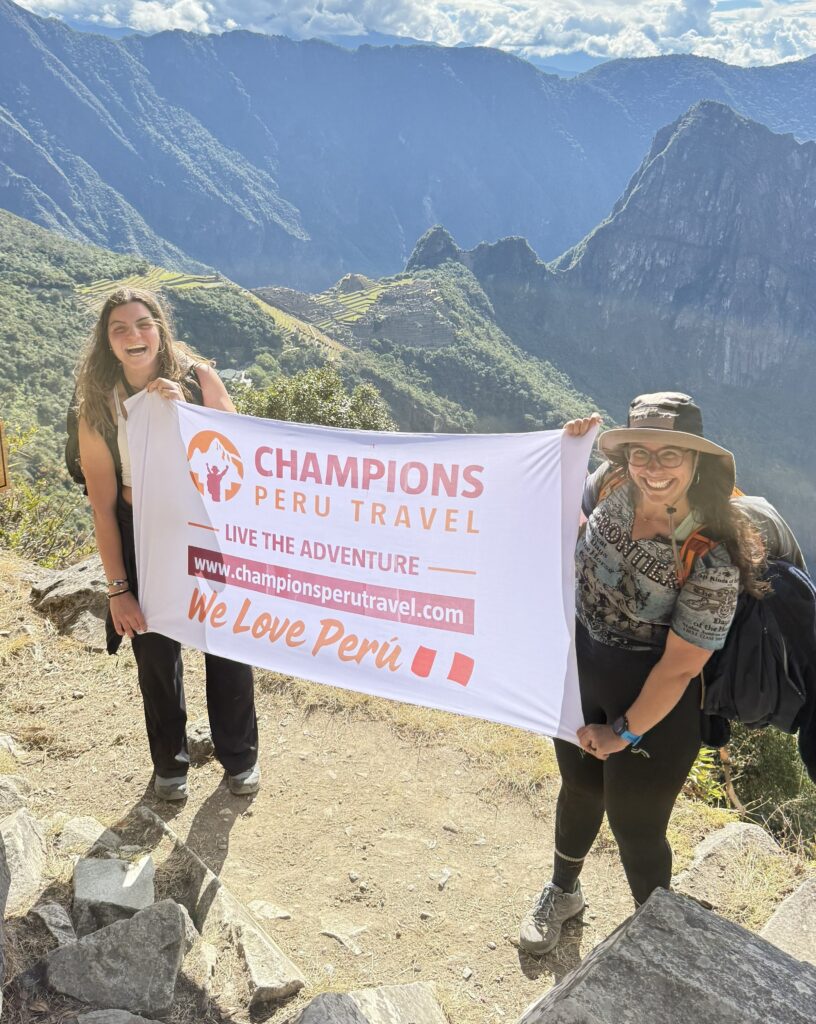
If you want to hike, it’s a good idea to organize your trek early. Inca Trail permits are limited, especially in the busiest months, and must be booked through an authorized operator. If you want a local Cusco-based tour company, Champions Peru Travel is one of your top options, feel free to contact them and get special rate.
No matter which option you choose, remember that Machu Picchu is just one part of the experience. How you get there can be just as memorable.
What Should You Book in Advance?
You don’t need to plan every minute of your trip months in advance, but some things are much easier if you book them early.
Consider booking these in advance:
- International and domestic flights
- Machu Picchu entrance tickets
- Classic or Short Inca Trail permits
- Popular train services
- Hotels during busy travel periods
- Multi-day treks and popular tours
The Inca Trail is the main thing to book early, since permits are limited and popular dates can fill up long before the travel season.
If your travel dates are flexible, you’ll usually have more options. If you’re visiting during the busiest months, it’s best to make your main reservations as soon as you know your itinerary.
You can often arrange other activities closer to your trip, so there’s no need to plan every day months ahead.
How Should You Prepare for Cusco’s Altitude?
Altitude is one of the main things that sets Cusco apart from many other destinations.
The best thing you can do is give yourself time to get used to the altitude.
From our experience helping travelers in the Cusco region, it’s better not to plan a tough hike on your first day. Start slowly, drink plenty of water, eat regular meals, and get enough rest.
If you’re planning a high-altitude trip like Rainbow Mountain, it’s especially helpful to have some time to acclimatize first.
Also, feeling fine at Cusco’s altitude doesn’t always mean you’ll feel the same at higher elevations. Plan your itinerary with the altitude of each trip in mind.
A Simple Peru Trip Planning Timeline
You don’t need a complicated planning system. A simple timeline is usually enough.
3–6 months before:
Decide on your main route, check Inca Trail availability, and book major flights and accommodation.
1–3 months before:
Finalize Machu Picchu tickets, train arrangements, treks, and important tours.
2–4 weeks before:
Check your packing list, travel documents, weather forecast, and tour confirmations.
Before leaving home:
Keep copies of important documents, check your travel insurance, and make sure you know how you will get between your main destinations.
If you’re traveling during a busy time, start planning earlier. Being flexible with your dates can also make organizing your trip much easier.
Our Final Tips for Planning Your First Trip to Peru
You don’t need to have every detail planned before you arrive in Peru. A good itinerary gives you a clear route but still leaves room for unexpected discoveries.
If it’s your first visit, give yourself enough time in Cusco to acclimatize 2 to 3 days minimum, book the Inca Trail early if you want to hike it, and try not to fit too many places into one week.
Most importantly, pick an itinerary that fits your travel style. Peru can be a short Machu Picchu trip, a two-week Andes adventure, or a longer journey through several regions.
The best itinerary isn’t always the one that visits the most places. It’s the one that gives you enough time to enjoy the places you traveled so far to see.
About the Author
Ronaldo, Founder of Champions Peru Travel
Ronaldo is a travel professional based in Cusco with firsthand experience helping travelers plan and enjoy trips through Peru, including the Inca Trail, Machu Picchu, and the Andes.
Remember, never travel without travel insurance! And never overpay for travel insurance!
I use HeyMondo. You get INSTANT quotes. Super cheap, they actually pay out, AND they cover almost everywhere, where most insurance companies don't (even places like Central African Republic etc!). You can sign-up here. PS You even get 5% off if you use MY LINK! You can even sign up if you're already overseas and traveling, pretty cool.
Also, if you want to start a blog...I CAN HELP YOU!
Also, if you want to start a blog, and start to change your life, I'd love to help you! Email me on johnny@onestep4ward.com. In the meantime, check out my super easy blog post on how to start a travel blog in under 30 minutes, here! And if you just want to get cracking, use BlueHost at a discount, through me.
Also, (if you're like me, and awful with tech-stuff) email me and my team can get a blog up and running for you, designed and everything, for $699 - email johnny@onestep4ward.com to get started.
Do you work remotely? Are you a digital nomad/blogger etc? You need to be insured too.
I use SafetyWing for my digital nomad insurance. It covers me while I live overseas. It's just $10 a week, and it's amazing! No upfront fees, you just pay week by week, and you can sign up just for a week if you want, then switch it off and on whenever. You can read my review here, and you can sign-up here!






 As you know, blogging changed my life. I left Ireland broke, with no plan, with just a one-way ticket to Thailand
and no money. Since then, I started a blog, then a digital media company, I've made
more than $1,500,000 USD, bought 4 properties and visited (almost) every country in the world. And I did it all from my laptop as I
travel the world and live my dream. I talk about how I did it, and how you can do it too, in my COMPLETELY FREE
Ebook, all 20,000
words or so. Just finish the process by putting in your email below and I'll mail it right out to you immediately. No spam ever too, I promise!
As you know, blogging changed my life. I left Ireland broke, with no plan, with just a one-way ticket to Thailand
and no money. Since then, I started a blog, then a digital media company, I've made
more than $1,500,000 USD, bought 4 properties and visited (almost) every country in the world. And I did it all from my laptop as I
travel the world and live my dream. I talk about how I did it, and how you can do it too, in my COMPLETELY FREE
Ebook, all 20,000
words or so. Just finish the process by putting in your email below and I'll mail it right out to you immediately. No spam ever too, I promise!