


Everest vs Manaslu vs Annapurna: Which Nepal Trek Is Right for You?
Nepal has a handful of famous trekking routes, and on paper the Everest Base Camp Trek, the Manaslu Circuit Trek and the Annapurna Circuit Trek can look like three versions of the same Himalayan adventure. Spend a bit of time looking into them, though, and you quickly realise they aren’t. They walk differently, they feel different, and they ask different things from you. That’s exactly what makes choosing between them interesting.
Most people planning one of these hit the same walls. Not enough holiday time. No clear idea how altitude will play out. Confusion about Kathmandu and Pokhara logistics, and about which permits are really needed. And a lot of itineraries online that squeeze everything into a schedule that looks great in a brochure and feels rough on the trail.
This guide goes through all three routes one by one, with realistic day-by-day plans, altitude notes, permits, seasons and the small practical stuff that tends to matter more than people expect. Treat the itineraries as planning frameworks. Weather, flights and roads change things all the time.
Which is the right trek in Nepal? So which trek is actually right for you? That’s not really about picking the mountain that looks best in a photo. It’s about how much time you’ve got, how you feel about altitude, and what you actually want from the walking. Do you want the famous Everest experience, a quieter and more remote-feeling circuit, or a route where the scenery seems to change every few hours? Those questions will usually point you in the right direction.
Table of contents
- Everest vs Manaslu vs Annapurna: Which Nepal Trek Is Right for You?
- Three Treks, Three Completely Different Himalayan Experiences
- Everest Base Camp Trek Overview
- Everest Base Camp Trek: Practical 13-Day Route
- Manaslu Circuit Trek Overview
- Manaslu Circuit Trek: Practical 14-Day Route
- Annapurna Circuit Trek Overview
- Annapurna Circuit Trek: Practical 12-Day Route
- Kathmandu and Pokhara: How They Fit Into Your Trek
- Best Time for Everest, Manaslu and Annapurna
- Nepal Trekking Permits: What You Actually Need to Know
- Altitude Guide: The Part You Shouldn’t Treat Casually
- What the Three Routes Feel Like on the Ground
- Practical Tips That Actually Make These Treks Easier
- Common Planning Mistakes to Avoid
- Which Itinerary Length Makes Sense?
- Final Takeaway: Three Routes, Three Different Reasons to Go
- Frequently Asked Questions About Nepal’s Three Classic Treks
- 1. Which is easier, Everest Base Camp, Manaslu Circuit or Annapurna Circuit?
- 2. How many days do you need for the Everest Base Camp Trek?
- 3. Is the Manaslu Circuit Trek harder than Everest Base Camp?
- 4. Do I need a guide and TIMS card for these treks?
- 5. Can I include Kathmandu and Pokhara in my Nepal trekking itinerary?
- 6. What is the best time to trek Everest Base Camp, Manaslu and Annapurna?
Three Treks, Three Completely Different Himalayan Experiences
Don’t think of this as picking a winner. Each route answers a different kind of travel itch.
Everest Base Camp Trek
This is the Khumbu: Sherpa villages, the busy hillside town of Namche Bazaar, the monastery at Tengboche, and a long, steady climb into proper high-altitude country. The pull is Everest itself, and the sense of getting closer to something you’ve seen in photos your whole life.
Manaslu Circuit Trek
Quieter and more remote-feeling. You pass through traditional villages beneath Manaslu, the scenery keeps shifting, and the big moment is the Larke La crossing. It also needs a restricted-area permit, which changes how you plan it.
Annapurna Circuit Trek
The landscape variety here is huge. You start in lower green valleys and end up in dry, high, almost Mustang-style terrain, with Manang and Thorong La in between. Roads have altered parts of the route, which affects how long people actually spend walking.
Everest Base Camp Trek Overview
What the Everest Base Camp Trek is actually like
Almost everyone starts in Kathmandu, then heads to Lukla for the first walking day, normally ending at Phakding. From there the trail follows a familiar chain: Namche Bazaar, Tengboche, Dingboche, Lobuche and Gorakshep, then Everest Base Camp itself. Many trekkers add Kala Patthar for the better view of the big peaks, since Base Camp isn’t much of a viewpoint.
Why people choose this route
Partly the name, honestly. Everest is Everest, and that’s a pretty good reason to want to see it. But the trek is much more than ticking Everest Base Camp off a list. You walk through Sherpa villages, stop at monasteries, cross suspension bridges and slowly watch the landscape change as you climb. By the time you reach Base Camp, you’ve actually walked your way into the mountains rather than simply arrived at a viewpoint. The Everest trek is also well set up for teahouse trekking, so first-time Himalayan trekkers often feel comfortable here.
Everest Base Camp altitude
The numbers look impressive on paper, but they feel very different when you’re actually walking at those elevations. Kathmandu is around 1,300 m, Namche roughly 3,440 m, Dingboche about 4,400 m and Gorakshep around 5,160 m. Everest Base Camp sits at about 5,364 m, while Kala Patthar reaches roughly 5,545 m. That’s seriously high. Being fit definitely helps, but altitude doesn’t really care how good your cardio is if you climb too quickly.
Who should consider this trek?
It suits people who want Nepal’s most iconic route, who are happy with several days of steady hiking, and who can afford enough days for proper acclimatization. If you only have a few spare days, this isn’t the one to rush.
Everest Base Camp Trek: Practical 13-Day Route
Here’s a workable Everest Base Camp itinerary. It keeps two acclimatization days, which most trekkers are glad of later.
Day 1: Arrive in Kathmandu
Land, check in, rest. You’ll usually get a trek briefing and a chance to sort last-minute gear.
Day 2: Kathmandu to Lukla, trek to Phakding
The flight to Lukla is the exciting part, then a fairly gentle first walk. Flight arrangements can vary, so confirm the details with whoever is organising your trip.
Day 3: Phakding to Namche Bazaar
You follow the Dudh Koshi river and cross several suspension bridges. The last climb into Namche is the first serious altitude gain. Take it slowly.
Day 4: Acclimatization in Namche
Do a short hike with Everest views, then come back down to sleep. Staying active beats lying in bed all day.
Day 5: Namche to Tengboche
A scenic day with a monastery stop at the end.
Day 6: Tengboche to Dingboche
The valley opens up and the air gets noticeably thinner.
Day 7: Acclimatization in Dingboche
Another short climb, another night at the same height.
Day 8: Dingboche to Lobuche
Bleaker, higher, colder. Appetite often drops here, so eat even when you don’t feel like it.
Day 9: Lobuche to Gorakshep and Kala Patthar
A big, high day. Kala Patthar is optional but worth it if you feel well.
Day 10: Gorakshep to Everest Base Camp, then down toward Pheriche
You reach Base Camp, then start the long descent.
Day 11: Pheriche to Namche
Everything feels easier at lower altitude.
Day 12: Namche to Lukla
Day 13: Lukla to Kathmandu
Weather and flight operations can shuffle this order. Don’t book an international connection right after your expected Lukla return. Leave a buffer.
Manaslu Circuit Trek Overview
What makes the Manaslu Circuit different?
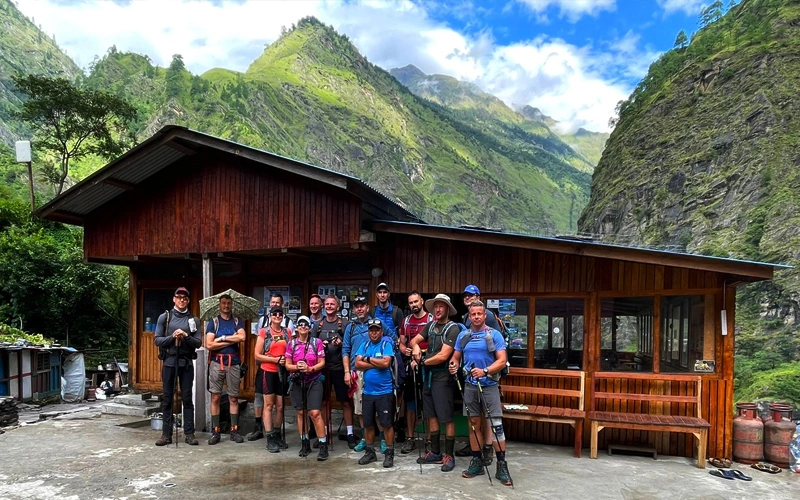
The Manaslu Circuit Trek feels different almost from the start. You move through remote valleys and traditional mountain villages, with the Tibetan influence becoming more obvious as you climb. The vegetation gradually disappears, the mountains get bigger, the walking gets tougher, and eventually Larke La is sitting there waiting for you. It’s the sort of route where the journey itself becomes a big part of the reason for going.
The character of the route
The Manaslu Circuit feels less like a pilgrimage toward one famous destination and more like a journey through a mountain region that keeps changing around you. The landscape moves from green hills to river valleys, then pine forests, then high mountain terrain, and finally Tibetan-influenced scenery. It rewards people who enjoy the walking itself.
Manaslu Circuit altitude
The route starts at much lower elevations, then climbs gradually. The Samagaun area, around 3,500 m, is the main stop for acclimatization. After that you go higher to Dharamsala, make the Larke La crossing at roughly 5,100 m or more, and drop down toward the Annapurna side.
Permits and restricted-area requirements
This is where Manaslu gets a little more complicated than Everest or Annapurna. Parts of the route fall inside a restricted area, so you can’t just turn up and sort everything out as you go. You’ll need the relevant restricted-area permit, and current trekking rules also cover guide and TIMS requirements. The important bit is simple: don’t rely on an old blog post for the paperwork. Permit fees and trekking rules can change, so check the current requirements with your trekking agency before you book.
Manaslu Circuit Trek: Practical 14-Day Route
Use this as a planning framework rather than a fixed timetable. Roadheads and transport can change.
Day 1: Kathmandu arrival and preparation
Day 2: Kathmandu to Machha Khola
This is a long road day. Expect bumpy roads and plenty of waiting around.
Day 3: Machha Khola to Jagat
Day 4: Jagat to Deng
Day 5: Deng to Namrung
The scenery and the culture both start to feel different from here.
Day 6: Namrung to Samagaun
Day 7: Acclimatization around Samagaun
Take a local walk, climb a little higher than where you’ll sleep, then come back. Gradual exposure does the work.
Day 8: Samagaun to Samdo
Day 9: Samdo to Dharamsala
This day is short on purpose. You want to arrive at high camp with energy left, not drained.
Day 10: Dharamsala to Larke La to Bimthang
The big crossing day. Start early, move steadily, and expect a long descent after the pass.
Day 11: Bimthang to Dharapani
Day 12: Dharapani toward the lower Annapurna side
Day 13: Road transfer toward Pokhara
Day 14: Pokhara
Annapurna Circuit Trek Overview
Why the Annapurna Circuit feels different
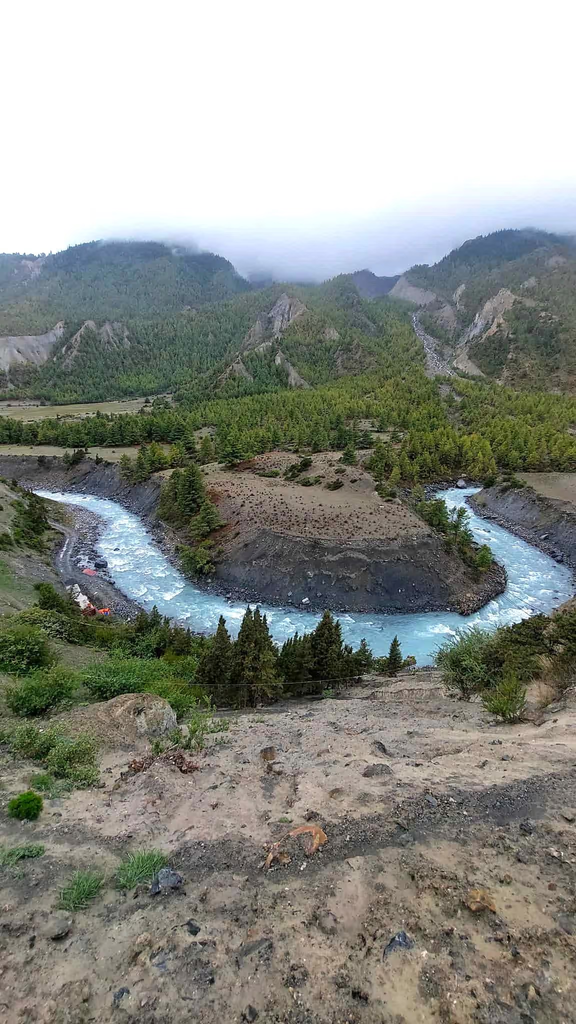
The Annapurna Circuit Trek is probably the biggest change-of-scenery trek of the three. You can start among green, subtropical valleys and forests, move through dramatic river gorges, reach Manang and then suddenly find yourself surrounded by high alpine terrain. Cross Thorong La and the scenery changes again, becoming dry, open and almost desert-like in places. It’s one of those treks where you can look back after a few days and wonder how the landscape changed so much. Nepal Tourism Board describes the Annapurna region as holding strong contrasts, from forested middle mountains to high Himalayan and trans-Himalayan landscapes.
Kathmandu and Pokhara connection
Kathmandu is normally your international arrival point, but Pokhara matters a lot for Annapurna travel. Roads have changed how people approach parts of the circuit, so itinerary length varies quite a bit between operators and travellers.
Annapurna Circuit altitude
The main stops are Chame, Pisang and Manang, where most people acclimatize at around 3,500 m. Then comes Thorong Phedi or High Camp, the Thorong La crossing at roughly 5,400 m or more, Muktinath, and the descent toward Jomsom.
Who is the Annapurna Circuit suited to?
It works well if you love landscape variety, don’t specifically need the Everest region, enjoy villages and culture, and can stay flexible about road transport.
Annapurna Circuit Trek: Practical 12-Day Route
The modern Annapurna Circuit isn’t the same as older trekking reports describe. Roads and transport have altered sections of the route, so understand what kind of trek you’re signing up for.
Day 1: Kathmandu to Pokhara
You can go by road or by flight. Pokhara deserves more than a transit stop.
Day 2: Pokhara to Dharapani / Chame area
Mostly road travel, which can be slow.
Day 3: Chame to Pisang
Day 4: Pisang to Manang
Day 5: Acclimatization in Manang
Do a short local hike and rest properly.
Day 6: Manang to Yak Kharka
Day 7: Yak Kharka to Thorong Phedi
Day 8: Thorong Phedi to Thorong La to Muktinath
For many trekkers this is the hardest day: an early start, thin air, cold, and a long descent into Muktinath.
Day 9: Muktinath to Jomsom / lower Mustang
Day 10: Jomsom to Pokhara
Day 11: Pokhara rest and exploration
Day 12: Pokhara to Kathmandu
Kathmandu and Pokhara: How They Fit Into Your Trek
Kathmandu before the trek
Give yourself an arrival buffer. Use it for gear shopping, permits, your briefing and recovering from the flight.
Pokhara before or after the trek
It matters most for Annapurna, but it’s also a good place to recover, with a relaxed lakeside feel and useful transport links.
Don’t make the schedule too tight
Leave contingency time for weather, road delays, mountain flights and unexpected changes on the trail.
Best Time for Everest, Manaslu and Annapurna
What is the best season for trekking in Nepal? For these three routes, spring and autumn are commonly used trekking periods, but conditions vary by altitude, route and weather. Nepal Tourism Board identifies March–May and September–November as important trekking periods for the Annapurna region.
| Season | Everest | Manaslu | Annapurna | Main consideration |
| Spring | Good trekking window | Good | Good | Clearer mountain conditions, warming temperatures |
| Monsoon | More weather challenges | More challenging | Variable by section | Rain, clouds, landslides |
| Autumn | Strong trekking period | Strong trekking period | Strong trekking period | Popular and busier |
| Winter | Cold, high snow | High-pass conditions | High-altitude snow | Route conditions need closer checking |
Spring
Temperatures start to warm and mountain views are often clear. It’s a popular window for all three routes.
Autumn
Another strong period, and generally the busiest. Book early if you want specific teahouses or dates.
Monsoon
Expect rain, cloud cover and possible landslides. It can be done on some routes, but it needs route-specific planning.
Winter
Cold, with snow around the high sections. Check pass conditions carefully before committing.
Nepal Trekking Permits: What You Actually Need to Know
TIMS
TIMS is one of those bits of trekking paperwork that isn’t particularly exciting, but you definitely don’t want to discover you’ve got it wrong once you’re in Nepal. Current Nepal Tourism Board guidance lists Everest Base Camp, Manaslu Circuit and Annapurna Circuit among the routes covered by guide and TIMS requirements. The rules can change, though, so check the latest requirements before you travel rather than trusting a five-year-old trekking blog.
National park and conservation area entry
The Everest route runs through the Sagarmatha region, while Annapurna sits inside the Annapurna Conservation Area. Each has its own entry fee, so check current amounts rather than relying on old blog posts.
Manaslu restricted-area permit
This is the big difference. Manaslu requires a special restricted-area permit on top of the usual paperwork, with fees varying by season.
Why permits should be arranged through the right channel
For most travellers, the easiest way to deal with all this paperwork is through a licensed trekking agency. It means someone who knows the current rules can sort the permits, guide arrangements and transport instead of you trying to piece everything together from different websites. If you’re booking a guided trek, make sure the operator can clearly explain which permits are included and what’s still your responsibility.
Altitude Guide: The Part You Shouldn’t Treat Casually
| Place | Approx. elevation | Why it matters |
| Kathmandu | ~1,300 m | Starting point |
| Namche | ~3,440 m | Major Everest acclimatization point |
| Dingboche | ~4,400 m | High-altitude acclimatization |
| Gorakshep | ~5,160 m | Very high sleeping elevation |
| Everest Base Camp | ~5,364 m | Trek destination |
| Kala Patthar | ~5,545 m | High viewpoint |
| Manang | ~3,500 m | Major acclimatization area |
| Larke La | ~5,100+ m | Highest Manaslu crossing |
| Thorong La | ~5,400+ m | Highest Annapurna crossing |
Why acclimatization matters
Your body needs time to adjust to thinner air. Climb gradually, sleep lower than your highest point when you can, drink water and don’t skip rest days. Going faster doesn’t make you tougher, it just raises the risk.
Warning signs travelers shouldn’t ignore
A persistent headache, unusual nausea, dizziness, severe fatigue or difficulty breathing should all be taken seriously. Tell your guide straight away. Sometimes the right move is to stop climbing, and sometimes it’s to go down.
What the Three Routes Feel Like on the Ground
Everest
It feels like moving deeper into the Khumbu a little each day. Yak trains pass on narrow trails, prayer flags flap over suspension bridges, and teahouse mornings start cold and smell of tea.
Manaslu
Remote, and often quiet. Stone villages, long walking days, and terrain that changes under your boots as vegetation thins out and the mountains close in.
Annapurna
The contrast is the story. One week you’re in green valleys, then you’re up in cold, dry, wind-scraped country. The weather can swing quickly, and so can your mood.
Practical Tips That Actually Make These Treks Easier
Build buffer days into the itinerary
Lukla flights, road journeys, weather and high-pass days can all slip. An extra day or two saves a lot of stress.
Don’t race the altitude
Adding unnecessary distance or cutting rest days is a bad trade. You’ll enjoy the trek more if you arrive at each stop feeling decent.
Pack for changing temperatures
Bring layers, a waterproof outer shell, a warm sleeping system, proper trekking shoes, gloves and sun protection. Mornings and evenings can feel very different from midday.
Carry enough water and treat it properly
Use a reliable treatment method and don’t let yourself get dehydrated.
Don’t underestimate downhill walking
Long descents are hard on tired knees, often harder than people expect. Trekking poles help.
Keep cash available
Remote areas may have limited payment options, and ATMs aren’t reliable up high.
Listen to your guide
Especially around weather, high passes, altitude symptoms and route changes. They’ve seen these situations many times.
Common Planning Mistakes to Avoid
Trying to complete a major route too quickly
If an itinerary is technically possible in fewer than 10 days, that doesn’t automatically make it a sensible itinerary for most travelers.
Treating Kathmandu, Pokhara and the trek as one fixed schedule
Something will move. Build in room for it.
Ignoring flight and road uncertainty
Delays are normal, not unusual.
Comparing trek difficulty only by total distance
Altitude, pass crossings and remoteness matter at least as much.
Assuming physical fitness eliminates altitude risk
It helps, but it doesn’t remove the risk.
Which Itinerary Length Makes Sense?
These are planning ranges, not official durations.
| Trek | Suggested planning range | Main reason |
| Everest Base Camp | 12–14+ days | Acclimatization and Lukla logistics |
| Manaslu Circuit | 14–18+ days | Remote route, Larke La and road logistics |
| Annapurna Circuit | 10–14+ days | Road access changes route length |
Aggressive sub-10-day itineraries exist as commercial products. Just understand what’s being compressed or removed before you sign up.
Final Takeaway: Three Routes, Three Different Reasons to Go
Everest Base Camp Trek: for the classic Everest and Khumbu experience.
Manaslu Circuit Trek: for a more remote-feeling Himalayan circuit and the Larke La crossing.
Annapurna Circuit Trek: for major landscape and cultural changes across one journey.
The most useful question isn’t really “Which Nepal trek is best?” It’s “What do I want the trek itself to feel like?” If you want the famous Everest experience, you already know where to look. If you want something quieter and more remote, Manaslu makes sense. If constantly changing scenery is what gets you excited, Annapurna has plenty of it. Once you work out what you actually want from the walking, choosing between the three becomes a lot easier.
Frequently Asked Questions About Nepal’s Three Classic Treks
1. Which is easier, Everest Base Camp, Manaslu Circuit or Annapurna Circuit?
There’s no universal winner. Everest has good infrastructure but sustained high altitude. Manaslu is remote with a high pass. Annapurna has a high pass too, but road access changes parts of the route. Acclimatization matters on all three.
2. How many days do you need for the Everest Base Camp Trek?
Plan on 12–14+ days. That gives you time for acclimatization and for Lukla flight uncertainty.
3. Is the Manaslu Circuit Trek harder than Everest Base Camp?
It can feel harder because of Larke La, remoteness, simpler trail infrastructure and the need for careful acclimatization. Everest sleeps higher for longer, though. They’re hard in different ways.
4. Do I need a guide and TIMS card for these treks?
Nepal Tourism Board’s current guidance lists all three routes among those requiring guide and TIMS arrangements. Confirm current rules before you travel.
5. Can I include Kathmandu and Pokhara in my Nepal trekking itinerary?
Yes. Kathmandu is the natural arrival and departure point, and Pokhara is especially useful for Annapurna travel.
6. What is the best time to trek Everest Base Camp, Manaslu and Annapurna?
Spring and autumn are the usual answers. Conditions can still change, and monsoon or winter trips need route-specific planning.
Remember, never travel without travel insurance! And never overpay for travel insurance!
I use HeyMondo. You get INSTANT quotes. Super cheap, they actually pay out, AND they cover almost everywhere, where most insurance companies don't (even places like Central African Republic etc!). You can sign-up here. PS You even get 5% off if you use MY LINK! You can even sign up if you're already overseas and traveling, pretty cool.
Also, if you want to start a blog...I CAN HELP YOU!
Also, if you want to start a blog, and start to change your life, I'd love to help you! Email me on johnny@onestep4ward.com. In the meantime, check out my super easy blog post on how to start a travel blog in under 30 minutes, here! And if you just want to get cracking, use BlueHost at a discount, through me.
Also, (if you're like me, and awful with tech-stuff) email me and my team can get a blog up and running for you, designed and everything, for $699 - email johnny@onestep4ward.com to get started.
Do you work remotely? Are you a digital nomad/blogger etc? You need to be insured too.
I use SafetyWing for my digital nomad insurance. It covers me while I live overseas. It's just $10 a week, and it's amazing! No upfront fees, you just pay week by week, and you can sign up just for a week if you want, then switch it off and on whenever. You can read my review here, and you can sign-up here!





 As you know, blogging changed my life. I left Ireland broke, with no plan, with just a one-way ticket to Thailand
and no money. Since then, I started a blog, then a digital media company, I've made
more than $1,500,000 USD, bought 4 properties and visited (almost) every country in the world. And I did it all from my laptop as I
travel the world and live my dream. I talk about how I did it, and how you can do it too, in my COMPLETELY FREE
Ebook, all 20,000
words or so. Just finish the process by putting in your email below and I'll mail it right out to you immediately. No spam ever too, I promise!
As you know, blogging changed my life. I left Ireland broke, with no plan, with just a one-way ticket to Thailand
and no money. Since then, I started a blog, then a digital media company, I've made
more than $1,500,000 USD, bought 4 properties and visited (almost) every country in the world. And I did it all from my laptop as I
travel the world and live my dream. I talk about how I did it, and how you can do it too, in my COMPLETELY FREE
Ebook, all 20,000
words or so. Just finish the process by putting in your email below and I'll mail it right out to you immediately. No spam ever too, I promise!