


Bali Yoga Retreat Advice: How to Choose the Right One for You
Type “yoga retreat” and “Bali” into a search bar and you will get hundreds of results, most of them with the same photos: an open-air shala, a pool, someone in a white outfit looking at the jungle. They can’t all be right for you, and the differences that matter are rarely the ones in the pictures. After years of watching people arrive in Bali for their first retreat, a few things decide whether the week is great or just fine.
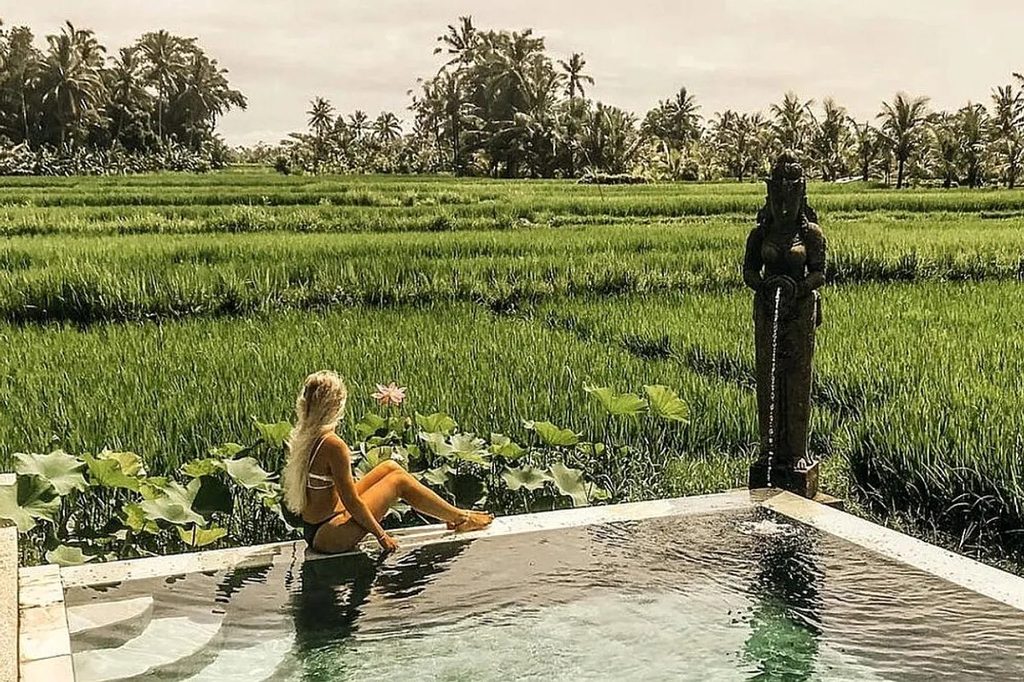
The first is where it is. Bali is small on a map but slow to get around, so the area you pick shapes the whole trip. Ubud and the villages around it are the island’s cultural heart, inland among the rice fields and temples, cooler in the evenings and quieter at night. Canggu and Uluwatu are on the coast, better if you want to surf between classes and have a busier social scene around you. Further north and east, places like Sidemen and Amed are calmer still, but you will spend more time in a car to see anything else. If it’s your first time and you want Bali’s culture as much as its yoga, the inland area around Ubud is hard to beat.
The second thing is size. A retreat with a hundred guests and five classes a day can feel like a resort with a timetable. A very small one can feel like a house share. Neither is wrong, but it’s worth knowing which one you want before you book. Smaller groups usually mean teachers who learn your name, meals where people actually talk, and an easier time if you are arriving on your own.
That leads to the third one: how the week is put together. Some retreats let you arrive any day and stay as long as you like. Others run as a fixed week, with everyone starting and finishing together. The flexible kind is ideal for people who want to squeeze in a few yoga days on a longer trip. The fixed kind is usually better if you’re travelling solo, because you go through the week with the same lot and the friendships come a lot more easily.
Then have a good look at what’s actually in the headline price, as that can mean very different things. Some places include everything: room, all meals, all the classes and all the outings. Others charge separately for food, transfers and excursions, and those little extras all add up pretty quickly in Bali. Ask whether airport pickup is included, how many meals a day you get, and whether the cultural trips are part of the programme or optional add-ons. A retreat that looks cheaper on paper can end up costing more.
Be honest with yourself about where you are and what you’re really hoping for. If you’ve never done yoga, look for a place that welcomes beginners and has gentler classes, not one aimed at people training to teach. If you want rest more than discipline, avoid places with early starts and long silent periods. And if you are curious about Bali itself, choose a retreat that gets you out of the gate: to temples, to villages, to a cooking class, to a ceremony if there’s one happening nearby. Some of the very best moments of a week in Bali happen off the mat.
Food is more important than people realise. A week of good, fresh local food is one of the pleasures of Bali and it changes your mood by the middle of the week. Many retreats cook vegetarian, often Balinese style with lots of fruit, rice, tempeh and vegetables. If you have dietary needs, ask before you book rather than when you get there.
Timing is worth a thought as well. The dry season runs roughly from April to October and is the most popular time to go. The wetter months, from about November to March, usually bring heavy rain in the afternoon rather than all day and the rice fields are at their greenest. July, August and the Christmas holidays are the busiest periods, so book further ahead if you’re travelling then.
Ultimately, just read the reviews from people like you. A glowing review from a yoga teacher on a training course doesn’t really tell you much at all if you’re a beginner travelling on your own. Look for reviews that mention the group, the teachers by name, the food and what the days actually felt like. Photos tell you what a place looks like; reviews tell you what it’s like to be there.
As one example of what a small, all-inclusive week can look like, Firefly Retreat is a Bali yoga retreat in the rice fields just outside Ubud. It has been running since 2013 and has welcomed over 9,000 guests (the majority of them solo travellers). Everyone arrives on a Sunday and leaves on Saturday, so the group spends the week together. The days combine daily yoga and meditation with vegetarian meals, a Balinese cooking class and outings to temples and villages, and with 15 rooms and no more than 20 guests at a time it’s very much a personal rather than a busy operation.
Whichever one you go with, just leave room in the week. Don’t book every massage and every excursion before you arrive. The best part of a yoga retreat in Bali is often the unplanned afternoon: a long lunch with people you met three days ago, a walk through the rice fields, or just sitting by the pool listening to the rain.
Remember, never travel without travel insurance! And never overpay for travel insurance!
I use HeyMondo. You get INSTANT quotes. Super cheap, they actually pay out, AND they cover almost everywhere, where most insurance companies don't (even places like Central African Republic etc!). You can sign-up here. PS You even get 5% off if you use MY LINK! You can even sign up if you're already overseas and traveling, pretty cool.
Also, if you want to start a blog...I CAN HELP YOU!
Also, if you want to start a blog, and start to change your life, I'd love to help you! Email me on johnny@onestep4ward.com. In the meantime, check out my super easy blog post on how to start a travel blog in under 30 minutes, here! And if you just want to get cracking, use BlueHost at a discount, through me.
Also, (if you're like me, and awful with tech-stuff) email me and my team can get a blog up and running for you, designed and everything, for $699 - email johnny@onestep4ward.com to get started.
Do you work remotely? Are you a digital nomad/blogger etc? You need to be insured too.
I use SafetyWing for my digital nomad insurance. It covers me while I live overseas. It's just $10 a week, and it's amazing! No upfront fees, you just pay week by week, and you can sign up just for a week if you want, then switch it off and on whenever. You can read my review here, and you can sign-up here!









 As you know, blogging changed my life. I left Ireland broke, with no plan, with just a one-way ticket to Thailand
and no money. Since then, I started a blog, then a digital media company, I've made
more than $1,500,000 USD, bought 4 properties and visited (almost) every country in the world. And I did it all from my laptop as I
travel the world and live my dream. I talk about how I did it, and how you can do it too, in my COMPLETELY FREE
Ebook, all 20,000
words or so. Just finish the process by putting in your email below and I'll mail it right out to you immediately. No spam ever too, I promise!