

How to Build Confidence Before Climbing Mount Meru
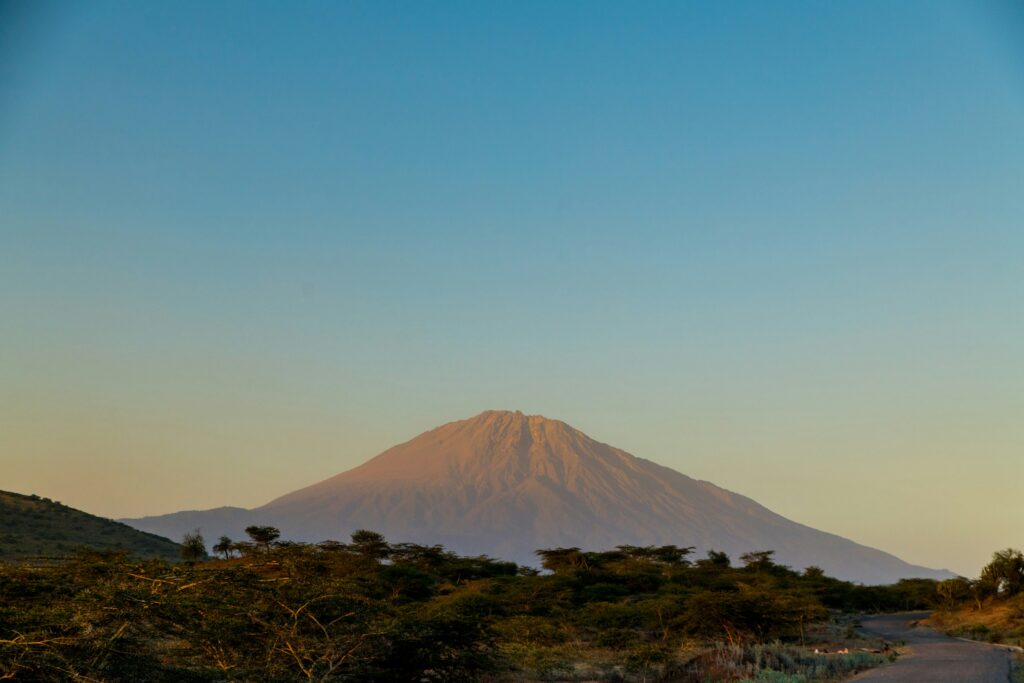
Climbing Mount Meru has a funny way of sneaking up on people. On paper, it’s often framed as Kilimanjaro’s, one of the seven summits, “warm-up”—shorter, less famous, less talked about. On the trail, though, Meru feels like a real mountain: steep ascents, shifting weather, thin air near the summit, and long days that punish sloppy preparation. The good news? Confidence on Meru isn’t something you either have or don’t have. It’s something you build—deliberately—well before you set foot on the first switchback.
Below are practical, field-tested ways to arrive at the trailhead feeling ready, not rattled.
Table of contents
- How to Build Confidence Before Climbing Mount Meru
- Understand What You’re Actually Training For
- Build Physical Readiness Without Overcomplicating It
- Rehearse Altitude Smartly (Even If You Live at Sea Level)
- Prepare Your Mind for the Moments That Usually Trigger Doubt
- Dial in Gear to Remove Avoidable Stress
- Make Logistics Boring (That’s the Goal)
- A Simple Confidence Test the Week Before You Go
- Final Thoughts: Confidence Comes From Evidence
Understand What You’re Actually Training For
Confidence often collapses when expectations don’t match reality. Meru’s challenge isn’t a single dramatic obstacle; it’s the combination of sustained climbing, altitude, and pacing over consecutive days.
Know the demands of the route
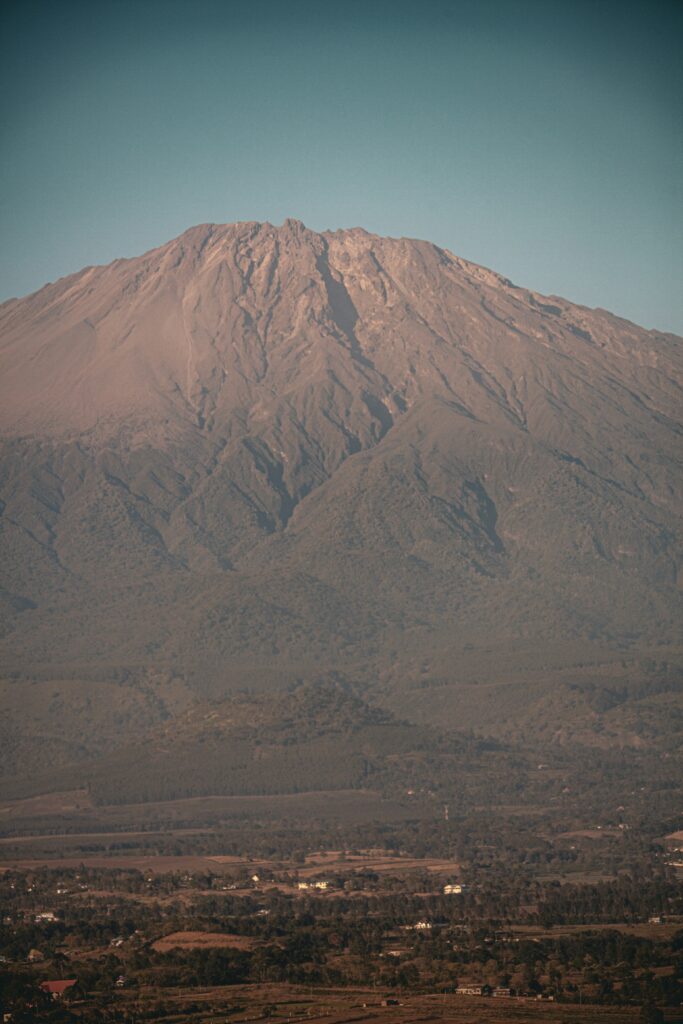
Most itineraries include a steady climb through forest into higher alpine terrain, then a summit push that starts very early. That summit day is where nerves creep in: headlamps, cold air, and the feeling that you’re moving slowly even when you’re working hard (altitude will do that).
A simple mental shift helps: don’t train for “a summit.” Train for three to five long days of movement, including one very early start, and you’ll feel calmer when the schedule gets real.
Use time-on-feet as your main metric
If you only do short, intense workouts, Meru can feel like a shock. What matters more is your ability to walk for hours, recover, and do it again tomorrow.
Build Physical Readiness Without Overcomplicating It
You don’t need elite fitness, but you do need reliable legs and lungs.
Prioritise hiking specificity
If you can, hike on weekends with a small pack and increase duration gradually. If you can’t reach trails, stair sessions and incline treadmill work are strong substitutes. Aim to be comfortable with:
- 2–4 hours of continuous uphill effort at a sustainable pace
- Downhill conditioning, which is where many knees and quads get humbled
- Core and hip strength, which stabilises you when the trail gets uneven
(That’s your single bullet list—keep it simple and measurable.)
Practice pacing, not just pushing
A common confidence killer is starting too fast. On Meru, “strong” hikers sometimes burn out early, then spend the rest of the day doubting themselves. Train with a conversational pace and learn what “steady” feels like. If you can finish a long session thinking, “I could keep going,” you’re training the right system.
Rehearse Altitude Smartly (Even If You Live at Sea Level)
Altitude anxiety is real, mostly because it feels unpredictable. The truth is you can reduce uncertainty with a few smart habits.
Learn the early signs—and respond early
You don’t need to memorise a medical textbook. You do need to recognise when you’re shifting from “normal exertion” to “altitude is affecting me.” Headache, nausea, unusual fatigue, poor sleep—these are cues to slow down, hydrate, and communicate. Quiet suffering erodes confidence fast; proactive adjustments build it.
Stack the deck with acclimatisation-friendly choices
A well-planned itinerary, conservative ascent rates, and good pacing go further than any magic trick. If Climbing Mount Meru is part of a longer Tanzania plan, it can also be a meaningful acclimatisation climb before bigger objectives.
If you’re comparing route structures, daily distances, and what support looks like, it helps to read a clear outline of what’s involved to trek the slopes of Tanzania’s Mount Meru—not as a shortcut, but as a reality check for your training and expectations.
Prepare Your Mind for the Moments That Usually Trigger Doubt
Most confidence issues on mountains don’t come from weakness; they come from surprise. Reduce surprises, and you reduce anxiety.
Visualise “friction points”
Think through the moments where people commonly wobble mentally:
- Waking up in the dark for summit day
- Cold hands while trying to adjust gear
- Feeling slower than usual
- Not being hungry but needing to eat
- A sudden weather change
You’re not trying to scare yourself—you’re rehearsing calm responses. A useful question: What will I do when this happens? Even a basic plan (“add a layer, sip water, take 10 slower steps, then reassess”) keeps you in control.
Use “micro-goals” to stay present
On summit day, “the top” can feel far away. Break it down: the next bend, the next rest stop, the next 20 minutes. Confidence grows when your brain collects small wins.
Dial in Gear to Remove Avoidable Stress
Gear won’t carry you to the summit, but bad gear can ruin your headspace.
Break in footwear and test layers
Blisters and cold are morale killers because they feel preventable—because they are. Wear your boots on long walks. Test socks. Make sure you know how your layering system works when you stop moving (when you’ll feel coldest).
Pack for stability, not “what if”
Overpacking makes you tired; underpacking makes you anxious. The sweet spot is a system you’ve tested. If you’re unsure, do a few training hikes with the pack weight you expect to carry and tweak until it feels routine.
Make Logistics Boring (That’s the Goal)
When logistics are chaotic, everything feels harder—sleep, appetite, mindset, even breathing.
Protect sleep and hydration before the climb
Arrive with time to settle in. Build a boring routine: early dinner, water, gear check, lights out. The night before the first hiking day isn’t when you want to be improvising.
Agree on communication norms
If you’re trekking with others, talk about pacing, rest breaks, and how you’ll handle someone feeling unwell. Confidence increases when you know you can speak up without “ruining the plan.”
A Simple Confidence Test the Week Before You Go
Try this: schedule a long walk or hike (2–4 hours), then get up the next morning and do a shorter one. You’re not chasing speed—you’re testing recovery. If you can do day two without feeling wrecked, you’re close to Climbing Mount Meru-ready. If you struggle, don’t panic; adjust training, focus on sleep, and keep your intensity moderate.
Final Thoughts: Confidence Comes From Evidence
The most durable confidence isn’t motivational—it’s earned. Each training hike, each gear test, each smart decision around pacing becomes evidence that you can handle what Climbing Mount Meru asks of you. And when the mountain inevitably throws a curveball—a colder-than-expected morning, a slower stretch near altitude—you’ll have something better than hype.
You’ll have proof.
Remember, never travel without travel insurance! And never overpay for travel insurance!
I use HeyMondo. You get INSTANT quotes. Super cheap, they actually pay out, AND they cover almost everywhere, where most insurance companies don't (even places like Central African Republic etc!). You can sign-up here. PS You even get 5% off if you use MY LINK! You can even sign up if you're already overseas and traveling, pretty cool.
Also, if you want to start a blog...I CAN HELP YOU!
Also, if you want to start a blog, and start to change your life, I'd love to help you! Email me on johnny@onestep4ward.com. In the meantime, check out my super easy blog post on how to start a travel blog in under 30 minutes, here! And if you just want to get cracking, use BlueHost at a discount, through me.
Also, (if you're like me, and awful with tech-stuff) email me and my team can get a blog up and running for you, designed and everything, for $699 - email johnny@onestep4ward.com to get started.
Do you work remotely? Are you a digital nomad/blogger etc? You need to be insured too.
I use SafetyWing for my digital nomad insurance. It covers me while I live overseas. It's just $10 a week, and it's amazing! No upfront fees, you just pay week by week, and you can sign up just for a week if you want, then switch it off and on whenever. You can read my review here, and you can sign-up here!


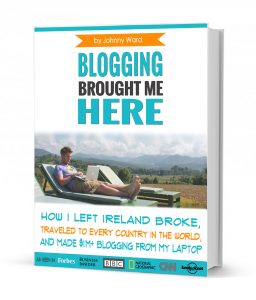 As you know, blogging changed my life. I left Ireland broke, with no plan, with just a one-way ticket to Thailand
and no money. Since then, I started a blog, then a digital media company, I've made
more than $1,500,000 USD, bought 4 properties and visited (almost) every country in the world. And I did it all from my laptop as I
travel the world and live my dream. I talk about how I did it, and how you can do it too, in my COMPLETELY FREE
Ebook, all 20,000
words or so. Just finish the process by putting in your email below and I'll mail it right out to you immediately. No spam ever too, I promise!
As you know, blogging changed my life. I left Ireland broke, with no plan, with just a one-way ticket to Thailand
and no money. Since then, I started a blog, then a digital media company, I've made
more than $1,500,000 USD, bought 4 properties and visited (almost) every country in the world. And I did it all from my laptop as I
travel the world and live my dream. I talk about how I did it, and how you can do it too, in my COMPLETELY FREE
Ebook, all 20,000
words or so. Just finish the process by putting in your email below and I'll mail it right out to you immediately. No spam ever too, I promise!