

Gambling Abroad: What Actually Changes When You Leave Canada?
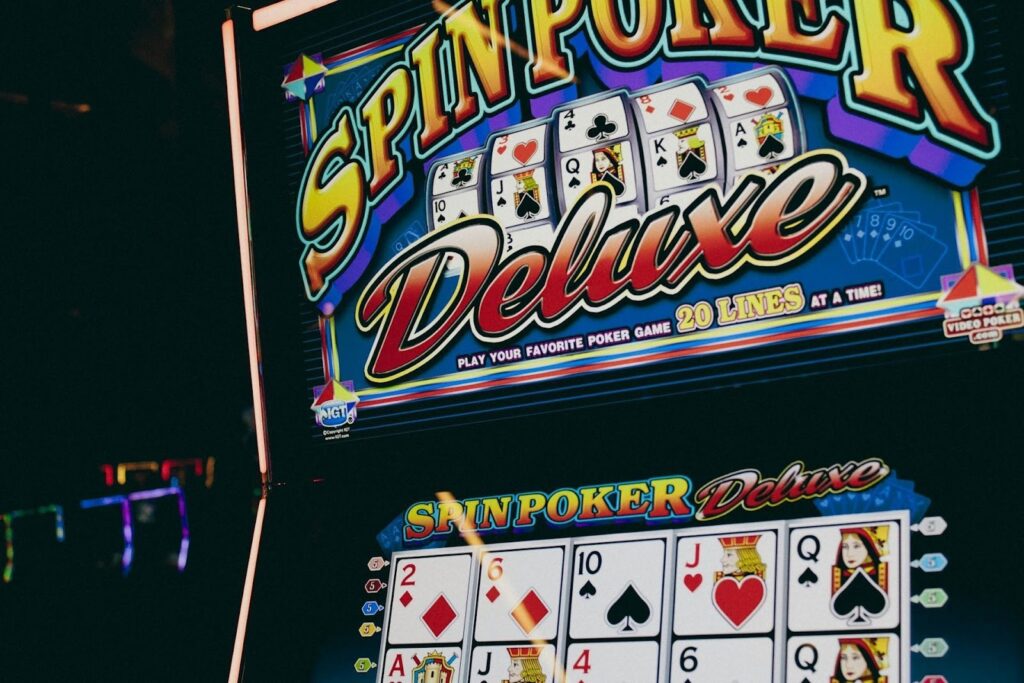
Canada’s iGaming sector is experiencing genuine momentum. With the 2026 World Cup set to bring unprecedented attention to North American markets, revenue projections are climbing toward US$10.85bn.
The rise of mobile technology has made online casino gaming remarkably immersive. You can play blackjack on the subway or spin slots during your lunch break with graphics and gameplay that would’ve seemed like science fiction a decade ago.
Yet for all the convenience the leading online casinos provide in Canada, there’s something the digital realm can’t quite capture, the atmosphere of a real casino floor.
The weight of chips in your hand, the background symphony of slot machines, the collective intake of breath when the roulette ball settles. These sensory experiences have sustained a niche but devoted following of casino tourists who still crave the real thing.
Canada’s gambling landscape operates on a famously provincial model. What you can legally play, where you can play it, and who’s actually in charge shifts every time you cross a provincial boundary.
Once you leave the country entirely, the differences become even more pronounced. Here’s what casino-curious Canadians actually notice when they take their chips abroad.
Age Limits and ID Checks Tighten Up
Cross into Quebec and you’re gambling at 18. Drive to Ontario and suddenly you need to be 19. Internationally, though, age restrictions carry more weight and significantly more paperwork. Most countries enforce strict 18+ requirements with mandatory ID scanning at entry, not the casual glance at your driver’s licence you might experience at some Canadian venues.
Some destinations push higher. The United States requires 21 in most states, which catches out younger Canadians used to legal access at home.
Japan sets the bar at 20. Expect security checkpoints, bag searches, and organized queues that make wandering in on a whim considerably less spontaneous.
Sports Betting: A Completely Different Landscape
Single-event sports betting only became legal across Canada in 2021, which means the country is still finding its feet in a market that’s existed for decades elsewhere. Each province runs its own sportsbook operation, creating a fragmented landscape where offerings and odds vary by postal code.
In the UK, sports betting is woven into the social fabric. High street bookmakers line every town centre, pubs broadcast matches with live odds on screens, and football grounds feature betting partner advertisements across every surface, although front of shirt sponsors get banned at the end of this season.
In the States, the market has exploded since 2018, though availability remains a state-by-state lottery.
With the 2026 World Cup coming to Toronto and Vancouver, expect sports betting culture to receive a significant jolt as global audiences arrive with betting habits built over generations.
Culture Shifts
Canadian casinos follow a fairly consistent template. Many emerged through partnerships with First Nations communities or provincial corporations, creating resort-style destinations with expansive gaming floors, live entertainment, and relaxed dress codes. The vibe skews toward accessible tourism rather than exclusivity.
Internationally, casino culture changes dramatically. Las Vegas remains the capital of spectacle, where mega-resorts compete with 24/7 gaming and celebrity chef restaurants.
Macau offers high-roller culture driven almost entirely by baccarat, with facial recognition technology and oversight that makes Canadian regulation look relaxed.
Monte Carlo trades volume for prestige with enforced dress codes and old-world glamour to give it that James Bond vibe.
Even UK high-street casinos operate differently, serving neighbourhoods rather than tourists with smaller venues that rarely run 24/7.
Cruise Ships & International Waters: The Floating Loophole
Casino tourism loves a cruise ship. Once a boat sails beyond territorial waters, usually 12 nautical miles from shore, gambling laws shift to those of the vessel’s flag state.
Most cruise lines register under flags of convenience with notably relaxed regulations designed to facilitate onboard entertainment. It’s why casinos remain closed while docked, then spring to life the moment you hit open sea.
This creates a legal bubble where the country you’re gambling in is literally the ship itself. Age limits, game restrictions, and taxation rules all change based on maritime law rather than the coastline you’re sailing past.
It’s one of the few scenarios where leaving Canadian waters means entering significantly looser gambling territory.
The Big Picture for Travellers
Leaving Canada means stepping out of a provincial patchwork and into a world where gambling regulations follow entirely different logics.
Some countries centralise everything under tight government control. Others prohibit gambling entirely. Still others have elevated betting to a national pastime with its own rituals and social rhythms.
For casino-curious travellers, this variation is part of the appeal. The rules change, the culture changes, and the experience changes, sometimes dramatically.
You’re not just playing different games in different buildings but experiencing how different societies have answered fundamental questions about risk, entertainment, and regulation.
Just remember to check the local laws before you place that first bet. The “I didn’t know” defence works poorly in most jurisdictions.
Remember, never travel without travel insurance! And never overpay for travel insurance!
I use HeyMondo. You get INSTANT quotes. Super cheap, they actually pay out, AND they cover almost everywhere, where most insurance companies don't (even places like Central African Republic etc!). You can sign-up here. PS You even get 5% off if you use MY LINK! You can even sign up if you're already overseas and traveling, pretty cool.
Also, if you want to start a blog...I CAN HELP YOU!
Also, if you want to start a blog, and start to change your life, I'd love to help you! Email me on johnny@onestep4ward.com. In the meantime, check out my super easy blog post on how to start a travel blog in under 30 minutes, here! And if you just want to get cracking, use BlueHost at a discount, through me.
Also, (if you're like me, and awful with tech-stuff) email me and my team can get a blog up and running for you, designed and everything, for $699 - email johnny@onestep4ward.com to get started.
Do you work remotely? Are you a digital nomad/blogger etc? You need to be insured too.
I use SafetyWing for my digital nomad insurance. It covers me while I live overseas. It's just $10 a week, and it's amazing! No upfront fees, you just pay week by week, and you can sign up just for a week if you want, then switch it off and on whenever. You can read my review here, and you can sign-up here!








 As you know, blogging changed my life. I left Ireland broke, with no plan, with just a one-way ticket to Thailand
and no money. Since then, I started a blog, then a digital media company, I've made
more than $1,500,000 USD, bought 4 properties and visited (almost) every country in the world. And I did it all from my laptop as I
travel the world and live my dream. I talk about how I did it, and how you can do it too, in my COMPLETELY FREE
Ebook, all 20,000
words or so. Just finish the process by putting in your email below and I'll mail it right out to you immediately. No spam ever too, I promise!
As you know, blogging changed my life. I left Ireland broke, with no plan, with just a one-way ticket to Thailand
and no money. Since then, I started a blog, then a digital media company, I've made
more than $1,500,000 USD, bought 4 properties and visited (almost) every country in the world. And I did it all from my laptop as I
travel the world and live my dream. I talk about how I did it, and how you can do it too, in my COMPLETELY FREE
Ebook, all 20,000
words or so. Just finish the process by putting in your email below and I'll mail it right out to you immediately. No spam ever too, I promise!