

How Long-Term Travelers Keep Up With US Online Casinos From the Road
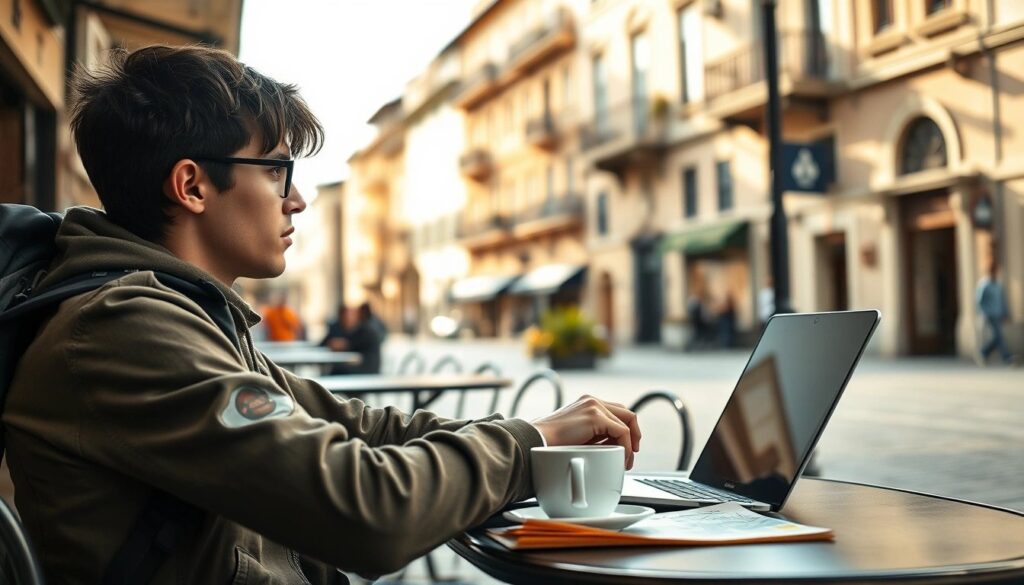
Travel long enough and your daily routines stop fitting neatly inside one country. You wake up to a different power outlet, a different currency, and a different set of rules about what you can do online. For travelers who follow US sports, watch the seasons from afar, or simply enjoy the occasional game of blackjack the way they would at home, the question of how to keep up with US online casinos from the road is more complicated than it looks. The answer is not just about finding a connection. It involves law, geography, payment systems, and a clear head about what is actually permitted where you sit.
This guide walks through the practical reality of following the US regulated online casino world while you live out of a backpack. It is written for people who have already accepted that the open road means trade-offs, and who would rather understand the rules than pretend they do not exist. If you want a starting point for understanding how the legal US market is structured, Lineups’s player resources for safe online casinos lay out which states permit real-money play and what licensing looks like, which is useful background before you make any assumptions about access from another country.
Table of contents
- How Long-Term Travelers Keep Up With US Online Casinos From the Road
- Why Location Is the Whole Story
- The Geolocation Wall You Will Hit
- Why Routing Around the Wall Is a Bad Idea
- What Travelers Can Actually Do Instead
- Money, Banking, and the Border Problem
- A Side-by-Side Look at the Trade-offs
- The Trap of Unlicensed Offshore Sites
- How Responsible Play Travels With You
- Planning Your Return to Permitted Play
- Keeping Perspective on the Road
- Frequently Asked Questions
- Can I play real-money US online casinos while traveling outside the country?
- Will a location-masking tool let me get around the geolocation check?
- What can I legally do related to US online casinos while abroad?
- Are offshore casino sites that accept international players a safe alternative?
- Why does banking get in the way even before gambling rules do?
Why Location Is the Whole Story
In the US, online casino gambling is not regulated at the national level. It is regulated state by state. As of 2026, only a handful of states permit real-money online casino play, and each runs its own licensing system, its own list of approved operators, and its own consumer protections. A platform licensed to operate in New Jersey is not automatically available to someone in Texas, and certainly not to someone sitting in a cafe in Lisbon or Chiang Mai.
This matters enormously for travelers because legal access depends on where your body and your device physically are, not on where you hold a passport or a bank account. Regulated operators use geolocation technology to confirm a player is inside a permitted state before allowing a deposit or a wager. The moment you cross a state line, and especially the moment you cross a national border, that permission usually disappears. There is no version of a regulated US online casino that is designed to serve a US citizen who is currently abroad.
Understanding this single fact saves a lot of frustration. The friction you feel as a traveler is not a bug in the system. It is the system working as intended.
The Geolocation Wall You Will Hit
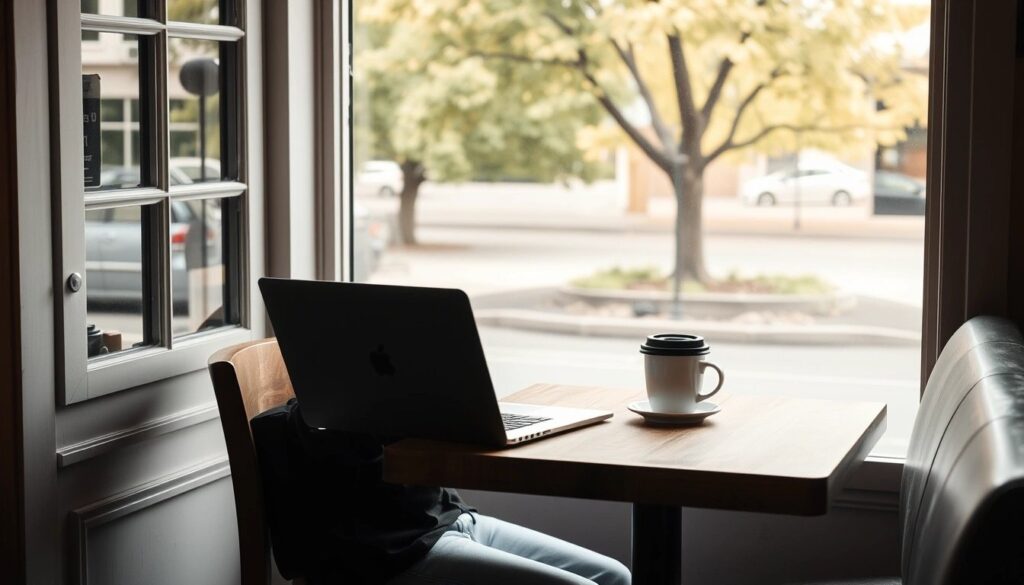
Geolocation is the technical backbone of legal US online gambling, and it is far more sophisticated than a simple check of your internet address. Licensed operators typically combine several signals to confirm your position. They look at GPS data on mobile devices, nearby wireless networks, cell tower triangulation, and the characteristics of your connection. They cross-reference these against each other to spot inconsistencies.
For a traveler, this means a few things in practice. First, even within the US, traveling from a permitted state to a neighboring one can lock you out mid-trip. Second, the systems are specifically built to detect and refuse connections that appear to come from one place while showing signs of originating somewhere else. The technology is designed to catch exactly the kind of workarounds people reach for when they are away.
Operators take this seriously because their licenses depend on it. A regulator can fine or suspend a platform that fails to keep out-of-jurisdiction players from wagering. The result is a tightly enforced barrier that does not bend for convenience or good intentions.
Why Routing Around the Wall Is a Bad Idea
The obvious temptation is to mask your location with a virtual private network and pretend you are still at home. This deserves a blunt answer: it is a poor plan that creates real risk for you and almost never delivers what you want.
Regulated operators explicitly prohibit the use of location-masking tools in their terms of service. Their detection systems are tuned to flag the signatures these tools leave behind. When an account is caught attempting to disguise its location, the common outcomes are account suspension, confiscation of any balance, and a permanent ban. Money sitting in a suspended account can be very difficult to recover, because the operator can argue you violated the terms you agreed to.
There is also a legal dimension that travelers underestimate. The rules of the country you are physically in may treat online gambling very differently from the US. Some destinations restrict or criminalize it outright. Routing a connection to appear domestic does not change the law of the place where you are actually located. You are not just risking an account. You may be putting yourself on the wrong side of local rules you did not research.
The honest conclusion is that the regulated US market is not built to be accessed from abroad, and trying to force it usually costs you money, access, or peace of mind.
What Travelers Can Actually Do Instead
Accepting the wall does not mean giving up on staying connected to the games and the wider world of US gaming. It means shifting from playing abroad to following, learning, and preparing for when you are back in a permitted location. There is a surprising amount you can do that is fully above board.
You can read and research. Tracking odds, studying how different state markets are structured, comparing operator features, and understanding promotional terms are all activities you can do from anywhere. None of that requires placing a wager. Many travelers find that the time away is actually well spent on learning the landscape so they make sharper decisions when they return home.
Following coverage is another option that costs nothing and breaks no rules. Recaps, analysis, and market news keep you in the loop on which states are moving toward legalization, which operators are launching, and how the rules are shifting. By the time you land back in a permitted state, you will know what changed while you were gone instead of starting cold.
You can also use the trip to set boundaries. Distance from your usual routine is a good moment to think about how gambling fits into your life and your travel budget. Setting deposit limits, reviewing your past activity, and deciding in advance what you will and will not do are the kind of habits that hold up far better than rules you invent in the moment.
Money, Banking, and the Border Problem
Even setting aside the gambling rules, travelers run into a second wall: banking. US financial institutions and payment processors apply their own location checks. A card transaction from an unexpected country can trigger a fraud hold. Some banking apps restrict access from abroad entirely. Payment methods commonly used for gambling deposits often refuse transactions that do not line up with an expected domestic pattern.
This overlaps with a broader issue that long-term travelers already know well, which is keeping your finances clean and compliant while you move between jurisdictions. The same care you apply to your income and reporting applies to discretionary spending too. OneStep4Ward’s guide to staying compliant while working remotely is a useful reminder that your tax residency, your reporting obligations, and where you are considered to be doing business do not vanish just because you are on the move. Gambling winnings, where they apply, are not exempt from that kind of thinking.
It also pays to map the practical side before you fly. Knowing which of your cards work abroad, which banking apps lock you out, and how long a fraud hold takes to clear can save you a tense afternoon in a foreign city. None of this is glamorous, but it is the kind of preparation that keeps the financial part of a long trip from turning into a recurring headache.
The takeaway is that money flows are watched from multiple directions at once. Trying to push a gambling deposit through from overseas can fail on the banking side even before it fails on the operator side.

A Side-by-Side Look at the Trade-offs
It helps to see the options laid out plainly. The table below compares the realistic choices a traveler faces when thinking about US online casinos from abroad.
| Approach | Legal standing | Practical outcome | Recommended |
|---|---|---|---|
| Wait until back in a permitted state | Fully compliant | Reliable access, no account risk | Yes |
| Research and track from abroad | Fully compliant | Stay informed, no wagering | Yes |
| Mask location to appear domestic | Violates operator terms, may breach local law | Account bans, frozen funds, legal exposure | No |
| Use an unlicensed offshore site | Outside US consumer protections | No recourse if funds disappear | No |
| Set limits and plan ahead while traveling | Fully compliant | Better decisions on return | Yes |
The pattern is clear. Every compliant option keeps your account, your money, and your record intact. Every shortcut trades a short-term convenience for an outsized long-term risk.
The Trap of Unlicensed Offshore Sites
When the regulated market locks them out, some travelers stumble onto offshore sites that claim to accept anyone, anywhere. These operate outside US licensing and outside the consumer protections that come with it. They may look polished and welcoming, which is part of the problem.
The core issue is recourse. If a licensed operator in a US state mishandles your funds or refuses a legitimate withdrawal, there is a regulator you can complain to and a legal framework that protects you. With an unlicensed offshore site, there is no such backstop. If your balance disappears or your withdrawal is denied, you have almost no realistic way to get your money back. The site may be based in a jurisdiction you cannot meaningfully reach.
Offshore platforms also tend to skip the responsible gambling tools that licensed operators are required to provide. The safeguards that exist for a reason in the regulated market are simply absent. For a traveler who is already dealing with unfamiliar surroundings and shaky connections, betting on a platform with no accountability is the worst of both worlds.
How Responsible Play Travels With You
The strongest reason to stay inside the regulated world is the protection it offers. The structure of legal US online gambling is built around player safeguards, and those safeguards do not exist by accident. Industry standards spell out exactly what operators should provide, from self-exclusion options and deposit limits to clear information that helps players make informed decisions.
The National Council on Problem Gambling publishes detailed internet responsible gambling standards that cover policy, staff training, self-exclusion, advertising, and site features. These standards are the kind of thing that quietly protects you whether you are at your kitchen table or back home after months on the road. They are also a reminder that the regulated market is built to keep players safe, which is exactly the value that vanishes when someone goes offshore or tries to slip past geolocation.
For travelers specifically, responsible play has an extra dimension. Time zones, irregular sleep, loneliness on the road, and the looseness that comes with being far from your normal accountability can all push people toward decisions they would not make at home. Carrying your own limits with you, and respecting the systems designed to enforce them, is part of traveling well.
Planning Your Return to Permitted Play
If following US online casinos matters to you, the smartest move is to treat it as something you resume when you are physically back in a permitted state, not something you smuggle across borders. Build that into your trip the same way you plan visas, vaccinations, and budgets.
Before you leave, note which states permit play and where you will actually be when you return. If you split time between a permitted state and one that does not allow online casino play, understand that your access will switch on and off accordingly. Keep your account details current so that when you are home and inside a permitted zone, everything works without a scramble.
Consider keeping a simple note of the dates you expect to be inside a permitted state, the same way you track flight times and visa windows. A short reminder beats relying on memory weeks into a trip when the days blur together. The point is not to obsess over it. It is to remove the small frustrations that tempt people into shortcuts in the first place.
Treating it this way removes the temptation to cut corners. You are not locked out forever. You are simply pausing an activity that belongs to a specific legal context, and picking it back up when you are inside that context again. For a lifestyle built on patience and adaptation, that framing fits naturally.
Keeping Perspective on the Road
For most long-term travelers, gambling is a small slice of a much larger life. The countries you cross, the people you meet, and the work that funds the journey matter far more than any single game. Keeping US online casinos in perspective is itself a form of responsible play. The road already asks a lot of your attention and your budget, and the regulated market makes a clean argument for itself: when you are home and inside a permitted state, the protections are real and the access is straightforward.
When you are abroad, the answer is to step back, stay informed, and wait. That is not a limitation imposed by bad luck. It is the natural result of a system that ties access to physical location for good reasons, and a traveler who understands those reasons will spend far less energy fighting them.
Frequently Asked Questions
Can I play real-money US online casinos while traveling outside the country?
No. Regulated US online casinos use geolocation to confirm you are physically inside a permitted state before allowing wagers. When you are abroad, that permission disappears, and there is no legitimate version of the regulated market designed to serve players located in another country.
Will a location-masking tool let me get around the geolocation check?
It is a bad idea. Operators prohibit these tools in their terms of service and run detection systems built to catch them. Getting flagged can mean a suspended account, confiscated funds, and a permanent ban, and it does not protect you from the gambling laws of the country you are actually in.
What can I legally do related to US online casinos while abroad?
You can research and track the market freely. Comparing how state markets are structured, studying operator features, reviewing promotional terms, and setting personal limits are all activities that do not involve placing a wager and carry no legal or account risk.
Are offshore casino sites that accept international players a safe alternative?
No. These sites operate outside US licensing and consumer protections, so if your funds disappear or a withdrawal is refused, you have almost no realistic way to recover your money. They also tend to skip the responsible gambling safeguards that licensed operators are required to provide.
Why does banking get in the way even before gambling rules do?
US banks and payment processors run their own location and fraud checks. A transaction from an unexpected country can be held or declined, and some banking apps restrict access from abroad entirely, so a gambling deposit can fail on the financial side before it ever reaches an operator.
Meta Title: US Online Casinos While Traveling: A Traveler’s Guide
Meta Description: Following US online casinos from abroad means geolocation walls, banking checks, and legal limits. Here is what travelers can and cannot do, plus safer options.
Remember, never travel without travel insurance! And never overpay for travel insurance!
I use HeyMondo. You get INSTANT quotes. Super cheap, they actually pay out, AND they cover almost everywhere, where most insurance companies don't (even places like Central African Republic etc!). You can sign-up here. PS You even get 5% off if you use MY LINK! You can even sign up if you're already overseas and traveling, pretty cool.
Also, if you want to start a blog...I CAN HELP YOU!
Also, if you want to start a blog, and start to change your life, I'd love to help you! Email me on johnny@onestep4ward.com. In the meantime, check out my super easy blog post on how to start a travel blog in under 30 minutes, here! And if you just want to get cracking, use BlueHost at a discount, through me.
Also, (if you're like me, and awful with tech-stuff) email me and my team can get a blog up and running for you, designed and everything, for $699 - email johnny@onestep4ward.com to get started.
Do you work remotely? Are you a digital nomad/blogger etc? You need to be insured too.
I use SafetyWing for my digital nomad insurance. It covers me while I live overseas. It's just $10 a week, and it's amazing! No upfront fees, you just pay week by week, and you can sign up just for a week if you want, then switch it off and on whenever. You can read my review here, and you can sign-up here!







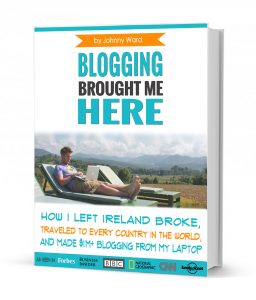 As you know, blogging changed my life. I left Ireland broke, with no plan, with just a one-way ticket to Thailand
and no money. Since then, I started a blog, then a digital media company, I've made
more than $1,500,000 USD, bought 4 properties and visited (almost) every country in the world. And I did it all from my laptop as I
travel the world and live my dream. I talk about how I did it, and how you can do it too, in my COMPLETELY FREE
Ebook, all 20,000
words or so. Just finish the process by putting in your email below and I'll mail it right out to you immediately. No spam ever too, I promise!
As you know, blogging changed my life. I left Ireland broke, with no plan, with just a one-way ticket to Thailand
and no money. Since then, I started a blog, then a digital media company, I've made
more than $1,500,000 USD, bought 4 properties and visited (almost) every country in the world. And I did it all from my laptop as I
travel the world and live my dream. I talk about how I did it, and how you can do it too, in my COMPLETELY FREE
Ebook, all 20,000
words or so. Just finish the process by putting in your email below and I'll mail it right out to you immediately. No spam ever too, I promise!