

How Traveling Solo Transforms Confidence and Life Perspective
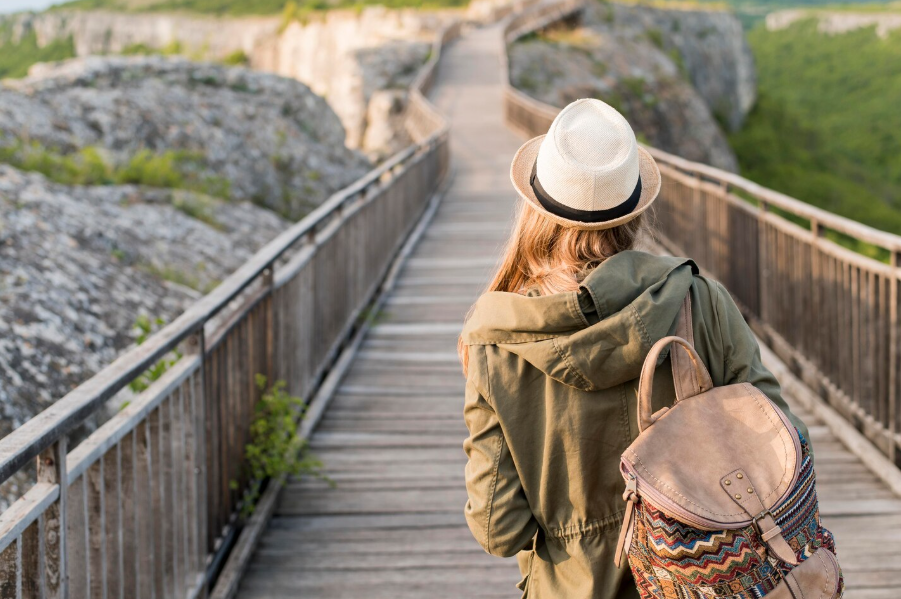
Traveling alone is no longer a rare choice. For many people, it is a deliberate way of living. Going solo means making plans without backup. This means choosing routes, budgets, and timing on your own. Each decision always carries clear results. There is no one else to blame or lean on.
This setting builds confidence slowly. It does not arrive on day one. It grows as small tasks are done. Buying tickets. Asking for directions. Solving problems in unfamiliar places.
Solo travel also shifts how people see each other. You listen more. You notice habits, rules, and rhythms. Cultural awareness comes from watching, not rushing. The perspective that forms is practical. It stays useful long after the end of the trip.
Table of contents
- How Traveling Solo Transforms Confidence and Life Perspective
- Why Students Often Choose to Travel Solo
- Learning Self-Reliance Through Daily Decisions Abroad
- Perspective Shifts Gained From Different Cultures
- Emotional Resilience and Comfort With Solitude
- Skills and Mindset Changes Developed
- Practical Insights
- Conclusion
Why Students Often Choose to Travel Solo
Students often travel alone because of their stage in life. Many are leaving home for the first time. They want to test independence in practical ways. Curiosity about all cultures also plays a role.
Classes, internships, and part time jobs are shaping how they see daily life. Schedules can be flexible between terms making short trips possible without long planning. Freedom comes with duty. Travel choices affect grades and deadlines. Missed lectures can be costly. Assignments, essays and other hometasks still need focus while on the move. Some students rely on fast essay help from StudyMoose when time gets tight. This support does not replace planning. Exams require steady study and clear priorities.
Time-management becomes the main challenge. Tickets, housing, and study blocks must fit together. Rest matters too. Students who balance these parts gain control. The habit stays useful after school ends. Costs need tracking. Safety rules need respect. Simple routines help keep work steady during travel.
Learning Self-Reliance Through Daily Decisions Abroad
Traveling alone means deciding without approval from others. There is no constant feedback. Each day brings small choices. Which bus to take. How much to spend on food. When to rest or keep moving. These moments seem minor, yet they add up.
Navigation tests patience. Budgeting tests honesty with limits. Communication tests clarity and calm. Mistakes happen. Missing a turn or overpaying is common. The key point is response.
This pattern supports autonomy. You act based on your own judgment. You see proof that you can do tasks on your own. Confidence forms through repetition, not bold acts.
Nothing here is dramatic. There are no heroic scenes. Progress always comes from routine decisions. Each solved trouble builds quiet trust. That trust remains useful long after travel ends.
Perspective Shifts Gained From Different Cultures
Spending time in other countries changes how people think. Daily habits can be unfamiliar. Shops may close earlier. Meals may follow different hours. Silence or direct speech may carry new meaning.
Observation becomes important. You watch how pedestrians greet each other, you listen to the tone and pauses. You notice how rules are followed or ignored. Comparison happens naturally. It is not about right or wrong. It is about difference and context.
Rigid views begin to soften. You learn that your own habits are not universal. Communication styles usually vary for clear reasons. Social expectations grow from history and local needs.
These processes support broader thinking. You pause before judging. You ask more questions. Listening replaces quick conclusions. The shift is quiet but lasting. It changes how you respond to people long after travel ends.
Emotional Resilience and Comfort With Solitude
Being alone in a new place tests emotions in quiet ways. There is no familiar support nearby. Feelings can rise during delays, confusion, or long evenings. Learning to handle these moments builds emotional regulation, and you notice stress earlier. You respond with calm choices.
Silence becomes part of the day. Waiting in lines. Eating alone. Walking without conversation. These pauses invite reflection. Thoughts surface without distraction. You learn which worries pass and which need action.
Solitude here is not isolation. You still interact with people. You just return to your own space after. This balance must support emotional strength. Discomfort does not disappear, it just becomes manageable. The result is steady confidence with being alone. Emotions feel clearer. Reactions feel measured. This comfort remains useful in daily life.
Skills and Mindset Changes Developed
Confidence does not appear at once. It grows through exposure and reflection. Each trip adds practice. Each return allows review of choices made, patterns become clear. Small wins always matter more than big moments. This steady process shapes skills and mindset.
| Aspect | Before Solo Travel | After Solo Travel |
| Decision making | Often unsure | More self directed |
| Planning habits | Loose and reactive | Clear and structured |
| Social contact | Limited to known groups | Comfortable starting talks |
| Problem response | Delay or stress | Calm assessment |
The table shows gradual change. Skills shift through use, not intention alone. Decisions become faster because they are familiar. Planning improves because mistakes were faced before. Social contact feels easier after repeated practice.
These changes aren’t fixed or guaranteed. Some days remain hard. Fatigue and doubt still appear. Yet the general direction is steady. Reflection helps to lock in lessons. You know what you can handle because you have done it before.
Practical Insights
Traveling alone works best with steady preparation. Planning can reduce stress before departure. Research transport options and local rules early. Keep copies of key documents. Share basic plans with someone you trust.
Safety awareness matters each day. Pay attention to surroundings. Avoid rushed choices when tired. Simple habits offer stability. Budgeting also needs care. Track spending budget in small steps. Leave room for delays or price changes.
Mental preparations are also important. Expect quiet moments and uncertainty, because these feelings are normal. They do not signal failure. Confidence is growing from handling them, not avoiding them.
There is no need to plan every hour. Leave space to adjust. Preparation gives a base to return to when plans shift. With that base, decisions feel lighter. Calm thinking replaces doubt. This approach helps steady confidence with clearer judgment.
Conclusion
Traveling alone supports confidence through repeated, quiet practice. Broader thinking develops as habits are questioned and adjusted. These changes build slowly over time. They are subtle and lasting. This path suits some people more than others, depending on your comfort, timing, and stage.
Remember, never travel without travel insurance! And never overpay for travel insurance!
I use HeyMondo. You get INSTANT quotes. Super cheap, they actually pay out, AND they cover almost everywhere, where most insurance companies don't (even places like Central African Republic etc!). You can sign-up here. PS You even get 5% off if you use MY LINK! You can even sign up if you're already overseas and traveling, pretty cool.
Also, if you want to start a blog...I CAN HELP YOU!
Also, if you want to start a blog, and start to change your life, I'd love to help you! Email me on johnny@onestep4ward.com. In the meantime, check out my super easy blog post on how to start a travel blog in under 30 minutes, here! And if you just want to get cracking, use BlueHost at a discount, through me.
Also, (if you're like me, and awful with tech-stuff) email me and my team can get a blog up and running for you, designed and everything, for $699 - email johnny@onestep4ward.com to get started.
Do you work remotely? Are you a digital nomad/blogger etc? You need to be insured too.
I use SafetyWing for my digital nomad insurance. It covers me while I live overseas. It's just $10 a week, and it's amazing! No upfront fees, you just pay week by week, and you can sign up just for a week if you want, then switch it off and on whenever. You can read my review here, and you can sign-up here!



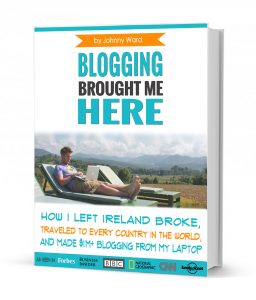 As you know, blogging changed my life. I left Ireland broke, with no plan, with just a one-way ticket to Thailand
and no money. Since then, I started a blog, then a digital media company, I've made
more than $1,500,000 USD, bought 4 properties and visited (almost) every country in the world. And I did it all from my laptop as I
travel the world and live my dream. I talk about how I did it, and how you can do it too, in my COMPLETELY FREE
Ebook, all 20,000
words or so. Just finish the process by putting in your email below and I'll mail it right out to you immediately. No spam ever too, I promise!
As you know, blogging changed my life. I left Ireland broke, with no plan, with just a one-way ticket to Thailand
and no money. Since then, I started a blog, then a digital media company, I've made
more than $1,500,000 USD, bought 4 properties and visited (almost) every country in the world. And I did it all from my laptop as I
travel the world and live my dream. I talk about how I did it, and how you can do it too, in my COMPLETELY FREE
Ebook, all 20,000
words or so. Just finish the process by putting in your email below and I'll mail it right out to you immediately. No spam ever too, I promise!