


Porto’s Douro Valley: Uncorking History in Portugal’s Wine Heartland
Step onto Porto’s riverside paths, where the salty Atlantic breeze mixes with the sweet scent of aging oak barrels. You feel the city’s pulse right away—trams clinking over tiled streets, locals chatting in cafes, and the wide Douro River pulling your eyes toward the green hills beyond. Porto’s Douro Valley calls you to explore its terraced vineyards and ancient wine traditions, starting from this vibrant port city.
The Alto Douro Wine Region holds UNESCO World Heritage status for good reason. Its steep, hand-carved slopes stretch along the river, a living record of human work over 2,000 years. You can’t grasp Portugal’s Port wine story without rooting it here, where every bend in the road reveals more of this sculpted paradise.
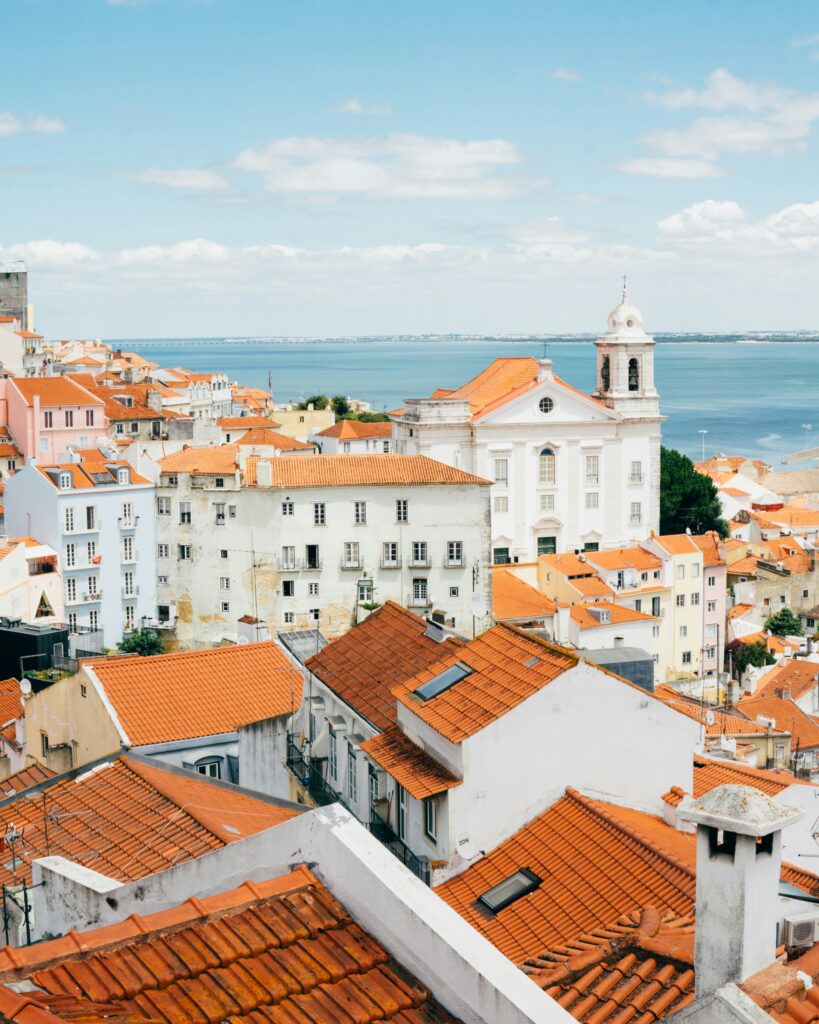
The Soul of Porto: Launchpad for the Douro Valley Experience
Porto sets the stage for your trip into the valley. You arrive by plane or train, drop your bags in a colorful downtown hotel, and soon head out to taste what makes this place special. The city’s mix of old-world charm and easy access makes it the perfect base. It’s no wonder people are moving here.
Vila Nova de Gaia: The Keeper of the Cellars
Cross the Douro on the arched Dom Luís I Bridge, and you enter Vila Nova de Gaia. This spot sits right across from Porto, but it plays a different role in the wine world. The area’s cool, foggy air from the ocean keeps the cellars steady, unlike the hot valley summers.
You can wander Gaia’s steep lanes lined with Port wine lodges. Taylor’s, Graham’s, and Sandeman stand out as top spots to visit. Each offers guided tours through dim vaults stacked with barrels, ending with tastings of ruby reds or aged tawnies.
Pick a lodge based on your interests—some focus on history, others on pairings with cheese. You sip and learn how these cellars store millions of liters, ready for export. It’s hands-on history you taste in every glass.
Navigating to the Vineyards: Scenic Journeys
From Porto, you have choices to reach Porto’s Douro Valley. A train ride on the Linha do Douro line takes about two hours and hugs the river’s edge. You watch vineyards unfold from your window seat, with the track curving through tunnels and over viaducts.
If you want control, rent a car and drive the N222 highway. This route winds 150 kilometers through olive groves and cork oaks, often called one of Europe’s best drives. Stop at viewpoints to snap photos of the golden hour light on the vines.
Guided tours from Porto mix bus rides with boat trips, ideal if you prefer no hassle. They drop you at Quintas for lunches and hikes. Each option fits your pace—slow and scenic or quick and direct.
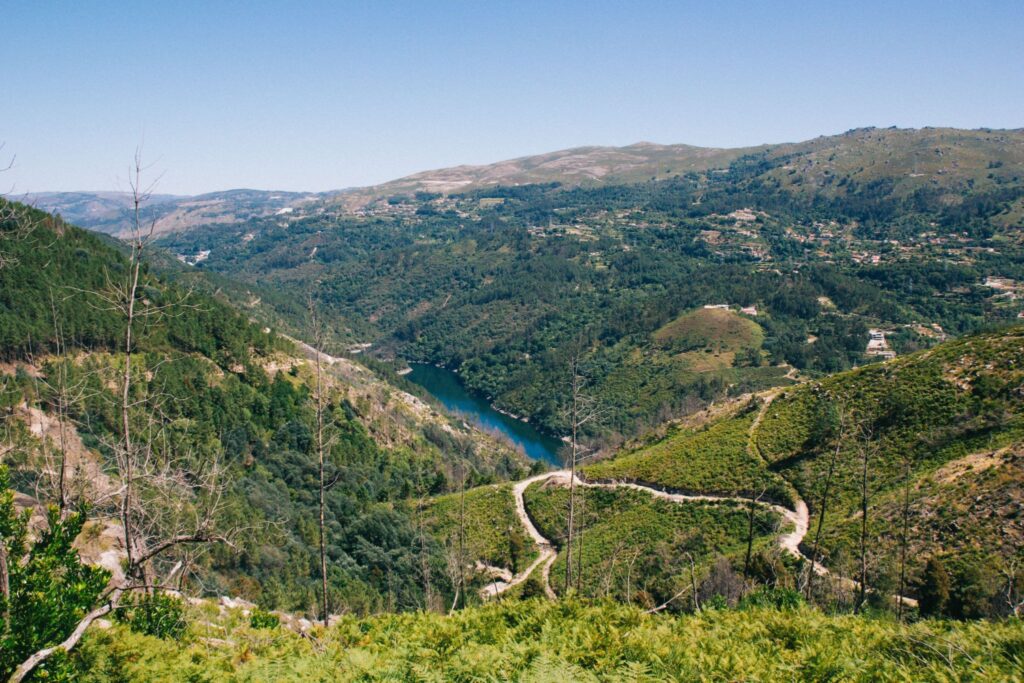
Terraced Grandeur: Understanding the Alto Douro Landscape
The Douro Valley’s beauty hits you as you climb higher from Porto. Hills fold into each other, covered in neat rows of vines that climb straight up. This isn’t flat farmland; it’s a place where nature and people fought to create something enduring.
Geology and Terroir: The Schist Foundation
Schist rock forms the base under those vines, a crumbly gray stone unique to the area. It holds little water, so roots dig deep for moisture, building grapes with intense flavors. You taste that concentration in every Port—notes of dark fruit and spice that come from this tough soil.
Slopes here tip at 45 degrees or more, too steep for machines. Workers hand-pick grapes during harvest, a backbreaking job passed down through generations. This manual care keeps the land alive and the wine pure.
The terraces, called socalcos, started as low walls in Roman times. Locals built them with picks and sweat, layer by layer, to hold soil on the hills. Today, you see miles of these stone steps, a clear sign of the effort behind each bottle.
The Demarcated Region: From Marquis of Pombal to Modern Day
In 1756, the Marquis of Pombal drew borders around the Douro to protect its wines. This made it the world’s first official wine region, with rules on grape types and yields. His goal was quality control after bad years flooded markets with weak stuff.
Those lines still guide production today. Only grapes from this zone can make true Port, checked by a strict council. You benefit from that heritage—consistent taste no matter the year.
Rules evolved with time, adding protections for small growers. Now, over 30,000 hectares fall under the demarcation, blending old laws with new tech like drip irrigation. It keeps Porto’s Douro Valley wines world-class.
Port Wine: A Legacy Forged by Empire and Trade
Port wine ties directly to Porto’s Douro Valley, born from riverside grapes and river trade. You learn its story through visits and sips, seeing how global forces shaped a local drink. From sweet reds to nutty aged bottles, it captures centuries in one pour.
The British Connection: Securing the Supply Line
British merchants arrived in force after the 1703 Methuen Treaty eased wine imports over French ones. They sought cheap, strong reds to pair with meals, and the Douro delivered. English families poured money into quintas, planting vines across the steep banks.
This trade boom turned Porto into a hub. Brits like the Symingtons founded firms that still run today, setting standards for blending and aging. Their push for quality built Port’s fame in London clubs and beyond.
You see that link in lodge names—many bear English stamps. It fueled expansion, with ships carrying barrels down the Douro to Gaia for storage. That empire tie made Port a staple in British homes for 300 years.
From Grape to Glass: The Making of Port
Harvest kicks off in September, when workers fill baskets by hand. Back at the quinta, grapes go into stone lagares for foot-treading, a old way to crush them gently. Then comes the key step: add brandy to stop fermentation early, keeping sweetness and boosting alcohol to 20 percent.
Styles vary by aging and blending. Ruby Port stays young and fruity, best chilled. Tawny ages in barrels for nutty depth, while Vintage comes from top years and needs decanting.
Late Bottled Vintage, or LBV, splits the difference—ready now but with structure. When you visit, try a Ruby if you like berries, or Tawny for caramel fans. Pair it with chocolate or blue cheese for the full effect.
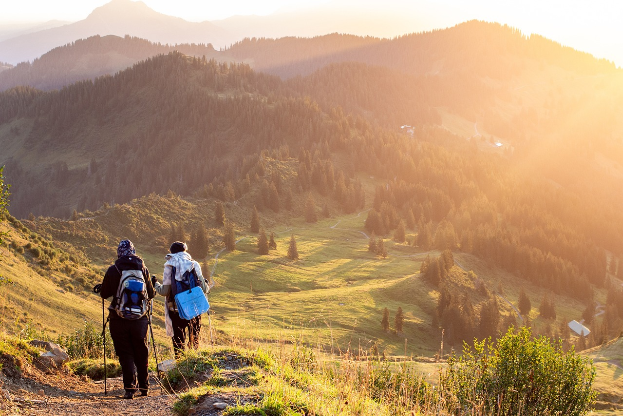
Immersive Douro: Experiencing the Quintas
Quintas dot the valley, each a working farm with vines and history. You stay overnight to feel the rhythm—morning fog lifting off leaves, evenings by the fire. It’s more than sightseeing; it’s living the wine life.
Staying on a Quinta: Authentic Farm Stays
Rural tourism thrives here, with quintas open as guesthouses. Big ones like Quinta do Crasto offer pools and spas, while family spots give simple rooms with home-cooked meals. You pick based on vibe—luxury or roots.
Expect hikes through vines and hands-on lessons in pruning. Smaller producers share stories of their grandparents’ harvests. It’s personal, showing how these places survive on wine and visitors.
Quinta da Pacheca stands out for its barrel-shaped rooms, a fun twist on tradition. Others, like those run by old British families, mix cultures in their hospitality. Book ahead; spots fill fast in fall.
Cruising the Douro River: The Rabelo Boats
Rabelo boats once hauled Port barrels from upriver to Porto. These flat wooden craft skimmed shallow waters, guided by oars and sails. Now, they carry you on short cruises, passing under vine-covered cliffs.
A one-hour ride from Pinhão shows the valley from water level. You spot herons along banks and quintas perched high. It’s calm, with a guide pointing out old loading spots.
Longer trips span days, stopping for tastings. Opt for a rabelo if you want tradition; modern boats add comfort. Either way, the river view ties the landscape together.
Beyond the Wine: Gastronomy and Culture of the Upper Douro
The Douro feeds more than vines—it grows olives, almonds, and game. You eat hearty after hiking, with meals that match the rugged terrain. Local flavors add depth to your valley stay.
Regional Cuisine: Flavors of the Trás-os-Montes
Trás-os-Montes means “behind the mountains,” and its food reflects that isolation. Smoked hams from black pigs hang in markets, cured with salt and herbs. Kid goat stews slow-cook for hours, tender and rich.
Pair these with Port—try a tawny with roasted meats. Olive oil drizzles everything, from fresh salads to bread soups. You find it all at quinta tables or riverside inns.
Cheese wheels from local sheep add creaminess. A meal here feels tied to the land, simple yet bold. Don’t skip the sweets, like walnuts in honey, for dessert.
River Towns and Villages: Pinhão and Lamego
Pinhão buzzes as the valley’s heart, with a train station covered in blue azulejo tiles. Those 25 panels show harvest scenes from 1937, a nod to rail’s role in wine transport. You explore its quay for boat rides or market stalls.
Lamego shines with Baroque flair, home to a hilltop sanctuary climbed by 600 steps. Locals flock here for festivals, blending faith and food. It’s a quick stop from the river, worth the detour for its gilded churches.
Both spots mix daily life with history. In Pinhão, chat with vintners at cafes. Lamego’s views sweep over valleys, pulling you deeper into the region’s soul.
Conclusion: The Enduring Allure of the Douro
Porto’s Douro Valley blends stunning views with a wine legacy that spans empires. From Gaia’s cellars to terraced hills, every step uncovers layers of effort and taste. You leave with stories, bottles, and a pull to return.
The British trade sparked it all, but the land and people keep it alive. Head out from Porto soon—book that train or drive to feel the valley’s quiet power. Your glass awaits.
Remember, never travel without travel insurance! And never overpay for travel insurance!
I use HeyMondo. You get INSTANT quotes. Super cheap, they actually pay out, AND they cover almost everywhere, where most insurance companies don't (even places like Central African Republic etc!). You can sign-up here. PS You even get 5% off if you use MY LINK! You can even sign up if you're already overseas and traveling, pretty cool.
Also, if you want to start a blog...I CAN HELP YOU!
Also, if you want to start a blog, and start to change your life, I'd love to help you! Email me on johnny@onestep4ward.com. In the meantime, check out my super easy blog post on how to start a travel blog in under 30 minutes, here! And if you just want to get cracking, use BlueHost at a discount, through me.
Also, (if you're like me, and awful with tech-stuff) email me and my team can get a blog up and running for you, designed and everything, for $699 - email johnny@onestep4ward.com to get started.
Do you work remotely? Are you a digital nomad/blogger etc? You need to be insured too.
I use SafetyWing for my digital nomad insurance. It covers me while I live overseas. It's just $10 a week, and it's amazing! No upfront fees, you just pay week by week, and you can sign up just for a week if you want, then switch it off and on whenever. You can read my review here, and you can sign-up here!









 As you know, blogging changed my life. I left Ireland broke, with no plan, with just a one-way ticket to Thailand
and no money. Since then, I started a blog, then a digital media company, I've made
more than $1,500,000 USD, bought 4 properties and visited (almost) every country in the world. And I did it all from my laptop as I
travel the world and live my dream. I talk about how I did it, and how you can do it too, in my COMPLETELY FREE
Ebook, all 20,000
words or so. Just finish the process by putting in your email below and I'll mail it right out to you immediately. No spam ever too, I promise!
As you know, blogging changed my life. I left Ireland broke, with no plan, with just a one-way ticket to Thailand
and no money. Since then, I started a blog, then a digital media company, I've made
more than $1,500,000 USD, bought 4 properties and visited (almost) every country in the world. And I did it all from my laptop as I
travel the world and live my dream. I talk about how I did it, and how you can do it too, in my COMPLETELY FREE
Ebook, all 20,000
words or so. Just finish the process by putting in your email below and I'll mail it right out to you immediately. No spam ever too, I promise!