

Not every road trip looks the same, and that’s exactly what makes choosing one feel overwhelming before the planning even begins. Some travelers want flexibility, others want comfort, and some just want to spend as little money as possible while still seeing something worth remembering.
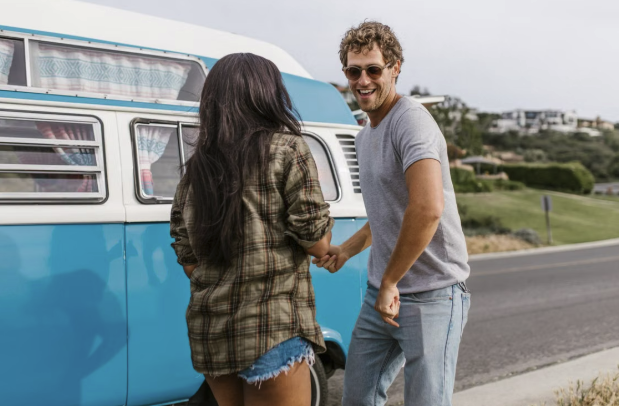
The right road trip style comes down to four things: budget, comfort level, preferred pace, and who’s coming along. A spontaneous route appeals to solo travelers or pairs who are comfortable winging it, while a comfort-first itinerary suits those who prefer confirmed hotels and structured days. A budget road trip works best for travelers who can trade convenience for savings, and a camping or van-life trip fits those who want immersion over amenities. Trip duration also shapes the decision, since a weekend getaway calls for a different approach than a two-week road trip itinerary. Knowing which category feels most natural makes road trip planning far less daunting from the start.
Which Road Trip Style Fits You Best?
Your best starting point is a quick, honest look at your budget, comfort expectations, preferred pace, and travel company. A spontaneous route suits those who enjoy discovery over certainty. A comfort-first itinerary works for travelers who want confirmed hotels and a clear daily structure. A budget road trip trades convenience for savings, while a camping or van-life trip prioritizes immersion over amenities. Trip duration ties it all together, since a weekend drive and a two-week road trip itinerary demand very different levels of road trip planning.
What Each Road Trip Style Feels Like
Each style shapes your trip in ways that go well beyond just where you sleep. Understanding the practical differences makes it much easier to commit to one approach before the planning gets complicated.
The Planner’s Route vs. the Flexible Route
A pre-planned road trip means booking overnight stops in advance, setting a daily driving time limit, and following a road trip route that leaves little room for surprise. This style works well for travelers with limited vacation days or those visiting popular destinations where accommodations fill up quickly.
A flexible, spontaneous route flips that entirely. There’s no fixed itinerary, which means the pace changes based on what the road offers. Travelers who enjoy this approach tend to stay somewhere longer if it resonates, or skip a stop that doesn’t. It suits those who are comfortable with a bit of uncertainty and don’t mind searching for accommodations last minute.
For anyone considering planning a cross-country drive, deciding between these two styles early shapes almost every other decision that follows.
Budget, Comfort, and Camping Priorities
Budget-focused road trips typically involve cheaper accommodations, self-catering where possible, and a flexible vehicle choice that prioritizes fuel economy. Comfort-first trips, on the other hand, lean toward pre-booked hotels, shorter daily drives, and more predictable expenses.
Camping, RV, and camper van travel form their own distinct category. The vehicle itself becomes the home base, which changes how stops are chosen, how supplies are packed, and how long travelers stay in one place. Those drawn to this style often find that the experience feels less like a trip and more like a moving lifestyle. For travelers exploring trailer-based setups that make this kind of travel more practical, check it out here to see options that genuinely support a gear-hauling, sleep-anywhere approach.
Choose Based on Who Is in the Car
Who’s traveling together shapes nearly every practical decision, from driving time to where you sleep at night.
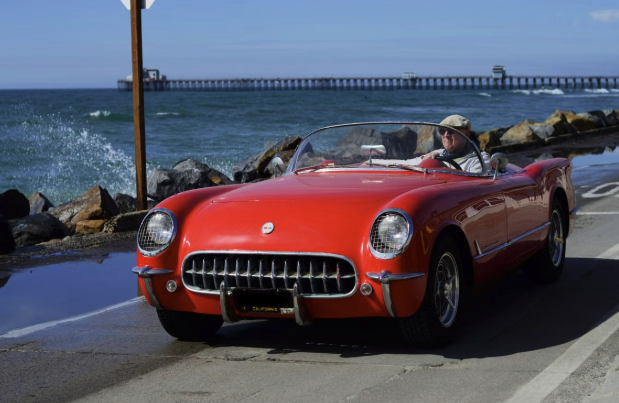
Solo travelers often benefit most from flexible routing. Without anyone else’s schedule to accommodate, they can extend a stop, cut a day short, or reroute based on what looks interesting. Some solo drivers even turn the trip into a passion project, taking time to shop high-quality C7 Corvette wheels before hitting scenic backroads where the car itself becomes part of the experience. Fewer pre-booked accommodations and lower-cost overnight stops keep things light and adaptable.
Couples tend to gravitate toward a slower, more scenic pace. Comfort-focused accommodations and a relaxed trip duration matter more when two people are sharing the experience, and a scenic coastal road trip often fits that rhythm well.
Families need a more grounded approach. Realistic driving time per day, pre-booked overnight stops, and dependable accommodations reduce friction when kids are involved. Leaving buffer room in the schedule, rather than filling every hour, tends to make the overall trip duration more enjoyable for everyone in the car.
The Tools That Support Different Trip Styles
Flexible travelers tend to get the most out of Google Maps, which handles real-time rerouting when plans shift mid-drive. Roadtrippers is another well-known option for discovering stops along a road trip route that might otherwise get missed.
For more structured trips, itinerary builders help lock in the sequence of stops, while booking accommodations early removes one of the bigger variables in road trip planning. According to a recent travel trends report, more travelers are planning further ahead to secure better lodging options along popular routes. The tool matters less than matching it to the style you’ve already chosen.
Pick the Style That Makes the Trip Easier
There is no universally correct approach to road trip planning, and that’s worth remembering when the options start to feel like too much. The best road trip itinerary is simply the one that matches the traveler’s energy, budget, and preferred level of structure.
Choosing a style before the wheels start turning makes every decision that follows easier, from overnight stops to daily driving time. Match the journey to the people making it, and the rest tends to fall into place.
Remember, never travel without travel insurance! And never overpay for travel insurance!
I use HeyMondo. You get INSTANT quotes. Super cheap, they actually pay out, AND they cover almost everywhere, where most insurance companies don't (even places like Central African Republic etc!). You can sign-up here. PS You even get 5% off if you use MY LINK! You can even sign up if you're already overseas and traveling, pretty cool.
Also, if you want to start a blog...I CAN HELP YOU!
Also, if you want to start a blog, and start to change your life, I'd love to help you! Email me on johnny@onestep4ward.com. In the meantime, check out my super easy blog post on how to start a travel blog in under 30 minutes, here! And if you just want to get cracking, use BlueHost at a discount, through me.
Also, (if you're like me, and awful with tech-stuff) email me and my team can get a blog up and running for you, designed and everything, for $699 - email johnny@onestep4ward.com to get started.
Do you work remotely? Are you a digital nomad/blogger etc? You need to be insured too.
I use SafetyWing for my digital nomad insurance. It covers me while I live overseas. It's just $10 a week, and it's amazing! No upfront fees, you just pay week by week, and you can sign up just for a week if you want, then switch it off and on whenever. You can read my review here, and you can sign-up here!





 As you know, blogging changed my life. I left Ireland broke, with no plan, with just a one-way ticket to Thailand
and no money. Since then, I started a blog, then a digital media company, I've made
more than $1,500,000 USD, bought 4 properties and visited (almost) every country in the world. And I did it all from my laptop as I
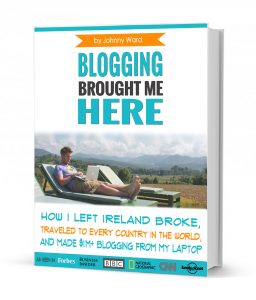
travel the world and live my dream. I talk about how I did it, and how you can do it too, in my COMPLETELY FREE
Ebook, all 20,000
words or so. Just finish the process by putting in your email below and I'll mail it right out to you immediately. No spam ever too, I promise!
As you know, blogging changed my life. I left Ireland broke, with no plan, with just a one-way ticket to Thailand
and no money. Since then, I started a blog, then a digital media company, I've made
more than $1,500,000 USD, bought 4 properties and visited (almost) every country in the world. And I did it all from my laptop as I
travel the world and live my dream. I talk about how I did it, and how you can do it too, in my COMPLETELY FREE
Ebook, all 20,000
words or so. Just finish the process by putting in your email below and I'll mail it right out to you immediately. No spam ever too, I promise!