


The Cheapest Way to Travel to 10 “Expensive” Countries
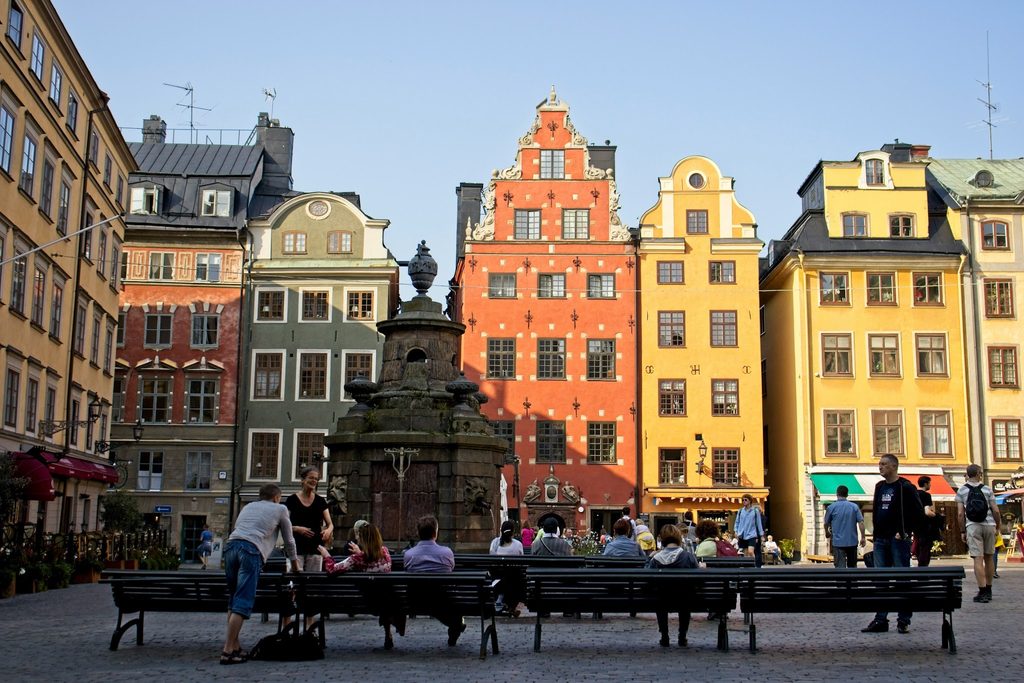
You know that Switzerland, Australia, and Japan are among the world’s most expensive destinations, right? Such reputation alone can discourage budget travellers before they even start planning.
But it doesn’t have to.
If you plan to only visit pricey destinations, your best bet is to make cost-effective adjustments with no cutting off valuable experiences. Indeed, there are smart ways to explore accommodations, travel fares, and shopping without breaking the bank or exceeding your usual budget.
The below tried and tested tips will help land any of top 10 dream destination sooner than you imagine.
Table of contents
1. Switzerland
Switzerland rewards careful planning. Staying in Zurich or Interlaken’s centre consumes a large part of a daily budget.
- You might want to consider hostels, guesthouses or accommodation outside the busiest areas.
- Public transport can also be more efficient than renting a car. The 2026 Swiss Travel Pass starts at CHF 254 for three days in second class and covers trains, buses and boats.
- Food also offers a saving opportunity. Consider supermarkets for breakfast and lunch, while keeping a cut for one memorable Swiss meal or mountain excursion.
Think of it as a minimum deposit you can allow spending. The effective bankroll management in online casinos, for instance, is exactly about that. You come to expert review websites like Polskie Sloty, check their lists of gaming platforms with the best offers at https://pl.polskiesloty.com/kasyno-z-minimalnym-depozytem/, and choose the one that fits your interests and pocket. The goal is to reduce routine expenses, agree? The same principle works with touring Zurich: You choose places and options that fits your needs most.
2. Iceland
Iceland becomes expensive when travellers combine hotels, restaurants, and organised excursions to make a significant part of their experience. But the trick here is to choose 1-2 paid experiences rather than booking expensive tours every other day.
If you visit in groups, a shared rental car will be the best option. It lets you reach major attractions independently while spreading the vehicle cost across several travellers.
Also prioritize accommodation with kitchen facilities and purchase food locally. Travelling during the shoulder season can also help with accommodation and rental prices.
3. Japan
There’s a reason why the Japan National Tourism Organization specifically recommends advance planning for budget travellers. Critical budget items include accommodation, transport passes and sightseeing discounts.
For cheaper food, ramen restaurants, convenience stores, supermarkets, and local eateries can provide less-expensive meals. Look out for any of the accommodation options like hostels, capsule hotels and business hotels that match your budget.
Meanwhile, if Tokyo, Osaka, and Kyoto fall within your planned itinerary, explore local trains and metro systems rather than taxis. Also, avoid the lure to automatically purchase a nationwide rail pass until you’re sure it will benefit your unique itinerary over individual tickets.
4. Singapore
Hawker centres provide the country’s best-known dishes at prices well below those found in high-end restaurants.
Public transport offers another major saving opportunity via the MRT and bus networks, which cover most areas visitors would likely explore. Consider choosing accommodation close to a station rather than paying a premium for a central hotel.
Singapore has many free experiences that can make your stay worth it. Walking around Marina Bay, exploring neighbourhoods, and visiting public parks can fill several hours without extra spending.
5. Australia
Australia’s biggest budget challenge is distance. Trying to visit Sydney, Melbourne, Cairns, Perth and Uluru on one short trip can be unusually pricey for the average sojourner.
Choose two or three destinations instead while prioritizing more economical transportation means for your transits. A seamless way to find a transportation fit is to compare domestic flights with coach and rail services if you’re traversing shorter distances. Elsewhere, within cities, public transportation is usually more economical than taxis.
Lastly, accommodation with kitchen facilities can also reduce food costs.
And explore Australia’s exciting farmers’ markets for fresh produce from the farms rather than preserved foods at the malls to heighten your experience even further.
6. New Zealand
New Zealand has so many inviting islands, but don’t hurry up to see them all. We’d recommend either the North Island or South Island if your trip is short or on a tight budget.
Hostels, holiday parks, and campsites are usually cheaper than hotels. Visiting supermarkets will reduce the cost of eating out.
When visiting the South Island, hiking and scenic drives can offer low-cost but memorable adventures on your itinerary.
7. Norway
Popular accommodation platform Visit Norway puts the average hotel room at NOK 1,725 per night. Basic campsite cabins start at around NOK 700. Budget restaurant meals typically cost NOK 190-350. Why not make an accommodation selection that matches your budget?
Consider buying groceries and preparing some meals.
Also, using trains and long-distance buses rather than taxis or frequent domestic flights can go a long way.
8. Denmark
Copenhagen is expensive, but its compact layout makes budget travel straightforward. Many of the city’s waterfront areas, neighbourhoods, and public spaces are free to explore.
Consider cycling for sightseeing and everyday travel. Supermarkets can cover breakfast and snacks, while local cafés and less tourist-focused restaurants can reduce meal costs.
Accommodation outside the central tourist zone can cost less while remaining accessible by public transport.
9. Sweden
Use local public transport and trains for longer journeys. Hostels and accommodation outside central Swedish districts can also provide better value.
Sweden’s natural environment provides another advantage. Forests, lakes, hiking routes, and public parks are accessible without expensive entrance fees.
For Stockholm, consider spending fewer days on paid attractions and more time exploring the city’s neighbourhoods and waterfront.
10. Finland
When in Helsinki, consider choosing a hotel, hostel or apartment with kitchen facilities and prepare some meals yourself. Public transport makes it possible to explore the city without relying on taxis.
Elsewhere, Finland’s natural attractions are another budget advantage. Parks, forests, lakes, and walking routes provide memorable experiences! Here, best savings come from spending more time in fewer places.
Over to You
The cheapest way to visit an expensive country is not necessarily to cut everything. It’s about identifying what deserves your money.
- Save on accommodation by staying outside premium areas.
- Use public transport where practical.
- Buy some meals from supermarkets.
- Travel outside peak periods and avoid unnecessary domestic flights.
That distinction itself is what makes high-cost destinations accessible to budget travelers. What country on this list will be your first one to visit?
Remember, never travel without travel insurance! And never overpay for travel insurance!
I use HeyMondo. You get INSTANT quotes. Super cheap, they actually pay out, AND they cover almost everywhere, where most insurance companies don't (even places like Central African Republic etc!). You can sign-up here. PS You even get 5% off if you use MY LINK! You can even sign up if you're already overseas and traveling, pretty cool.
Also, if you want to start a blog...I CAN HELP YOU!
Also, if you want to start a blog, and start to change your life, I'd love to help you! Email me on johnny@onestep4ward.com. In the meantime, check out my super easy blog post on how to start a travel blog in under 30 minutes, here! And if you just want to get cracking, use BlueHost at a discount, through me.
Also, (if you're like me, and awful with tech-stuff) email me and my team can get a blog up and running for you, designed and everything, for $699 - email johnny@onestep4ward.com to get started.
Do you work remotely? Are you a digital nomad/blogger etc? You need to be insured too.
I use SafetyWing for my digital nomad insurance. It covers me while I live overseas. It's just $10 a week, and it's amazing! No upfront fees, you just pay week by week, and you can sign up just for a week if you want, then switch it off and on whenever. You can read my review here, and you can sign-up here!





 As you know, blogging changed my life. I left Ireland broke, with no plan, with just a one-way ticket to Thailand
and no money. Since then, I started a blog, then a digital media company, I've made
more than $1,500,000 USD, bought 4 properties and visited (almost) every country in the world. And I did it all from my laptop as I
travel the world and live my dream. I talk about how I did it, and how you can do it too, in my COMPLETELY FREE
Ebook, all 20,000
words or so. Just finish the process by putting in your email below and I'll mail it right out to you immediately. No spam ever too, I promise!