

The Hidden Cost of the Location-Independent Lifestyle Nobody Talks About
Everyone talks about freedom. Nobody talks about the dentist.
The location-independent lifestyle gets a lot of coverage for the good stuff: the flexibility, the travel, the ability to work from anywhere on the planet. What gets less attention is the unglamorous infrastructure required to make it sustainable. And right near the top of that list, for anyone doing this seriously, is healthcare.
Most nomads eventually get travel insurance (usually after something goes wrong). But insurance is only part of the picture. There’s a whole category of healthcare situations that travel policies don’t touch, and that most location-independent workers don’t think about until they’re staring at a bill.
Table of contents
What Travel Insurance Actually Covers (And What It Doesn’t)
Emergency medical coverage is available for major issues, such as broken bones and sudden illness. Policies from companies like SafetyWing provide this for about $10 a week. At that price, everyone should have it.
But what about dental care or vision coverage? What about mental health support or elective procedures you’ve been putting off for years?
None of that is an emergency. Travel insurance doesn’t cover it. And depending on how long someone has been abroad, their home country’s public system may not be straightforwardly accessible either.
The result is that a significant number of remote workers are effectively uninsured for routine and elective care. They delay treatment, do dental tourism when things get bad enough, or ignore problems until they escalate.
The ‘I’ll Deal With It When I’m Back Home’ Trap
It’s one of the most common patterns in the nomad community. Someone’s been on the road for a year or two. They’ve got a tooth that needs a crown, a skin thing that should have been looked at months ago, and a back problem being managed with ibuprofen and optimism. The plan is to handle everything when they get home.
But going home just creates more issues. Now they have to see if their old insurance still covers them or pay for everything themselves. Suddenly, a crown costs $1,500. The dermatologist wants $400 up front. The back specialist charges $600 for the first visit alone.
None of it is catastrophic. But none of it was planned. And it tends to land at exactly the wrong moment, when cash flow is tight, and attention is elsewhere.
What to Actually Have Sorted
For anyone serious about the long game on this lifestyle, here’s the practical checklist that rarely makes it into the “how to become a nomad” content:
Get the nomad insurance. These policies handle emergency medical across most of the world for a trivial weekly fee. It should be the first thing sorted before anything else.
Build a separate healthcare cash buffer. Separate from the emergency fund. At least $2,000 to $3,000 set aside specifically for out-of-pocket medical expenses — the routine and elective stuff that insurance doesn’t touch.
Understand the home country coverage situation before leaving. The fate of healthcare entitlements after 6, 12, or 24 months abroad varies significantly by country. Knowing the rules in advance is considerably less painful than discovering them during a medical bill.
Know the financing options. For anyone getting treatment at US-based clinics or practices that accept US payment systems, it’s worth understanding the alternatives to medical credit cards. CareCredit is the default most clinics push, but it uses deferred interest, meaning a missed payoff deadline triggers retroactive charges on the full original amount. Installment-based alternatives work differently and can be meaningfully cheaper for anyone managing variable income on the road.
Research dental tourism properly. Thailand, Hungary, Mexico, and Colombia all have excellent dental care at a fraction of Western prices, but going cheap with no vetting is a proposition entirely different.
Freedom Requires Infrastructure
Here’s the thing about the location-independent lifestyle that takes most people a few years to internalize fully: freedom isn’t the absence of structure. It’s having the right structures in place so that when life gets complicated, it doesn’t derail everything.
The people who’ve been doing this sustainably for five, ten, or fifteen years have their insurance sorted. They have savings. They have a financial infrastructure that travels with them. They’re not winging it and hoping nothing goes wrong.
The people who burn out or end up back in a traditional job within two years are often the ones who treated freedom as freedom from all adult responsibility. That version of the lifestyle doesn’t survive contact with a root canal.
Healthcare is one of those areas where practicality expands options. Knowing that any medical situation can be handled without it becoming a crisis makes it possible to say yes to the remote three-month stint. Sorting the boring stuff is what makes the adventure sustainable.
Remember, never travel without travel insurance! And never overpay for travel insurance!
I use HeyMondo. You get INSTANT quotes. Super cheap, they actually pay out, AND they cover almost everywhere, where most insurance companies don't (even places like Central African Republic etc!). You can sign-up here. PS You even get 5% off if you use MY LINK! You can even sign up if you're already overseas and traveling, pretty cool.
Also, if you want to start a blog...I CAN HELP YOU!
Also, if you want to start a blog, and start to change your life, I'd love to help you! Email me on johnny@onestep4ward.com. In the meantime, check out my super easy blog post on how to start a travel blog in under 30 minutes, here! And if you just want to get cracking, use BlueHost at a discount, through me.
Also, (if you're like me, and awful with tech-stuff) email me and my team can get a blog up and running for you, designed and everything, for $699 - email johnny@onestep4ward.com to get started.
Do you work remotely? Are you a digital nomad/blogger etc? You need to be insured too.
I use SafetyWing for my digital nomad insurance. It covers me while I live overseas. It's just $10 a week, and it's amazing! No upfront fees, you just pay week by week, and you can sign up just for a week if you want, then switch it off and on whenever. You can read my review here, and you can sign-up here!

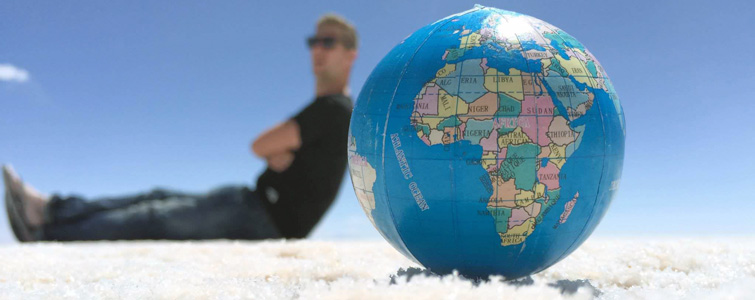


 As you know, blogging changed my life. I left Ireland broke, with no plan, with just a one-way ticket to Thailand
and no money. Since then, I started a blog, then a digital media company, I've made
more than $1,500,000 USD, bought 4 properties and visited (almost) every country in the world. And I did it all from my laptop as I
travel the world and live my dream. I talk about how I did it, and how you can do it too, in my COMPLETELY FREE
Ebook, all 20,000
words or so. Just finish the process by putting in your email below and I'll mail it right out to you immediately. No spam ever too, I promise!
As you know, blogging changed my life. I left Ireland broke, with no plan, with just a one-way ticket to Thailand
and no money. Since then, I started a blog, then a digital media company, I've made
more than $1,500,000 USD, bought 4 properties and visited (almost) every country in the world. And I did it all from my laptop as I
travel the world and live my dream. I talk about how I did it, and how you can do it too, in my COMPLETELY FREE
Ebook, all 20,000
words or so. Just finish the process by putting in your email below and I'll mail it right out to you immediately. No spam ever too, I promise!