

Responsible Tourism in 2026: Beyond Carbon Offsets and Reusable Bottles
The tourism industry has spent years focusing on the easy wins for sustainability — biodegradable toiletries, carbon offset programs, plastic-free amenities. These efforts matter. But genuine responsibility runs much deeper than swapping plastic straws for paper ones. Real sustainable tourism asks harder questions: Who gets paid? How much? Does money from tourism stay in the communities that host it? The answer, in many destinations, is still uncomfortable.
Fair wages and transparent pay structures don’t make for flashy marketing copy, but they’re where real impact starts. In many tourist-heavy regions — Southeast Asia, Central America, parts of Africa — hospitality staff often earn base wages that rely heavily on tips to reach anything livable. The problem is that travelers carry less cash, and the cultural norm of tipping varies wildly depending on where a guest comes from.
There are digital platforms that can close that gap. For example, the eTip tipping software lets guests tip hotel staff, tour guides, or restaurant servers directly from their phones — no cash required. But not every business uses such software, especially in less developed regions, and in the end, it’s not only about tipping. So this article will cover local hiring issues, fair pay, community impact, and what you can do in practice.
Local Hiring: More Than a PR Line
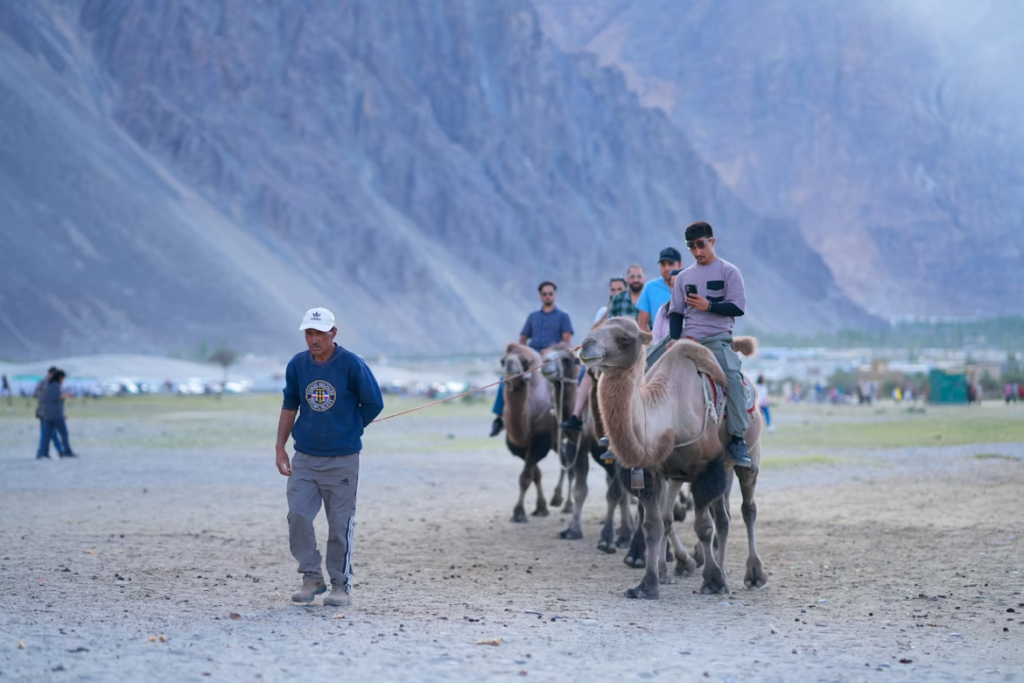
One of the most direct ways tourism dollars can support a community is through employment — but only if that employment is genuinely local. International hotel chains, cruise lines, and tour operators have a long history of importing management talent while keeping lower-paid, lower-skilled positions for locals. That’s a pattern worth questioning.
A responsible tourism model prioritizes local hiring at all levels, not just for housekeeping and kitchen roles. It also means investing in training so that local staff can move into supervisory and managerial positions over time. Some businesses now publish local hiring ratios in their sustainability reports, which gives travelers a way to compare before they book.
This matters more than it might seem. When a family from a destination community works in tourism at a living wage, they spend their income locally. That spending supports local shops, schools, and services in ways that a wire transfer to a corporate head office in another country simply doesn’t.
Fair Pay Across the Whole Supply Chain
Hotels and tour operators don’t operate in isolation. Behind every “locally sourced” breakfast buffet is a chain of suppliers — farmers, food producers, transport operators — whose pay rates rarely get scrutinized.
Responsible businesses in 2026 are starting to audit not just their own wage structures but those of their suppliers, too. This is still rare, but it’s growing. Here’s what a genuine fair-pay commitment across the supply chain can look like:
- Direct trade with local farms at prices above commodity market rates
- Written supplier contracts that specify minimum wage standards
- Transparent cost breakdowns available to buyers and, ideally, guests
- Regular audits or supplier self-reporting on pay practices.
It’s worth noting that “fair trade” certification exists for food and handicrafts, but no comparable standard yet covers the broader hospitality supply chain. That’s a gap the industry still needs to fill.
Community Impact Beyond Employment
Jobs and wages are critical, but responsible tourism reaches further. The best operators think about what happens to a destination’s infrastructure, culture, and environment when visitor numbers climb — and they actively work to offset that pressure.
Community investment funds are one practical approach. Some tour operators now contribute a fixed percentage of every booking (typically 1–5%) into a local fund controlled by community members, not the business itself. The community then decides how those funds get used, whether that’s school repairs, a medical clinic, or conservation work.
Cultural preservation is another area where intentions and outcomes can diverge sharply. Tourism that commodifies local traditions — selling access to ceremonies, staging “authentic” performances for guests who don’t understand the context — can do real damage over time.
Responsible operators work with communities to define what’s appropriate to share and what’s private, and they respect those boundaries even when guests might push back. The issue of cultural heritage tourism and responsible practices has even been highlighted by UN Tourism. Their guides are worth exploring for any traveler.
What Travelers Can Actually Do
Plenty of guidance on responsible travel focuses on what to avoid — don’t ride elephants, don’t visit orphanages, don’t buy products made from protected species. That’s all valid. But travelers also have positive choices available to them.
Spending money with locally owned businesses rather than international chains keeps more money in the destination. Booking through operators that publish their local hiring ratios and wage policies rewards transparency. And tipping — consistently and fairly — makes a real difference for the workers who make a trip possible.
Yes, the cost of traveling the world is already high, but even small changes in your approach can make a difference. Some practical steps worth building into travel habits:
- Research accommodation options for local ownership or community investment commitments before booking.
- Use digital tipping tools when they’re available (for transparency and convenience).
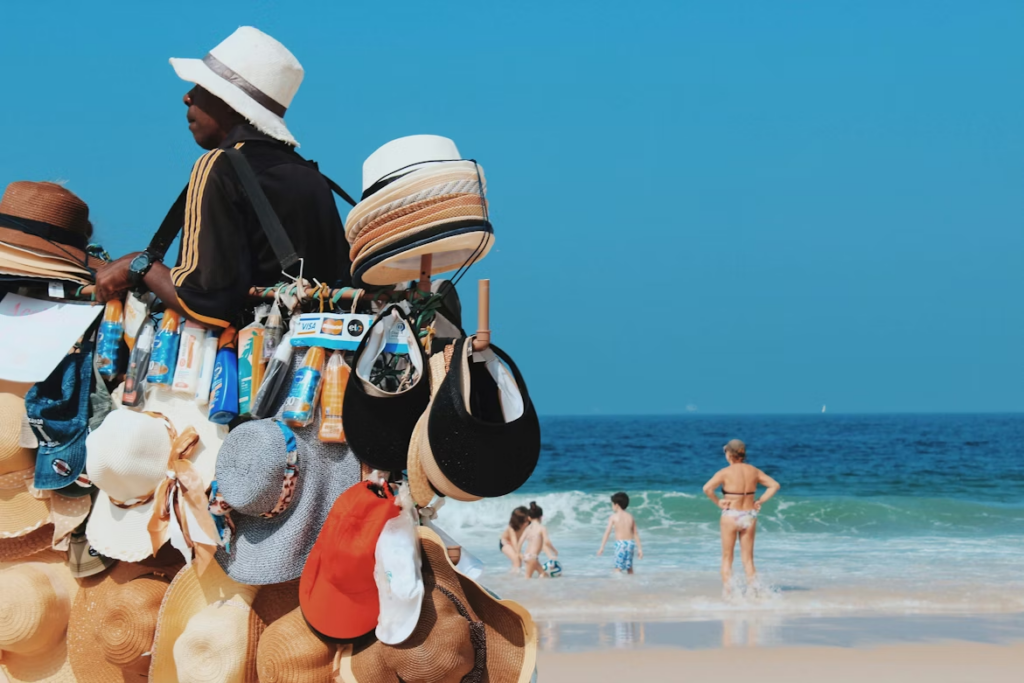
- Buy from local artisans at fair prices rather than bargaining aggressively for the lowest possible cost.
- Ask tour operators direct questions about local hiring and supplier pay — businesses that answer clearly usually have something worth knowing about.
The Bigger Picture
Sustainable tourism in 2026 can’t be reduced to recycling bins and solar panels. Environmental credentials still matter, but they look hollow when the same hotel that offsets its carbon footprint pays its housekeeping staff below minimum wage or sources its food from international suppliers over local producers.
The shift happening now is toward accountability across the whole operation — wages, hiring, supply chains, community relationships. Some businesses are ahead. Many are still catching up. And travelers, who vote with every booking and every tip, have more power to push the industry forward than any certification body does.
Remember, never travel without travel insurance! And never overpay for travel insurance!
I use HeyMondo. You get INSTANT quotes. Super cheap, they actually pay out, AND they cover almost everywhere, where most insurance companies don't (even places like Central African Republic etc!). You can sign-up here. PS You even get 5% off if you use MY LINK! You can even sign up if you're already overseas and traveling, pretty cool.
Also, if you want to start a blog...I CAN HELP YOU!
Also, if you want to start a blog, and start to change your life, I'd love to help you! Email me on johnny@onestep4ward.com. In the meantime, check out my super easy blog post on how to start a travel blog in under 30 minutes, here! And if you just want to get cracking, use BlueHost at a discount, through me.
Also, (if you're like me, and awful with tech-stuff) email me and my team can get a blog up and running for you, designed and everything, for $699 - email johnny@onestep4ward.com to get started.
Do you work remotely? Are you a digital nomad/blogger etc? You need to be insured too.
I use SafetyWing for my digital nomad insurance. It covers me while I live overseas. It's just $10 a week, and it's amazing! No upfront fees, you just pay week by week, and you can sign up just for a week if you want, then switch it off and on whenever. You can read my review here, and you can sign-up here!





 As you know, blogging changed my life. I left Ireland broke, with no plan, with just a one-way ticket to Thailand
and no money. Since then, I started a blog, then a digital media company, I've made
more than $1,500,000 USD, bought 4 properties and visited (almost) every country in the world. And I did it all from my laptop as I
travel the world and live my dream. I talk about how I did it, and how you can do it too, in my COMPLETELY FREE
Ebook, all 20,000
words or so. Just finish the process by putting in your email below and I'll mail it right out to you immediately. No spam ever too, I promise!
As you know, blogging changed my life. I left Ireland broke, with no plan, with just a one-way ticket to Thailand
and no money. Since then, I started a blog, then a digital media company, I've made
more than $1,500,000 USD, bought 4 properties and visited (almost) every country in the world. And I did it all from my laptop as I
travel the world and live my dream. I talk about how I did it, and how you can do it too, in my COMPLETELY FREE
Ebook, all 20,000
words or so. Just finish the process by putting in your email below and I'll mail it right out to you immediately. No spam ever too, I promise!