

Simple Financial Habits That Can Help Fund Your Dream Vacation
A dream vacation can feel expensive when you look at the total cost all at once. Flights, hotels, meals, transportation, activities, and other travel expenses can quickly add up, especially when the destination is halfway around the world or the trip will last several weeks.
The good news is that most trips do not need to be funded in a single month. Building a travel budget gradually can make even an ambitious vacation feel much more manageable. A few practical financial habits, repeated consistently, can turn a destination on your wish list into a realistic plan without requiring you to put the rest of your finances on hold.
Table of contents
- Simple Financial Habits That Can Help Fund Your Dream Vacation
- Start With a Realistic Cost for the Trip
- Treat Travel Savings Like a Regular Expense
- Find Savings in Your Existing Routine
- Protect Your Emergency Savings While Planning Your Trip
- Give Unexpected Money a Travel Purpose
- Make Small Travel Choices Before You Leave
- Track Your Progress Without Obsessing Over It
- Let Consistency Do Most of the Work
Start With a Realistic Cost for the Trip
Saving becomes easier when you know what you are saving toward. Instead of choosing an arbitrary number for your travel fund, estimate what the trip is actually likely to cost based on your destination, length of stay, travel dates, and preferred level of comfort.
Start with the major expenses, such as airfare and accommodation, before estimating daily costs for food, local transportation, attractions, and entertainment. It is also worth leaving some room for smaller expenses that are easy to overlook, including airport transfers, baggage fees, travel insurance, tips, taxes, and international transaction costs.
Once you have a rough total, divide it by the number of months until your trip. A $4,800 vacation that is 12 months away, for example, would require an average of $400 per month. That number gives you something concrete to work with and makes it easier to decide whether you need to change the travel dates, reduce the trip’s cost, or adjust your monthly spending.
Treat Travel Savings Like a Regular Expense
Many people save whatever happens to be left at the end of the month. The problem is that there may not be much left once bills, groceries, entertainment, and unplanned purchases have already taken their share.
A more dependable approach is to treat your travel fund like one of your regular monthly expenses. Decide how much you can reasonably contribute and move that amount into a separate savings account shortly after you are paid. Automating the transfer can make the process even easier because you do not have to make the decision again every month.
Keeping travel savings separate from everyday spending can also make your progress easier to see. Watching the balance gradually increase provides a clearer picture of how close you are to your goal and reduces the temptation to spend the money on something unrelated.
Find Savings in Your Existing Routine
Funding a vacation does not necessarily require giving up every enjoyable part of your normal life. Small changes to expenses you already have can make a meaningful difference when they are repeated over several months.
Review a few months of bank and card statements and look for expenses that have quietly become routine. You might find subscriptions you rarely use, frequent food delivery charges, unnecessary service upgrades, or small purchases that do not provide much value anymore.
The goal is not to eliminate every discretionary expense. Instead, look for spending you would barely miss. Cutting $20 from one subscription, $50 from restaurant spending, and another $30 from impulse purchases creates an extra $100 a month. Over one year, that becomes $1,200 for travel without requiring a dramatic change in your lifestyle.
Protect Your Emergency Savings While Planning Your Trip
Travel savings and emergency savings serve very different purposes, so it helps to keep them separate. Your vacation fund is money you expect to spend, while an emergency fund is intended for unexpected situations such as urgent repairs, medical costs, or temporary income disruptions.
Before directing every available dollar toward a vacation, consider whether you already have an appropriate emergency fund amount for your circumstances. The right level varies by household because monthly expenses, job stability, insurance coverage, dependents, and other financial responsibilities are different for everyone.
Keeping these funds separate also prevents a frustrating situation in which one unexpected expense wipes out months of travel planning. If an emergency occurs, you can deal with it without immediately canceling your trip or relying on money that was intended for airfare and accommodation.
Give Unexpected Money a Travel Purpose
Not every contribution to your travel fund has to come from your regular paycheck. Occasional sources of extra money can help you reach your goal faster, particularly if you decide what to do with them before they arrive.
A tax refund, work bonus, cash gift, freelance payment, rebate, or money from selling unused belongings can all provide an extra boost. You do not necessarily have to put the entire amount toward travel. Even setting aside a percentage of unexpected income can move your vacation fund forward while leaving some money available for other priorities.
For example, if you receive an unexpected $600, you might decide to save $300 for travel and use the remainder elsewhere. Several contributions like that over the course of a year can cover a flight or several nights of accommodation.
Make Small Travel Choices Before You Leave
The amount you need to save is partly determined by how you plan the trip itself. Flexibility can often reduce the cost considerably without changing the destination.
Airfare and hotel prices can vary depending on the season, day of the week, local events, and overall demand. Traveling just outside a destination’s busiest period may allow you to spend less while still enjoying good weather and most of the same attractions. Comparing several possible travel dates before booking can therefore be just as important as looking for the lowest price from a single provider.
Think about where you spend money once you arrive as well. Staying in a neighborhood with easy public transportation could reduce the need for taxis or rental cars, while accommodation with a kitchen might allow you to prepare some meals yourself. These decisions may seem small individually, but together they can lower the amount you need to save before departure.
Track Your Progress Without Obsessing Over It
A travel savings plan works best when you check it often enough to stay informed but not so often that it begins to feel restrictive. A monthly review is enough for many people.
Compare your actual savings with your target and adjust when necessary. Some months may be more expensive than others, and there is little value in forcing yourself to hit an unrealistic savings number when other important bills need attention. You can increase contributions during easier months or extend your travel timeline if necessary.
It can also help to break a large goal into smaller milestones. Instead of thinking about a $5,000 vacation, focus first on reaching $1,000, then $2,000, and eventually the full amount. Each milestone gives you visible evidence that the plan is working.
Let Consistency Do Most of the Work
Saving for a dream vacation rarely depends on finding one clever financial trick. In most cases, it comes down to knowing roughly what the trip will cost, setting money aside consistently, keeping unnecessary spending under control, and protecting the savings intended for other financial needs.
You may need to make adjustments along the way, and that is normal. Travel prices change, personal expenses come up, and your idea of the perfect trip may evolve as you research the destination.
What matters is that the trip becomes part of your financial plan rather than an expense you have to figure out at the last minute. By starting early and building a few sustainable habits around saving, you give yourself more freedom to enjoy the destination when the time finally comes.
Remember, never travel without travel insurance! And never overpay for travel insurance!
I use HeyMondo. You get INSTANT quotes. Super cheap, they actually pay out, AND they cover almost everywhere, where most insurance companies don't (even places like Central African Republic etc!). You can sign-up here. PS You even get 5% off if you use MY LINK! You can even sign up if you're already overseas and traveling, pretty cool.
Also, if you want to start a blog...I CAN HELP YOU!
Also, if you want to start a blog, and start to change your life, I'd love to help you! Email me on johnny@onestep4ward.com. In the meantime, check out my super easy blog post on how to start a travel blog in under 30 minutes, here! And if you just want to get cracking, use BlueHost at a discount, through me.
Also, (if you're like me, and awful with tech-stuff) email me and my team can get a blog up and running for you, designed and everything, for $699 - email johnny@onestep4ward.com to get started.
Do you work remotely? Are you a digital nomad/blogger etc? You need to be insured too.
I use SafetyWing for my digital nomad insurance. It covers me while I live overseas. It's just $10 a week, and it's amazing! No upfront fees, you just pay week by week, and you can sign up just for a week if you want, then switch it off and on whenever. You can read my review here, and you can sign-up here!

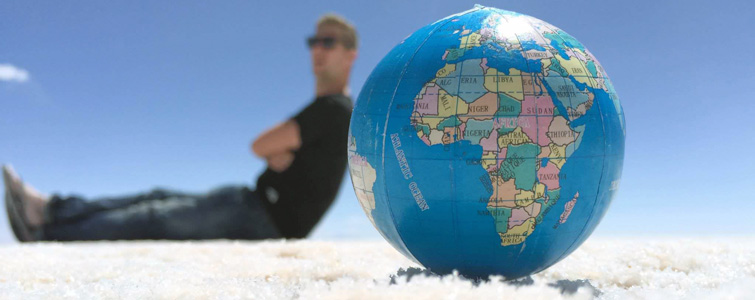







 As you know, blogging changed my life. I left Ireland broke, with no plan, with just a one-way ticket to Thailand
and no money. Since then, I started a blog, then a digital media company, I've made
more than $1,500,000 USD, bought 4 properties and visited (almost) every country in the world. And I did it all from my laptop as I
travel the world and live my dream. I talk about how I did it, and how you can do it too, in my COMPLETELY FREE
Ebook, all 20,000
words or so. Just finish the process by putting in your email below and I'll mail it right out to you immediately. No spam ever too, I promise!