


Why Europe’s Tourism Industry Keeps Growing
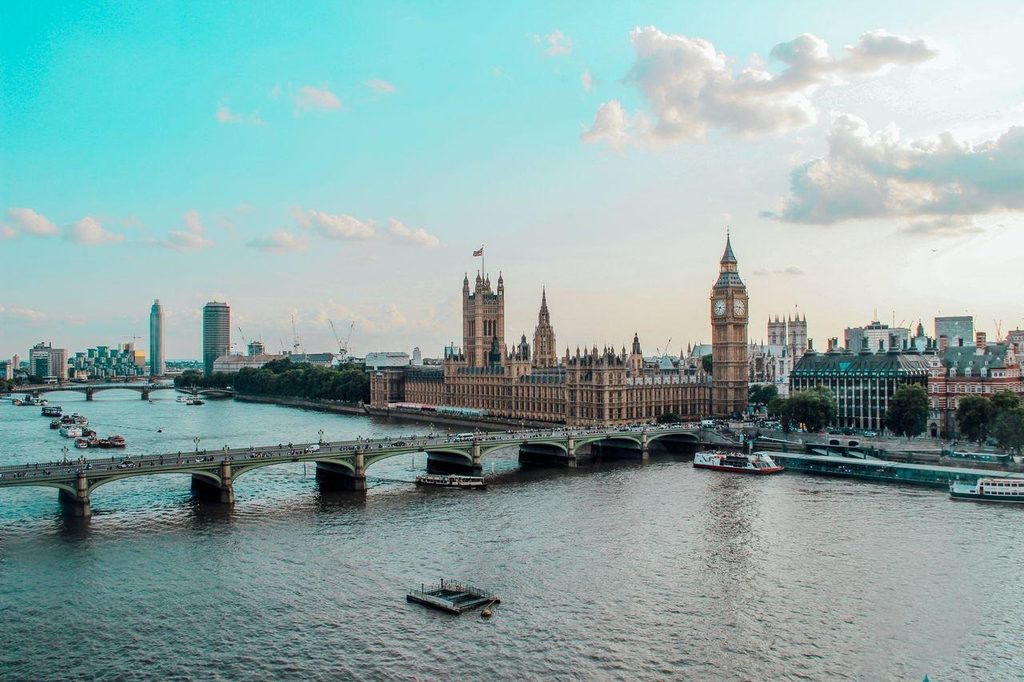
Europe has been attracting travellers for generations, yet its tourism industry is still finding room to expand. From easier transport links to changing holiday habits, several forces are helping destinations across the continent welcome more visitors and extend tourism beyond the traditional summer season.
Travel Has Become Easier and More Accessible
One of the simplest explanations for Europe’s tourism growth is that travelling around the continent has become remarkably convenient. A visitor can land in one country, spend a few days there and continue to another destination by plane, train, coach or car without turning the journey into a major logistical exercise.
Budget airlines have played an important part in this development. Routes that were once served mainly by traditional carriers are now joined by frequent low-cost connections, making weekend breaks and shorter holidays practical for a much wider group of travellers.
Package holiday companies also continue to connect European destinations with major source markets. The performance of travel businesses and even investor interest in tui shares, for example, can be viewed against this broader backdrop of sustained demand for European holidays.
Rail travel adds another dimension. High-speed services make it possible to combine cities such as Paris, Brussels, Amsterdam and Barcelona within a single trip, while improved regional connections open up destinations outside the best-known capitals.
Europe Offers an Unusually Wide Range of Experiences
Few regions can offer so many different types of holiday within relatively short distances. Someone looking for warm weather can head towards Spain, Greece, Portugal or southern Italy. Travellers interested in history might choose Rome, Athens or Prague, while those wanting mountains have the Alps, Pyrenees and numerous smaller ranges to explore.
The same variety applies to food, architecture, nightlife and outdoor activities. Even neighbouring countries can provide noticeably different experiences.
This gives Europe an important advantage: visitors have reasons to return. A traveller who spends one summer on a Greek island may come back the following year for a city break in Vienna or a driving holiday through northern Spain. Tourism growth therefore does not depend entirely on attracting people to Europe for the first time.
International Visitors Are Still Driving Demand
Recent figures show just how resilient that demand has become. Eurostat reported nearly 3.1 billion nights spent in EU tourist accommodation during 2025, an increase of 2.2% from the previous year. International guests were particularly important, with their overnight stays rising by 3.4%.
Europe also occupies an exceptionally strong position in global tourism spending. EU countries collectively received more than a quarter of worldwide international tourism receipts in 2023, illustrating the economic importance of the region as a destination.
Importantly, growth is not restricted to the established tourism giants. Countries including Malta and Poland recorded particularly strong increases in overnight stays during 2025. This suggests travellers are increasingly willing to consider destinations beyond Europe’s most famous cities and resorts.
Online Booking Has Changed Where People Stay
Another major shift has happened in accommodation. Travellers are no longer limited to traditional hotels, resorts and organised package holidays.
Holiday apartments, guest houses and short-term rentals have expanded the amount and variety of accommodation available. This can make smaller towns and residential areas practical places to stay, particularly for families or groups looking for more space.
Digital booking has also made comparison far easier. Travellers can check accommodation, transport and activities within minutes rather than relying on a travel agent to assemble the entire holiday.
The result is a tourism market that can respond more quickly to demand. When one destination becomes expensive or crowded, people can easily investigate alternatives nearby.
The Tourism Season Is Becoming Longer
For decades, European tourism was strongly associated with the summer months. July and August remain extremely important, particularly around the Mediterranean, but travel patterns are becoming more varied.
City breaks work throughout much of the year. Christmas markets attract winter visitors to Central and Northern Europe, while skiing supports mountain regions during colder months. Spring and autumn are increasingly appealing to travellers who want pleasant weather without peak-season crowds or prices.
Remote and flexible working have also blurred the boundary between work and holidays for some travellers. A person who can work from a laptop may be able to stay abroad for two or three weeks rather than squeezing everything into a seven-day break.
This helps tourism businesses generate income across a larger part of the calendar rather than depending almost entirely on a short peak season.
Growth Will Bring New Challenges
Europe’s tourism industry may continue expanding, but future growth cannot simply mean squeezing more people into the same places during the same months.
Extreme heat is already creating difficulties for some southern European destinations, potentially encouraging travellers to visit during cooler periods or choose regions further north. Popular cities are also having to balance visitor spending against the needs of residents.
That may ultimately change what tourism growth looks like. Instead of concentrating entirely on visitor numbers, destinations could focus more on longer stays, year-round travel and spreading tourists across wider areas.
Europe’s greatest strength is its variety. As transport, technology and traveller preferences continue to evolve, that variety gives the continent plenty of opportunities to keep its tourism industry growing while gradually changing where, when and how people travel.
Remember, never travel without travel insurance! And never overpay for travel insurance!
I use HeyMondo. You get INSTANT quotes. Super cheap, they actually pay out, AND they cover almost everywhere, where most insurance companies don't (even places like Central African Republic etc!). You can sign-up here. PS You even get 5% off if you use MY LINK! You can even sign up if you're already overseas and traveling, pretty cool.
Also, if you want to start a blog...I CAN HELP YOU!
Also, if you want to start a blog, and start to change your life, I'd love to help you! Email me on johnny@onestep4ward.com. In the meantime, check out my super easy blog post on how to start a travel blog in under 30 minutes, here! And if you just want to get cracking, use BlueHost at a discount, through me.
Also, (if you're like me, and awful with tech-stuff) email me and my team can get a blog up and running for you, designed and everything, for $699 - email johnny@onestep4ward.com to get started.
Do you work remotely? Are you a digital nomad/blogger etc? You need to be insured too.
I use SafetyWing for my digital nomad insurance. It covers me while I live overseas. It's just $10 a week, and it's amazing! No upfront fees, you just pay week by week, and you can sign up just for a week if you want, then switch it off and on whenever. You can read my review here, and you can sign-up here!









 As you know, blogging changed my life. I left Ireland broke, with no plan, with just a one-way ticket to Thailand
and no money. Since then, I started a blog, then a digital media company, I've made
more than $1,500,000 USD, bought 4 properties and visited (almost) every country in the world. And I did it all from my laptop as I
travel the world and live my dream. I talk about how I did it, and how you can do it too, in my COMPLETELY FREE
Ebook, all 20,000
words or so. Just finish the process by putting in your email below and I'll mail it right out to you immediately. No spam ever too, I promise!
As you know, blogging changed my life. I left Ireland broke, with no plan, with just a one-way ticket to Thailand
and no money. Since then, I started a blog, then a digital media company, I've made
more than $1,500,000 USD, bought 4 properties and visited (almost) every country in the world. And I did it all from my laptop as I
travel the world and live my dream. I talk about how I did it, and how you can do it too, in my COMPLETELY FREE
Ebook, all 20,000
words or so. Just finish the process by putting in your email below and I'll mail it right out to you immediately. No spam ever too, I promise!