

Cycling Portugal: A Guide to Bike Tours
Portugal might be the most underrated cycling country in Europe. It packs coastal roads, rolling vineyards, mountain climbs, and quiet medieval towns into a country you can ride across in a week. The weather helps too, with more than 300 days of sunshine a year in parts of the south.
Table of contents
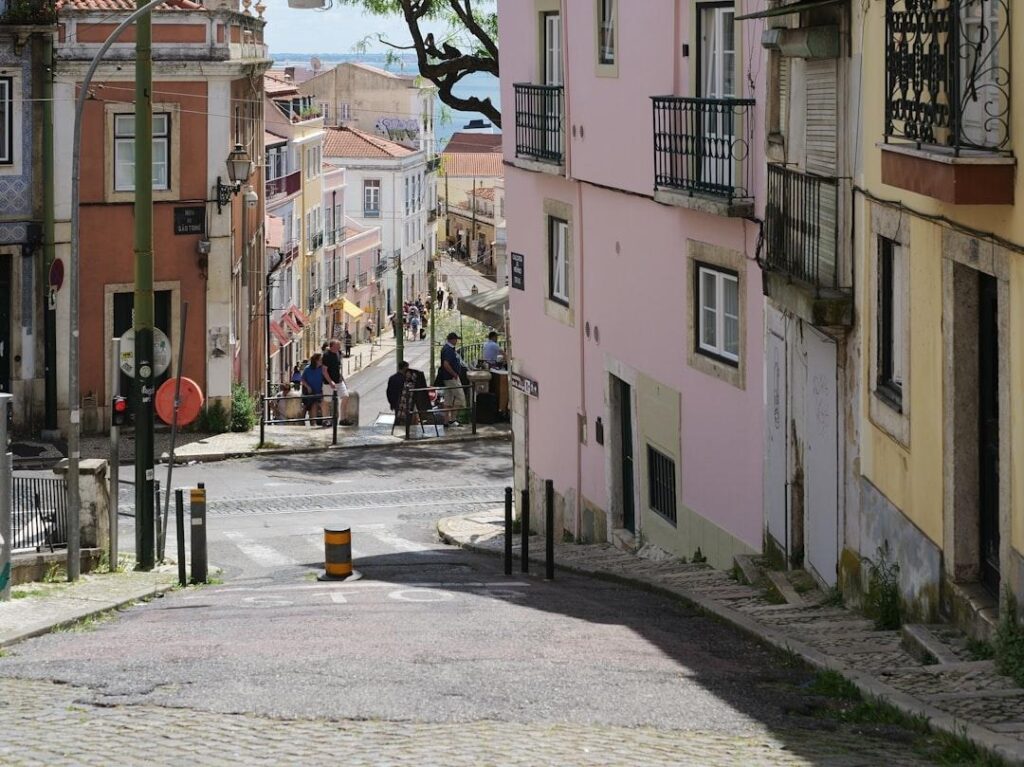
Photo by Dmitrii E. on Unsplash
Alt text: Group of cyclists on a cobbled street in a Portuguese town
The easiest way to enjoy all that is on an organized tour. A company such as Top Bike Tours Portugal handles the route, the bikes, and the luggage so you just pedal and look around. This guide covers where to ride, how to pick a tour, and what shape you need to be in before you go.
Why Is Portugal Made for Cycling?
A few things line up here that rarely come together. The result is a country that rewards riders of almost every level.
The roads are the first gift. Outside the big cities, traffic is light and drivers are used to cyclists. Distances are manageable, so you can link real destinations without a brutal day in the saddle. And the variety is remarkable for such a compact country, from flat coastal paths to serious Serra da Estrela climbs.
Then there is the payoff at each stop. Portugal holds dozens of World Heritage sites, and a bike lets you roll right into towns that a tour bus only glimpses. You arrive hungry, eat extraordinary food, and sleep well before the next ride.
What Are the Best Regions to Ride?
Each region offers a different trip. Knowing the character of each helps you match the route to the holiday you want.
A short tour of the standout areas:
- The Algarve, with warm coastal roads and gentle terrain for easier rides.
- The Douro Valley, all terraced vineyards and river views, with steeper climbs.
- Alentejo, wide, quiet, and rolling, dotted with whitewashed villages.
- The Centro region, home to mountain passes for riders chasing a challenge.
There is no single best choice. A first-timer might love the Algarve, while a seasoned climber heads for the Douro or the mountains. Many tours stitch two regions together for contrast.
Distances between regions are short by European standards. You can ride the Douro one week and reach the Algarve coast soon after without a long transfer. That compactness is part of what makes a multi-region trip realistic in a single holiday.
Guided or Self-Guided: Which Tour Suits You?
This is the big decision, and both options are excellent. It comes down to how much support you want day to day.
A guided tour gives you a leader, a group, and a support vehicle. Everything is handled, and the social side is a real draw. A self-guided tour gives you the same routes, bikes, and luggage transfers, but you ride at your own pace with a GPS file and notes. You trade company for freedom.
Budget plays a part too. Self-guided trips usually cost less, which suits riders watching the spend. Portugal already ranks among the cheapest countries to visit in the world, so a cycling holiday here stretches further than in most of Western Europe.
How Fit Do You Need to Be?
This is the question that stops people booking, and the honest answer is reassuring. You need less fitness than you think, especially with the right setup.
Two things change the game. First, most tours grade their routes, so you pick a daily distance that suits you, often between 30 and 60 kilometers. Second, electric bikes are widely available, flattening the hills for anyone unsure about climbs.
That said, a little preparation pays off. A few weeks of regular rides before you travel makes the trip far more fun. The health benefits of regular cycling are real, and a fitter rider enjoys the views more. You do not need to be an athlete, only willing to spend a few hours a day on a bike.
This is not an ultra-endurance event. Unlike the world’s hardest marathons, a cycling tour is paced for enjoyment, not suffering. Coffee stops and photo breaks are part of the plan.
Planning Your Portuguese Cycling Trip
A great cycling holiday in Portugal is mostly about matching the trip to yourself. Pick a region that fits your taste. Choose guided or self-guided based on how much support you want. Be honest about your fitness, and book an e-bike if the climbs worry you.
Do that and the rest takes care of itself. You will finish each day a little tired, a lot happier, and already planning where to ride next. Few countries make that promise as easily as Portugal does.
Frequently Asked Questions
When Is the Best Time to Cycle In Portugal?
Spring and autumn are ideal, roughly March to June and September to October. Temperatures are comfortable for riding and the crowds are thinner. Summer can be very hot, especially inland and in the Algarve, while winter is mild on the coast but wetter. Most tour operators run their main season in the shoulder months.
Do I Need to Bring My Own Bike?
Usually not. Reputable tour companies provide quality bikes sized to you, including road, hybrid, and electric options. This saves the hassle and cost of flying with your own. If you are particular about your setup, you can often bring your own pedals and saddle, or arrange a specific bike in advance.
Are Portugal’s Roads Safe for Cycling?
Generally, yes, particularly away from major cities. Rural roads carry light traffic and drivers are accustomed to cyclists. Tour routes are chosen to favor quiet roads and bike paths. As anywhere, you should wear a helmet, stay visible, and follow local rules, but Portugal is considered one of Europe’s friendlier countries to ride.
How Far Will I Cycle Each Day?
It depends on the tour grade you choose. Easier itineraries run around 30 to 40 kilometers a day, while challenging ones can exceed 80. Most tours let you select a level, and self-guided trips often offer shorter and longer route options for each day, so you can adjust based on how you feel.
Remember, never travel without travel insurance! And never overpay for travel insurance!
I use HeyMondo. You get INSTANT quotes. Super cheap, they actually pay out, AND they cover almost everywhere, where most insurance companies don't (even places like Central African Republic etc!). You can sign-up here. PS You even get 5% off if you use MY LINK! You can even sign up if you're already overseas and traveling, pretty cool.
Also, if you want to start a blog...I CAN HELP YOU!
Also, if you want to start a blog, and start to change your life, I'd love to help you! Email me on johnny@onestep4ward.com. In the meantime, check out my super easy blog post on how to start a travel blog in under 30 minutes, here! And if you just want to get cracking, use BlueHost at a discount, through me.
Also, (if you're like me, and awful with tech-stuff) email me and my team can get a blog up and running for you, designed and everything, for $699 - email johnny@onestep4ward.com to get started.
Do you work remotely? Are you a digital nomad/blogger etc? You need to be insured too.
I use SafetyWing for my digital nomad insurance. It covers me while I live overseas. It's just $10 a week, and it's amazing! No upfront fees, you just pay week by week, and you can sign up just for a week if you want, then switch it off and on whenever. You can read my review here, and you can sign-up here!



 As you know, blogging changed my life. I left Ireland broke, with no plan, with just a one-way ticket to Thailand
and no money. Since then, I started a blog, then a digital media company, I've made
more than $1,500,000 USD, bought 4 properties and visited (almost) every country in the world. And I did it all from my laptop as I
travel the world and live my dream. I talk about how I did it, and how you can do it too, in my COMPLETELY FREE
Ebook, all 20,000
words or so. Just finish the process by putting in your email below and I'll mail it right out to you immediately. No spam ever too, I promise!
As you know, blogging changed my life. I left Ireland broke, with no plan, with just a one-way ticket to Thailand
and no money. Since then, I started a blog, then a digital media company, I've made
more than $1,500,000 USD, bought 4 properties and visited (almost) every country in the world. And I did it all from my laptop as I
travel the world and live my dream. I talk about how I did it, and how you can do it too, in my COMPLETELY FREE
Ebook, all 20,000
words or so. Just finish the process by putting in your email below and I'll mail it right out to you immediately. No spam ever too, I promise!