
Subscribe by: Email / RSS

7 Reasons to Travel in Southeast Asia

Published by Johnny Ward on May 10, 2013

For many young graduates staring down that first time being out of school, their first idea is often either to search for that trademark 9-5 job or first hit the major spots in Europe. Checking off Paris, London, Rome and Barcelona from the list sounds pretty good, and Europe seems like a pretty “safe” journey to take. But I’m here to tell you that Southeast Asia is not only safe to travel, it’s an incredible, exotic adventure at a way lower price than a Europe backpacking trip.

So if you’d rather sit at home on the internet job-searching, head over to Glasses.com website to pick up some bifocals; you’re going to need them!  But if you’re ready for a real adventure in the “real world” here are 7 (of many more) reasons to pack your bags and head to Southeast Asia:

krabi


The value

Traveling on a budget is a huge factor for many travelers. You won’t believe how much you can get for so little in SE Asia; in fact, you may never want to leave. In Thailand, for example, a typical meal including pad thai and a smoothie would cost you about $1.50 followed by an hour-long massage for $5. Hostels generally run from $3-15 depending on what you’re looking for. You can get by for about $6-10 a day in most of Southeast Asia; compare that to Paris, where you might spend up to $75 per day, and SE Asia is looking pretty good!

The weather

No matter what time of year you decide to travel, you’re always going to need your shorts and swim gear in SE Asia. The region is tropical with 3 main seasons: wet, dry and hot. So as long as you don’t mind a bit of tropical downpour during that rainy season, you should be good to go. If you do travel during hot season, make sure to stay hydrated! But just make your way down to the beaches and you should be fine. Now you’re on your way to making all your friends at home jealous of your new suntan!


The friendly people

Maybe it’s the warm weather, but the people in Southeast Asia are known as some of the friendliest in the world. Thailand is known as the Land of Smiles, after all! You’ll be greeted by warm smiles and hospitality when you travel in SE Asia. Tip: if you learn some of the local language before you arrive, be prepared to make friends with the locals! They will love you for putting in the effort to speak with them in their language, and you’ll be rewarded with a memorable experience and maybe even lasting friendship.


The landscape

Southeast Asia has some of the most beautiful beaches and jungles in the world, so if you’re into outdoor adventures then look no further. Landlocked Laos is actually the only country in SE Asia without a gorgeous coastline. From the beaches of Malaysia and Indonesia to the jungles of northern Thailand, this is the place to revel in natural beauty. Try an elephant expedition, jungle ziplining or even bungie jumping for some truly unforgettable adventures.

thai-food


The food

Need we mention it? The food in SE Asia is flavorful, fresh, spicy, and mouthwateringly delicious! Not to mention cheaper than the price of a single bottle of water back home! You can eat like a king for pennies, whether it’s pho noodle soup in Vietnam or spicy khao soi curry in Thailand. Try the local specialties at street stalls, or just watch where the locals go eat. Wash down your meal with a cold mango and pineapple shake or freshly cracked coconut (the water inside is nature’s delicious electrolyte!)


The culture

Break out of your comfort zone and come explore a country with a culture exotic to your own. Much of SE Asia is Buddhist, so you will experience majestic temples, serene monks and a very peaceful air about the people. If you venture out into the mountains or jungles, you’ll see elephants just hanging out with some of the locals. Motorbikes zip around at breakneck pace, food markets display everything from chicken heads to cockroaches and the contrast between serene, spiritual waterfalls and random chaos of the city could not be more distinct. This is what makes SE Asia beautiful, and what will make it so unforgettable to visit.

There’s something for everyone

I mean it: whether you’re into checking out the cultural sights, going for a jungle adventure, laying on the beach with a foot massage or partying the night away, you’ll find it in SE Asia. And not only that, but you’ll meet plenty of other friendly backpackers on the traveling path as well. Swap traveling stories over a beer at the guest house, explore night markets, hilltop temples, elephant camps and coral reefs; the choice is yours! Southeast Asia awaits, so pack your bags and buy that ticket because there’s no way you’ll regret it!

Tags: , ,

3 of the Coolest Celebrations In Bhutan
Published by Johnny Ward on March 26, 2013

If you ever needed a reason to go anywhere, attending a festival is the perfect excuse. Bhutan is full of these kinds of excuses. The nation hosts celebrations year round celebrating their culture, diversity, and all things wonderful that are Bhutan. Being in Bhutan for one of their many celebrations is the perfect way to get a colorful and fun taste of the culture of the nation. With several high profile festivals it can be overwhelming to choose what festivals to go to. That’s what this post is for! We are highlighting five festivals that you should keep in mind when getting ready to book your trip to Bhutan.


images-89


The Sakteng Festival

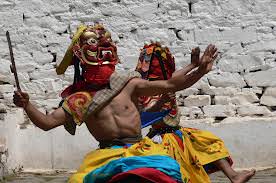
The Sakteng Festival is a great 3-day festival put on by the semi-nomadic Brokpas people. The Sakten valley, where the festival is located, is in eastern Bhutan next to Trashigang Dzongkhag. The Brokpas are about as untouched by the outside world as a group of people can get and the same goes for the Sakteng valley. This festival is a time for the people to celebrate and essentially, party. The festival, like many in Bhutan, is centered around worship. It also focuses on traditional clothing and lots of ara which is the local wine. The Brokpas people will also perform the Yak Dance and the Ache Lhamo dance. These two dances are specific to the Brokpas people and are different than the mask dances that take place during celebrations in the rest of Bhutan.

images-93

Dochula Druk Wangyel Festival

Starting in 2011, this is a brand new festival that will be held annually on December 13th at the Druk Lhakhang Festival Ground at Dochula Pass. The grounds are just 22km outside of the capital city of Thimphu. The festival was set up to honor His Majesty the Fourth Druk Gyalpo and the Armed Forces successful defeat of Indian insurgents in Southern Bhutan in 2003. This festival is a true example of Bhutanese cultural tradtions and it offers one of the most stunning views in the country. The grounds offer an incredible panoramic view of the Himalayan mountains.

images-91

The Black-Necked Crane Festival

Held every year in the courtyard of the Gangtey Gonpa, in Phobjikha, the Black-Neck Crane Festival holds two very important purposes. It raises awareness for the protection of the endangered Black-Neck Crane and it also brings to light the importance of having a strong link between economic welfare and sustainable living for the farming community. While they promote these causes, they also have an impressive showcase of their culture through dance, song, and dress. Many of these are inspired by the beautiful black-neck crane. The festival is every November to signify the incoming migration of the black-neck cranes.

images-94

Tags: , ,

When is the Best Time to Visit Bhutan

Published by Johnny Ward on March 26, 2013

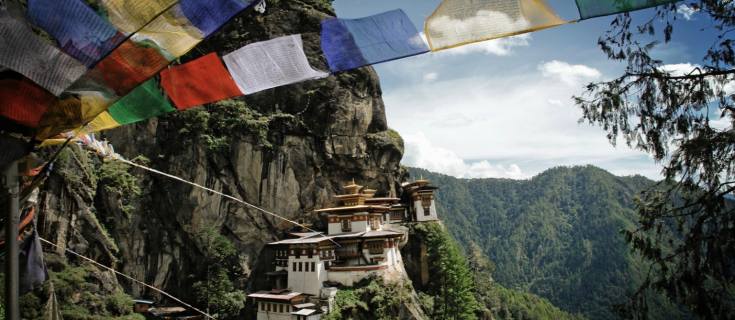
Bhutan is one of the most beautiful countries in Asia and possibly the world. It is just as mysterious as it is intriguing and can make for one of the most memorable holidays you could ever experience. But Bhutan, just like many other countries, is susceptible to weather and it is perfectly fine to ask the question; “When is the best time to visit?” In short the best time to visit is all the time. There isn’t a bad season to visit! It all depends on what you are looking for as the traveler. Below is everything you need to know about what the highlights are in Bhutan during each season.

Spring

This is one of the most popular times for travelers to make their way to Bhutan. During the months of March, April, and May the weather is near perfect and this is also when most of the nations flowers blossom. This explains why visitor traffic is so high during this time, but seeing the Jakaranda blossoms in their earliest days is nature’s beauty at its finest. In either late March or early April the Paro Tshechu festival takes place and this can be your chance,if you’re lucky, to meet the King of Bhutan. He generally attends the festival between the 3rd day and the last day. As most popular events are concerned, you should book way in advance. Plane tickets and places to stay generally fill up around January.

bhutan

Summer

Another good month for travel because its still quite warm in Bhutan during these months. The only issue that you may come across is that its monsoon season. Unless monsoon season comes at the end of June, you should be free and clear for the whole month. July is really when the rains fall. A good take away is that in Bhutan monsoon season is quite mild. This consists of light rainfall in the afternoon every few days. Personally I enjoy the rain, especially on a hot day. That coupled with a lower amount of visitor traffic compared to the spring, makes summer an optimal time for travel.

images-95

Fall

The fall is another popular time to visit because the temperature is more mild than spring and summer. There is also the annual Black-Necked Crane Festival which is held to raise awareness for the protection of the endangered black-neck crane. These lovely birds come to Bhutan in October and stay throughout the winter. The festival is lively with costumes, dances, and songs inspired by the black-neck crane. The birds populate the area of Phobjikha which is rich with farmland. During the fall, this farmland is transformed into a golden blanket as the farmers are just getting ready to harvest their rice crops.

Winter
This may be obvious, but the winter months are the coldest in Bhutan. Don’t let this scare you off! During the winter is when you can find some of the cheapest prices to visit Bhutan. Not only are prices cheaper than the fall, but there are not as many visitors and you can still see the black-cranes in their natural habitat. The snow season is generally pretty short as December is often free of snow and you should really only expect some from mid-January to early February.

black neck crane

There is something during all seasons in Bhutan. Each is unique and majestic in its own right. When going to Bhutan its a really good idea to go through a tour company. They become invaluable when it comes to navigating bureaucracies for visa fees, tariffs, and booking limited options for transportation. A great tour company to go through is Bhutan Life Exposure. Now you have no excuse to stay away from Bhutan, no matter what time of year!

Tags: ,

A Day Trip from Bratislava to Devin Castle
Published by Johnny Ward on March 10, 2013

Like I alluded to in my Bratislava blog, the city can only keep you occupied for so long (2 days maximum, unless you’re doing A LOT of drinking!). Luckily thought, there are some great day trips from Bratislava, with the most popular being to Devin Castle.

How to get from Bratislava to Devin Castle:

Devin Castle is less than 20km from Bratislava so it’s no problem at all to get to.

From the smaller bus station (the one under the bridge, on the side of the river) take bus 28 or 29, it goes all the way through the small town of Devin for less 1 euro.

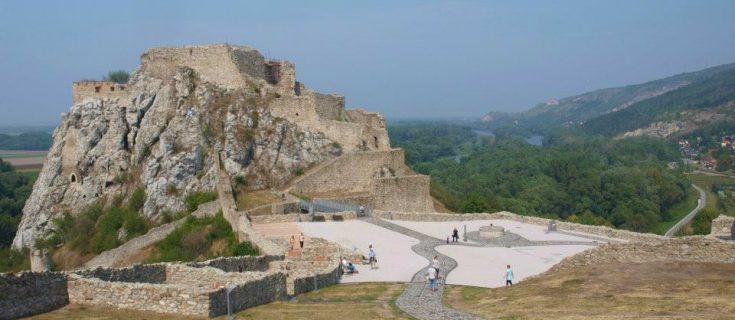
Don’t get off in Devin though, the castle is found on the far side of the town. Ask the bus driver, he’ll drop you at the right stop. Once you get out of the bus, you can see the castle immediately, sitting powerfully on top of a large hill. It’s about a 15 minute walk to the entrance.

The ticket to the castle is 3 euro/1.5 euro for students, once you pay you’re free to wander around the grounds to your heart’s content.

The castle is quite rundown, and they’re currently renovating sections of it, which is great for the future, but not so great if you’re here right now!

The real beauty of the day trip lies in the vast expanse of the landscape, you can see rolling hills, rivers, greenery for miles and miles, and to have this medieval castle sitting proudly in the middle of it all is quite beautiful. The castle offers amazing views of the region as you’d expect, and the museum inside gives a great insight into the history of castles and weaponry.


All in all, the trip to Devin only takes 3 or 4 hours maximum so you can do it in a morning or an afternoon. But it beats lingering on facebook in your hostel nursing a hangover from cheap eastern European beer, that’s for sure. Happy travels!

Tags: , , , , ,

5 Things to See in Bratislava, Slovakia
Published by Johnny Ward on March 08, 2013

My year long European tour is whizzing past in a heart beat, I’ve made it to Bratislava, Slovakia – the city where ‘Hostel’ the movie was set. Reassuring.

I didn’t really know what my preconceptions were about Bratislava but I’ve been in some cracking cities recently so it had a lot of pressure to continue the trend. I settled into my hostel, which in fairness, was a bit out of the city.

It was raining in Bratislava, the first time in months I had to contend with shitty weather, and I’m sure that has contributed to my ambivalent opinion about the place. The first evening I stayed in and project managed some of my online stuff, but I then ended up bumping into a few dudes from England and sinking a fair few beers (probably the number 1 activity in Bratislava to be honest). The next morning was hazy to say the least, but I managed to do some sightseeing both then and the next day. Over the course of my time there I discovered that one day is enough ‘to do’ Bratislava (God I hate that phrase, my apologies).

Anyways, when you’re here, make sure to check out the top 5 things to see in Bratislava:

1)   Bratislava Castle:

The castle dominates the city, it’s perched high above the rest of the skyline and is visible from most of the city. You can walk up pretty easily and it offers nice views of the Old Town. You can’t access most of the castle though, it’s been under renovation for years.

2)    Michael’s Gate and Tower:

Michael’s gate features in approximately 100% of postcards concerning Bratislava, this is their icon. It looks exactly as you’d expect a gate and tower to look like in Bratislava, with it’s run down paint work and medieval architecture, if you’re lucky you can get to the top and see the city centre from above.

3)    Man At Work Statue:

No visit here is complete without the quirky man at work statue, where he pops out of a man hole. Also, becoming another Bratislava institution is the mime artist who parks himself beside the statue, the looks on his face are hilarious!

4)    Town Hall and Square:

The cultural centre of the city is really quanity, cobblied stones, local markets, traditional singers. Try to come down on a Saturday or Sunday to see it in full flow.

5)     Monument on the Hill

This gives Bratislava a much more eastern European feel, and a hark back to its Communist Czechoslovakian history. The monument overlooks the city from behind, you can take a leisurely 30 minute walk up to it from the city and begin to appreciate the sheer size of it when you’re there. Also, great views of the castle from here too.

I ended up spending 3 nights here, and it was a quaint little city. I managed to catch up on some work which helped a lot, but if I was here for traveling alone, 2 nights, one day would probably be enough. It doesn’t reach the heights of it’s nearby counterparts (Budapest, Ljubljana, Vienna, Prague), I’d go as far to say that if you’re on a tight time budget, this would be the one to cut out. If you have more free time tho, by all means come and check it out. There are some great day trips to castles which are easily accessbile from Bratislava so 3 or 4 days are easily filled. Happy travels!

Tags: , , , , ,

Backpacking in Venice

Published by Johnny Ward on March 02, 2013

Here’s one to blow your budget! The canals of Venice are one of the world’s most famous attractions, up there with the Pyramids, the Taj and London Bridge, but boy do the locals know it.

I was never going to miss out on a couple of days in Venice, but I made sure I kept it to just a couple and to be honest, 2 days is enough to see the city.

Putting the backpacker budget to one side for a second, as soon as you arrive in Venice, it’s everything you hoped it would be. It looks like some sort of elaborate theme park, designed only to be beautiful, with all practicalities thrown out the window. This is a city with literally no cars, the only mode of transport is by boat, and the canals weave through the colourful buildings 24 hours a day.

As soon as you arrive, you leave the train station and immediately you’re greeted with a beautiful canal, flanked by two churches. Honestly, it was one of the most impressive first sights I’ve ever come across in all my travels. Fulfilling, and exceeding, all my expectations.

3 minutes later you’re reminded that the locals are well aware of your appreciation. 7 euro for the cheapest bus (boat) to your area of the city, it takes about 10 mins. Oh sh*t, this is gonna be an expensive few days.

The hostels aren’t great quality and they cost 30 euro ($38) per dorm bed, probably the most expensive dorm I’ve paid for outside Scandanavia. But I’m not here to spend time in the hostel, or to party, I’m here to see the old city in full flight, and it really is spectacular.

In terms of sights, there are a few must sees and dos that blew my mind, they are:

Ride a gondola:

The quintessential tourist attraction and the most overpriced. A ride on a gondala is about 30 euro per person ($38) or 40 euro ($50) if you want to be serenaded too! The trip lasts about 40 minutes. Alternatively, you can take a 3 minute gondala ride to cross the canals, it’s the same effect, gives you a photo opp and only costs 2 euro ($3) per person!

Piazza San Marco:

The main tourist sight in Venice. The Basilica Di San Marco is a beautiful church, huge and domineering. It’s free to enter but if you want to access the top floor, it’s about $3, well worth it. Get there early or you could be facing a 1hour+ queue!

Hit the original ‘Venice beach’ at The Lido:

Hugely popular beach and home to the Venice film festival, the Lido is only 15 minutes from Venice proper (by boat of course). Summer time, arrive early or you’ll have no spot left on the beach, this place gets packed!

Murano Island

It’s nice to get away from the main tourist drag and Murano does just the trick. It costs 14 euro return trip to get here, but if you got the boat pass (22 euro for 3 days) then it’s worth coming here to get your money’s worth! The architecture is cool, the vibe is relaxed and it’s a nice place to wander around for an hour or two.

Chiesa di Santa Maria della Salute:

The church is beautiful, but it’s a really nice walk from Piazza San Marco to here, it takes about 30 minutes and the views are great. Grab yourself a tourist map and do your worst.­­

NOTE: Venice Mestre is not Venice as we know it, it’s outside the canal-ridden Venice of your dreams, so don’t stay there!

ANOTHER NOTE: The boat/buses cost 7 euro a pop, under 26’s get a pass for 22euro which gives unlimited usage for 3 days. I got one, and it was worth it because you can go to Murano and back on it. If you don’t plan to go to the island, or if you’re only there for one day, don’t bother J

Tags: , , , , ,

24 Hours in Vienna

Published by Johnny Ward on February 28, 2013

I like to travel quite slowly, and I hate being rushed for anything BUT sometimes circumstances are out of our control and we have to travel fast. My mum is meeting me in Prague, Czech Republic next week so I have to rattle through Austria to Slovakia and then on to Prague to meet her as she arrives.

With that being the case then, I only had 2 nights in Vienna. To be honest though, I was expecting it to be quite a dull city, full of museums and old tourists, over priced and under delivered, and how wrong I was.

Vienna is funky, young, jam packed with great sights. The atmosphere is so friendly, people are great and they have an awesome bar scene. It’s not cheap, but in comparison to its Swiss brother, your euros go a lot, lot further.

Anyways, here’s my rough itinerary of my time in Vienna, so if you wanna how to spend a day in Vienna, here are my tips:

MORNING:

No crazy early wake up, but try to be out of the hostel by 9 or 10. Head down to Vienna’s UNESCO world heritage site old town and wander around the most beautiful section of the city.

You’ll easy spend an hour or two getting lost, grabbing some brekky at a local bakery and stopping for coffee. Be sure to check out the Pestsaule monument, a tribute to the 75,000 sufferers of black death. And if you’re an art lover, pay the extortionate 10 euro into the Albertina museum where you’ll see pieces by Picasso, Rembrand, Michelangelo amongst a lot, lot more.

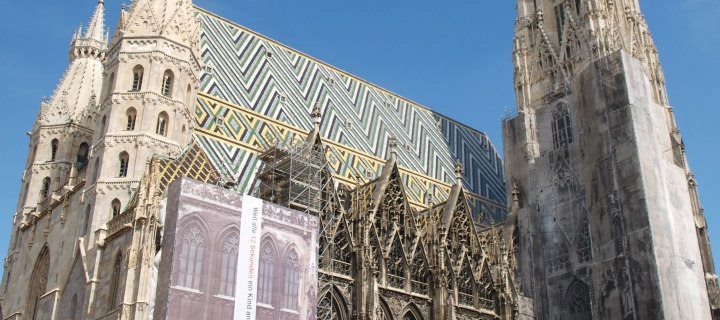
When it starts getting near lunch time earn your food by checking out Stephansdom Cathedral. The cathedral is free to enter and walk around, quite nice. But the coolest thing is to go outside and climb the 343 steps to the top of the south tower (3.50 euro/$5), great views of the city.

AFTERNOON:

Lunch time so walk over to the museum quarter, whether you like museums or not, this place is awesome. Inside the courtyard will be buzzing with 15 restaurants/cafes where you can pick up some delicious lunch. Weiner Schnitzel is the local speciality but it will be more than 10 Euro, well worth it though.


The architecture around the Museum quarter is great, huge old buildings and a real contemporary atmosphere, really funky. There are lots of museums dotted around, personally I skipped those.

Now on foot head over to the Hofburg Imperial Palace, the icon for Austrian heritage. The buildings are impressive, but if you’re prepared to part with the 10 euro, the opulent buildings inside are something else.

From here you can waltz over to both Parliament and Rathaus, two very impressive buildings just 10 minutes walk away.

It should be around 3pm now so time for the Summer Palace (and its hedge labyrinth). Schloss Schonbrunn is another UNESCO world heritage site, the grounds are massive and full of things to see.

295979_10151124525431740_1470370713_n

The palace has more than 1400 rooms and if you ever wondered what true wealth was, you’re looking at it right here. The grounds offer great views of the city if you can face the steep walk, also in the grounds is the world’s oldest zoo (about 15 euro) and even cooler, a fully functional hedge labyrinth (3.50 euro/$5). I paid my money happily, I’ve always wanted to do that! I thought I’d be much to smart for a stupid maze, how wrong I was as I got ridiculously lost, going round in circles, much to the amusement of the people who had finished, the finishing point is on a platform where you can watch others struggle around. Brilliant fun, and a real highlight in my opinion.

EVENING:

As early evening kicks in, head over to Naschmarkt where you might still catch some stall open. If not, the place turns into a makeshift bar area where you can get food and drinks for countless cafes, the atmosphere is lively everyday.

By that time you’ll be ready for bed, this is a perfect way to see Vienna, sure I wish I had longer but I have to cut my coat according to my cloth, and I think I cut it just right here. Happy travels!

Tags: , , , , , , , ,

Visiting Lake Balaton in Hungary; backpacking in Revfulop
Published by Johnny Ward on February 26, 2013

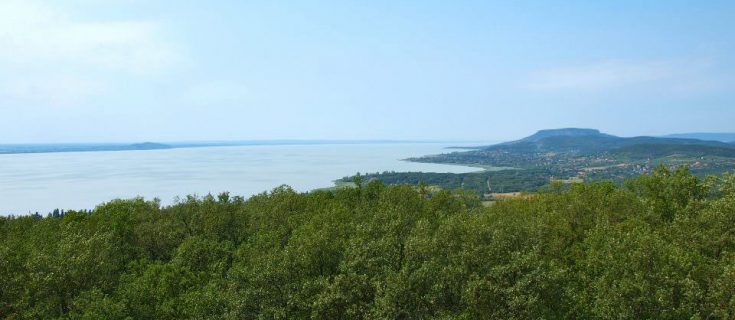
Lake Balaton is Europe’s biggest fresh water lake, and the only lake in Europe you can see from the moon (impress your gf with that knowledge boys!). It’s only a 2 or 3 hour train ride from Budapest, so naturally it gets pretty popular in the summer time.

Most people flock to Siofok, home to Balaton Sound (a huge music festival held once a year here). Siofok is a bit of a tourist trap though, be warned. If you dream of sitting my a chilled lake, listening to Ed Sheeran on your iphone, soaking up some Hungarian culture, Siofok is not the place to be. It’s a party town, the self styled ‘Ibiza of Hungary’, the constant boozing in Europe was getting a bit old to be honest, so I stayed clear and went else where. Somewhere, in my opinion, much better.

The south coast of Lake Balaton all mirrors Siofok, clubs, bars, pub crawls, 20 year old Brits and Aussies – anyone who has traveled in Europe will know exactly what I mean! The north coast of the lake is a whole different ball game, and much cooler for it.

I went to Revfulop, a 3 hour train journey from Budapest ($24 return). The town is quite small but it still has an influx of travelers. They have a popular hostel there too, one of the few on the northern side of the lake (Hullum hostel) and I’d recommend staying there for sure.

In terms of things to do here, you won’t be packing your days with sightseeing, but there’s something beautiful about that. Traveling around Europe, city to city, it’s church after church, here it’s time to sit back and smell the roses.

You can climb the hill behind Revfulop town and climb the tower, offering awesome views of the lake and neighborough villages. You can wander around the quaint town, drink $1.50 beers, $3 bottles of wine and eat goulash to your hearts content.

The lake is constantly there, shimmering at you, beckoning you in too. The water is chilly, which is beautiful when the heat starts to stifle. I was in Revfulop for 2 and a half days and it was just the respite I needed away from the city, so back I went. I have a flight to Israel to catch, but I’m certainly sad to leave Revfulop, and Hungary, behind. Happy travels!

Tags: , , , ,

Top 5 Destinations For Backpackers

Published by Johnny Ward on April 26, 2012

Backpacking is an extremely popular form of travel. The idea of heading off round the world with just a rucksack has attracted millions of people over the years. Some backpacking destinations are perennial favourites, while other places are just opening up.

life is backpacking

It is difficult to identify the definitive best places as everyone has different tastes but there are some destinations which tend to always feature. Wherever you go on your backpacking journey, though, it is essential you take out travel insurance to cover against illness, accidents, theft or other possible problems.

Let’s take a look at 5 of the destinations which consistently top the list when it comes to the backpackers’ itinerary:


India


India is probably the spiritual home of backpacking and it is easy to see why this huge country is so popular among backpackers. Visitors tend to love India or hate it. The noise, the pollution, the dirt and the crowds can be utterly overwhelming at times. However, thanks to its lovely beaches, peaceful hill stations, vast tea plantations, amazing architecture and access to the Himalayas, India’s positives far outweigh its negatives.


Another great advantage of India for backpacker’s is the cheapness of its transport, food and accommodation. It is also a well-trodden route, so there will always be other travellers willing to give advice and recommend some of the wonderful places that the country has to offer. The fact that India is well known doesn’t mean you should be complacent however and travel insurance will provide you with protection from the various issues you might encounter.


South East Asia


South East Asia is another part of the world that provides some wonderful experiences for backpackers. Thailand, Vietnam, Cambodia and Laos in particular are all firmly on the backpacking trail. Thailand has a great infrastructure for travellers along with its famed beaches and tourist sights. Money also goes a long way here, which is part of its attraction.


From Thailand, many visitors then head to Vietnam, Cambodia and Laos. All of these countries are easily accessible and attract many other backpackers who are drawn to their historical sites, beaches and fascinating cultures. One of the unmissable highlights is Angkor Wat in Cambodia.


South America


Many backpackers are also drawn to South America, with Peru a particular favourite thanks to Machu Picchu and other Inca sites. Bolivia is also growing in popularity thanks to its stunning scenery, lovely old towns and its cheapness. Travelling around Bolivia can be relatively expensive but this is offset by the very reasonable cost of almost everything else.


Australia and New Zealand


Although they are not quite as cheap as some of the other destinations, Australia and New Zealand both offer great scenery, laid-back lifestyles and good backpacking facilities in terms of reasonably priced travel and accommodation. Both countries are huge and backpackers can enjoy a fantastic diversity of stunning natural scenery and some lively towns and cities.


Europe


Finally, Europe is being rediscovered by backpackers. Eastern European countries have opened up and this has really given visitors a great opportunity to discover some amazing places. Poland is very popular thanks to its relative cheapness as well as its wonderful medieval cities and national parks.


Georgia is another hidden gem. It is small but amazingly beautiful and has cities dating back to the 5th century, making it well worth a visit. And, surprisingly perhaps, Ireland is another spot that is drawing more and more backpackers. Its unspoilt countryside and friendly people make it hard to beat.


Tags:

How much does it cost to travel in China?

Published by Johnny Ward on April 07, 2012

This is my 5th time in China and once again I’m loving every second. Hopefully you guys are seeing another side to this massive country, different to the one the western media try to propagate (big factories, communist government, stifled people etc).


I thought I’d give an idea about how much it costs to travel in China on a daily basis, and from there calculate an approximate monthly budget that you can feasibly stick to:


Accommodation:

China is home to the best hostels in the world, I’ll be sad to leave them behind. Most places with any tourist attractions will have a plethora of hostels to stay in, generally speaking a dorm bed costs around 25-50 RMB ($4-$8), with private twin/doubles costing around 100 RMB ($15).

If there are no hostels (rare), you can always stay in a chain hotel like Super 8 or 7 Days Inn for around 140 RMB ($20) for a twin room.

Average daily spend on accommodation: 40 RMB ($8)

best hostel in the world

Chinese hostels are the best in the world!

Food:

Chinese food isn’t quite what we get fed in the west, and it’s certainly not the same prices! A meal on the street runs around 8RMB ($1.30). A meal in a locals restaurant will cost around 15-30RMB ($2.50-$5). Obviously if you wanna eat western food or high end dining, you can pay a fortune but that’s not for backpackers, so steer clear!

Average daily spend for 2 or 3 meals: 30 RMB ($5)

chinese street food

Chinese street food is so cheap, portion of dumplings? $0.80!

Sights and activities:

This is where things can get a little pricey. The Chinese have a lot of very awesome things to see, and they don’t half know it. An amazing national park or a famous sight can cost around 200RMB ($30) for a ticket, but naturally that’s not an everyday event. If you can squeeze a couple of these a week in, you’ll be doing well.

Smaller temples, activities and sights etc and much more reasonable priced and cost around 10RMB ( $1.60).

Average daily spend for sights*: 70RMB ($11)

Calculated at 2 major sights per week, plus a minor sight per day 

The Summer Palace

The Summer Palace, Beijing

Transport:

China is a huge country but the transport links are good, and if you’re willing to rough it, they can be quite cheap. A 10 hour bus will run around 65 RMB ($10), whereas a 10 hour train will run at 50RMB ($8) for a hard seat or 120RMB ($20) for a hard sleeper. So if you’re tightening your budget, use a train and take the seat!

Local transport within a city or area costs 2RMB ($0.30) per subway ride, or 1RMB ($0.15) per bus ride. Once you get your head around the transport system, it can work out very cheap indeed.

Average daily spend on transport*: 25RMB ($4)

Calculated at a 10 hour bus every other day

trains in china

Train from Beijing to Harbin

TOTAL DAILY BUDGET FOR CHINA: $28 per day + $5 wiggle room


So for around $900 per month you can take China by storm. Remember, if you wanna stick to a budget like this you always have to consider what you’re buying, is the extra comfort worth the extra money? Should you eat on the street? Do you wanna hold a panda for an extra $200? China is still a cheap country to travel in, so get here soon before they take over the world. Happy travels!

Related Posts Plugin for WordPress, Blogger...

Tags: , ,